-
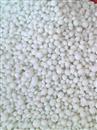
Application methods of potassium sulfate compound fertilizer on crops
How is potassium sulfate compound fertilizer applied to crops? Please give an introduction. The following introduces the methods of applying potassium sulfate compound fertilizer to several crops: Cucumber: generally, for a high-yield cucumber field, apply 5000 kg of high-quality organic fertilizer and 50 kg of potassium sulfate compound fertilizer per mu as base fertilizer. The principle for topdressing is small amounts applied multiple times, with a total topdressing amount of about 50 kg. Topdressing should be applied by flushing with water, once every half a month, with urea and potassium sulfate compound fertilizer used alternately, 10-15 kg per mu each time.
-
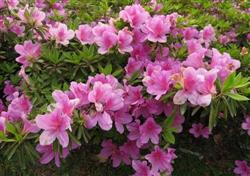
What fertilizer is best for azaleas? Fertilizer selection and application methods
What fertilizer is best for azaleas? Please give guidance. Azaleas are fertilizer-loving plants. In addition to the main nutrients nitrogen, phosphorus and potassium, they also need trace elements such as boron, copper, molybdenum and zinc. For azaleas, fertilizers with mild strength and long-lasting effect are suitable. For home azalea growing, ox horn, ram horn and animal hoof pieces can be used; these fertilizers contain 12%-15% nitrogen and 0.2%-8% phosphorus, and also contain a small amount of potassium and trace elements. Thin hoof pieces take effect 1 month after application, while thick hoof and horn pieces show fertilizer effect after 2 months, and the fertility can last 6-8 months. When using them, they can be buried at the edge or bottom of the pot along with repotting or changing pots. Cake fertilizer is also a relatively complete fertilizer in terms of nutrition. The nutrients in cake fertilizer generally contain 2.1%-7.6% nitrogen, 0.54%-3.3% phosphorus and 0.5%-2.7% potassium. Generally speaking, soybean cake and peanut cake contain more nitrogen, while rapeseed cake and cottonseed cake contain more phosphorus. They must be fully fermented before application. Fertilizer made by composting livestock manure and tree leaves can be mixed into the growing medium when repotting.
-
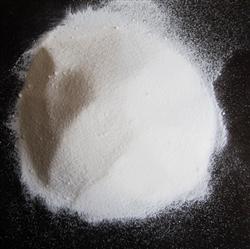
Is potassium nitrate fertilizer good? Analysis of pros, cons and application results
Is potassium nitrate fertilizer good? How should potassium nitrate fertilizer be used for good results? What should be noted when buying potassium nitrate fertilizer? Please explain: potassium nitrate fertilizer is a two-element fertilizer of nitrogen and potassium, available in white powder and granular forms, easily soluble in water, and is one of the high-concentration compound fertilizer types mainly containing potassium. Potassium nitrate usually exists as granules, with a white appearance...
-

How are herbicides used in rice paddies? A detailed guide to application methods
How are herbicides used in rice paddies? What should you do if herbicide damage occurs? We hope experienced readers can help share their knowledge. Zhongdi Network has compiled the methods for applying herbicides in rice paddies and how to identify and remedy herbicide damage. These are listed below for readers' reference. Methods for using herbicides in rice paddies: The common...
-
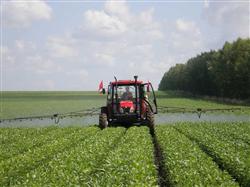
Characteristics and Application Methods of Water-Soluble Fertilizers Explained in Detail
The "7 major issues" to watch out for when applying foliar fertilizers: Issue one, the spraying concentration must be appropriate. The spraying concentration of foliar fertilizer directly affects the result; if too high, it easily burns crop leaves; if too low, it not only increases the workload but also fails to achieve the spraying effect, so during spraying it must be based on the crop...
-
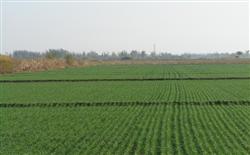
Pay attention when irrigating and fertilizing farmland: these four types of fertilizer are not suitable for application with water
The application method of fertilizing with water is also called "fertilizing with irrigation water". It is generally a topdressing method that provides supplementary nutrients during the period of rapid crop growth. Since it is supplementary fertilization, it cannot replace main fertilization methods such as base fertilizer. However, because this method is both convenient and quick-acting, it is widely used on vegetable land and on irrigated land where cash crops and special edible crops are grown...
-
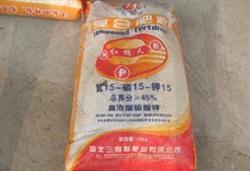
A Detailed Guide to Boron Fertilizer: Functions and Application Methods
As the saying goes: "A person who delays the land for a moment, the land delays the person for a year." Once farmers buy and use fake or inferior chemical fertilizers, the losses caused are hard to make up for, which both dampens farmers' enthusiasm and harms their interests. Below is an introduction to the common methods for identifying genuine and fake fertilizers: visual inspection - first look at the fertilizer packaging,...
-
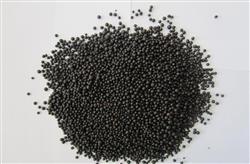
The role and application methods of amino acid organic fertilizer
Amino acid organic fertilizer was recently successfully developed in Yishui. This organic fertilizer is made from cake fertilizer (soybean meal, rapeseed meal, etc.), green manure and other raw materials containing plant protein, produced using a national invention patent method (0010794, 5), as a pollution-free, hormone-free, residue-free, fully organic, high-efficiency green agrochemical new...
-
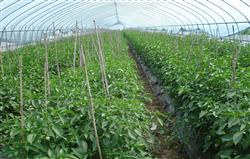
Application Methods and Technical Key Points of High-Efficiency Organic Fertilizer
I. How to Apply High-Efficiency Organic Fertilizer to Vegetables 1. Application Rate: According to the nutrient requirements of various vegetable crops, apply 60-100 kg per mu as base fertilizer for each crop of vegetables. Baosheng High-Efficiency Organic Fertilizer is mild in nature, and applying more is unlikely to cause fertilizer burn; for vegetables, melons and fruits with high economic value or high yield, the application rate may be increased by 20-50%. Baosheng...
-
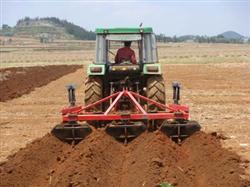
Organic fertilizer application requires careful attention; the same fertilizer can produce very different results
Frost's Descent (Shuangjiang) brings the breath of early winter. Frost's Descent falls in the transition period between autumn and winter; as it arrives, the weather fluctuates considerably, gradually turning colder and frost beginning to form. On the land north of the Yellow River, grass and tree leaves turn yellow and fall, and hibernating insects lower their heads in their burrows and enter a state of dormancy; while in the middle and lower reaches of the Yangtze River and beyond...
条件筛选