-
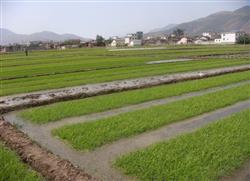
Foliar fertilizer application must be tailored to the specific problem
The effectiveness of phosphate fertilizer application depends both on the total amount of available phosphorus in the soil and on the soil properties; for example, some soils can promote the dissolution of sparingly soluble phosphates, while other soils can cause the fixation of soluble phosphates. Generally, after phosphate fertilizer is applied to the soil, it quickly combines with iron, calcium and aluminum in the soil...
-
How to choose insecticide application timing and spraying site
1. Chlorpyrifos is prone to causing phytotoxicity when used during the melon seedling stage, and its use should also be avoided during the flowering period of some crops. 2. Pesticides containing triazophos are not suitable for use on fruit cane, as they easily cause phytotoxicity. 3. Because phoxim decomposes readily when exposed to light, its use should be avoided during the watermelon growing period and the seedling stage of radishes and leafy vegetables (even during the growing period...
-
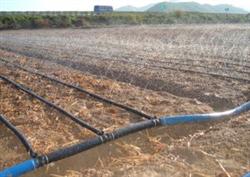
Correct Application Methods for Water-Soluble Fertilizers
Water-soluble fertilizer (WSF) is a multi-element compound fertilizer that dissolves completely in water. It dissolves rapidly in water, is more easily absorbed by crops, and has a relatively high absorption and utilization rate. More importantly, it can be applied in facility agriculture such as spraying and drip irrigation, achieving...
-
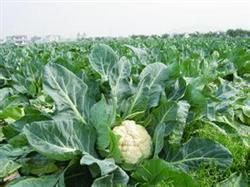
Reasonable Application Methods for Water-Soluble Fertilizers
Plants need to absorb various nutrients for growth and development. However, what determines crop yield is the nutrient factor present in the smallest relative amount in the soil, and yield also changes relatively within a certain limit as this factor increases or decreases. This is usually explained using a water-filled wooden bucket. The bucket is made of staves representing different nutrient contents and factors...
-
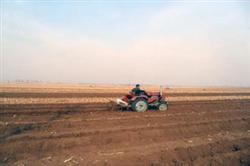
The Benefits of Deep Fertilizer Application and the Correct Application Methods
In recent years, production practice has proven that deep fertilizer application is a technical measure for improving fertilizer efficiency, reducing costs and increasing yields. I. Main forms of deep fertilizer application technology 1.1 Deep application of base fertilizer Use a fertilizing and soil-preparation machine, or add a fertilizer box and fertilizer-discharging device to a moldboard plow or paddy field tillage machine, so that while turning the soil it applies...
-
What are the precautions for combined fertilizer application
The solution made by soaking onion skins not only contains a substance that can kill pathogenic microorganisms in the soil, but also contains a variety of trace elements, and can be used as fertilizer for crops. 1. When growing flowers indoors, if the onion skin soaking solution is used as fertilizer, the flower branches grow luxuriantly and the flowers are more brightly colored. 2. Yellowing and withering cucumber seedlings are especially suitable for onion...
-

Bt insecticide application techniques matter; mastering the method is key
Ethephon is an organophosphorus broad-spectrum low-toxicity plant growth regulator that promotes ripening. It can enter the plant through leaves, bark, fruit, and seeds, then be transported to the sites where it acts, releasing ethylene. It can promote fruit ripening and coloring, promote the abscission of leaves and fruit, dwarf plants, and change the ratio of female to male flowers...
-
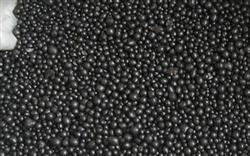
Do organic fertilizers need to be composted before application?
The composting of organic fertilizers occurs through the activity of microorganisms, causing two kinds of changes in the organic fertilizer. On one hand, the organic matter decomposes, increasing the available nutrients in the fertilizer; on the other hand, the organic matter in the fertilizer changes from hard to soft, its texture changes from uneven to uniform, and during composting most weed seeds, pathogens and insect eggs...
-
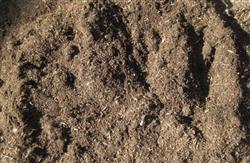
The hidden dangers of improper organic fertilizer application cannot be ignored
Compost is a widely used organic fertilizer in rural China, made by piling up various organic wastes such as straw, fallen leaves, wild grass, aquatic plants, green manure, peat, garbage, river mud, and human and livestock manure. It is divided into two types: ordinary compost and high-temperature compost. 1. Methods of making compost. 1. Ordinary compost:...
-
The application of organic fertilizer should be done in moderation; more is not always better
Biological organic compound fertilizers, which combine organic fertilizers with inorganic fertilizers and come with various microorganisms or high-energy compounds, have been launched on the market and are very popular among farmers, with fairly obvious effects. First, they can improve the physical and chemical properties of the soil, enhance water and fertilizer retention performance, and increase the ability to supply fertilizer continuously; second, they can significantly inhibit cotton, melon...
条件筛选