Do organic fertilizers need to be composted before application?
The composting of organic fertilizers occurs through the activity of microorganisms, causing two kinds of changes in the organic fertilizer. On one hand, the organic matter decomposes, increasing the available nutrients in the fertilizer; on the other hand, the organic matter in the fertilizer changes from hard to soft, its texture changes from uneven to uniform, and during composting most weed seeds, pathogens and insect eggs...
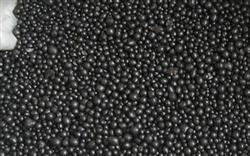
The composting of organic fertilizers occurs through the activity of microorganisms, causing two kinds of changes in the organic fertilizer. On one hand, the organic matter decomposes, increasing the available nutrients in the fertilizer; on the other hand, the organic matter in the fertilizer changes from hard to soft, its texture changes from uneven to uniform, and during composting most weed seeds, pathogens and insect eggs are killed, so that it better meets the requirements of agricultural production.
Organic fertilizers rich in organic matter have nutrients that are mostly in slow-release forms, which crops cannot directly absorb and use. If uncomposted organic fertilizer is applied to the soil, it often decomposes slowly, so not only is the fertilizer effect poor in that season, but it also breeds weeds and spreads pathogens and insect eggs.
Therefore, in agricultural production, farmyard manure is often piled up to compost before application. Composting can also release nutrients from farmyard manure, improve fertilizer efficiency, and avoid certain factors unfavorable to crops when the fertilizer decomposes in the soil, such as competing with seedlings for water and nutrients, or causing seedling burn due to locally high temperatures or excessively high ammonia concentration. Therefore, only composted organic fertilizer has a significant effect on improving soil properties.