The hidden dangers of improper organic fertilizer application cannot be ignored
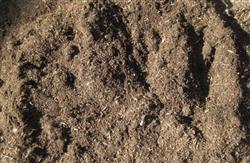
Compost is a widely used organic fertilizer in rural China, made by piling up various organic wastes such as straw, fallen leaves, wild grass, aquatic plants, green manure, peat, garbage, river mud, and human and livestock manure. It is divided into two types: ordinary compost and high-temperature compost. 1. Methods of making compost. 1. Ordinary compost:...
 The commonly held view is that organic fertilizers are safe. In their organic farming practices, some developed countries advocate applying organic fertilizers while rejecting chemical fertilizers. In China's green food fertilizer standards, it is also stipulated that only organic fertilizers and microbial fertilizers may be applied.
So-called organic fertilizer refers to the various fertilizers that farmers obtain locally and accumulate and make themselves, also known as "farmyard manure." Organic fertilizer is made by accumulating animal and plant materials rich in organic matter. In addition to containing the nitrogen, phosphorus, and potassium essential to plants, it also contains other nutrients, so it is also called a complete fertilizer. Commonly used animal-based fertilizers include human and livestock manure, barnyard manure, poultry manure, livestock hooves and horns, fish scraps, and bone meal; plant-based fertilizers include oilseed cakes, green manure, soybean cakes, sauce residue, rice bran, compost, pond mud, and peat. Organic fertilizer must be fully decomposed before application, otherwise it is harmful to crops.
It is generally believed that applying large amounts of organic fertilizer can improve the soil, making sandy soil fertile and clay soil loose and easy to plow. In addition, it can also coordinate the ratio of air to moisture in the soil, thereby benefiting the growth of crop roots and their absorption of water and nutrients.
However, like chemical fertilizers, organic fertilizers can also bring ecological threats such as nitrate leaching and greenhouse gas emissions when applied improperly. At present, some developed countries have already controlled and guided the application of organic fertilizer in farmland through legislation.
In recent years, China's large-scale breeding industry has developed rapidly, and the content of heavy metals and antibiotics in livestock and poultry manure has increased, so there are also hidden risks to the safety of organic fertilizer.
So, how can organic fertilizer be applied in a scientific and reasonable way? First, pay attention to selecting high-quality organic fertilizer; when choosing commercial organic fertilizer, it is best to choose one produced by a large, reputable manufacturer. Second, organic fertilizer must be fully decomposed before application. Third, apply it together with biological fertilizer; whether organic fertilizer is applied as a base fertilizer or as a topdressing with irrigation, it is best to apply it together with biological fertilizer, because after organic fertilizer is applied together with biological fertilizer, the biological bacteria in the biological fertilizer can accelerate the decomposition of the organic matter in the organic fertilizer, making it easier for crops to absorb. Fourth, strictly control the application amount of organic fertilizer and do not apply it excessively.