-
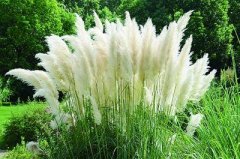
Physical Characteristics of Feather Reed Grass and Soil Requirements of Its Growing Regions
What is feather reed grass? Feather grass is a clump-forming ornamental grass with many varieties. It is a deciduous plant, but it is the first among the family to show foliage in early spring. Feather reed plants may grow to 3 to 5 feet tall and in June produce an inflorescence that starts green and slowly
-
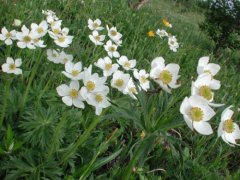
What Is Anemone? Appearance, Pictures, and Growing and Care Methods
Tall upright stems and deeply cut leaves topped with creamy white flowers describe the tall anemone. What is anemone? It is a North American native plant with vigorous growth and spreading characteristics, though not as bad as some other anemone relatives
-
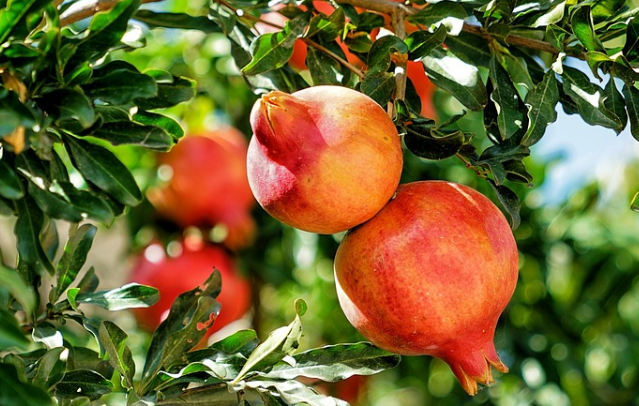
The Pomegranate Tree as a Long-Lived Tree: Its Appearance, Planting, and Time to Fruit
The pomegranate is a long-lived and highly adaptable tree species. To consistently obtain high-quality, high-yield fruit and achieve relatively high economic returns year after year, it is essential to select superior varieties according to the environmental requirements of the pomegranate tree and carry out rational cultivation and management.
-
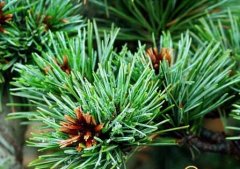
What are the characteristics and appearance of Taiwan five-needle pine? With pictures of common pine species
Taiwan five-needle pine is a plant of the genus Pinus in the family Pinaceae, and is a plant endemic to Taiwan, China. It is mainly distributed in areas of Taiwan, China at altitudes of 300 m to 2300 m. The leaves are needle-shaped, five needles per bundle, short and soft, hence the name "five-needle pine". It generally grows in mixed coniferous and broad-leaved forests, and has now been introduced and cultivated artificially.
-
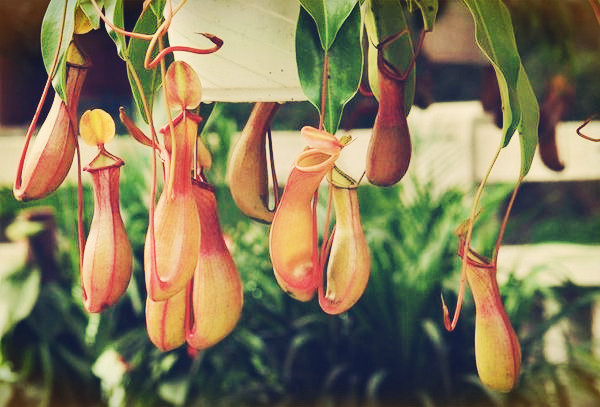
Is the pitcher plant the same as Nepenthes? A detailed look at its appearance and care methods
In the countryside fields there is a flower shaped like a bottle - is it Nepenthes? What does it look like? How do you grow it? Nepenthes is the general name for all species in the genus Nepenthes. It belongs to the tropical insectivorous plants, with its place of origin mainly the tropical regions of the Old World. It has a unique organ for absorbing nutrients - the pitcher, which is cylindrical
-
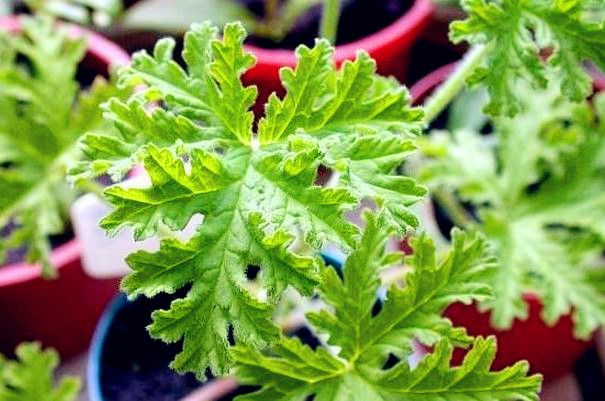
What Varieties of Mosquito Repellent Plants Are There? A Detailed Guide to Their Appearance and Growing Methods
In the sweltering summer, mosquitoes are always buzzing around and hard to get rid of, and mosquito repellent plants may help you solve this problem. So how many kinds of mosquito repellent plants are there? What do they look like? How should they be grown? Mosquito repellent plants generally do not cause side effects, but some people are naturally more sensitive to their scent due to their constitution.
-
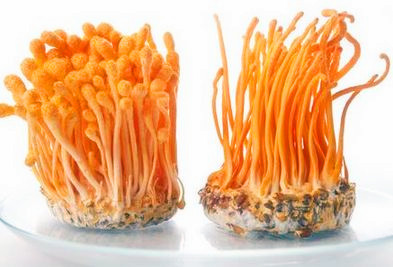
Cordyceps flower price per jin in 2017 and photos of the fresh cultivated appearance
Cordyceps flower is not actually a flower; it is essentially the fruiting body of Cordyceps, not the fruiting body of Chinese caterpillar fungus (Ophiocordyceps sinensis). So how much did Cordyceps flower cost per jin in 2017? What does fresh cultivated Cordyceps flower look like? What effects and functions does it have? Cordyceps flower looks very similar to common edible mushrooms such as shiitake and oyster mushrooms.
-
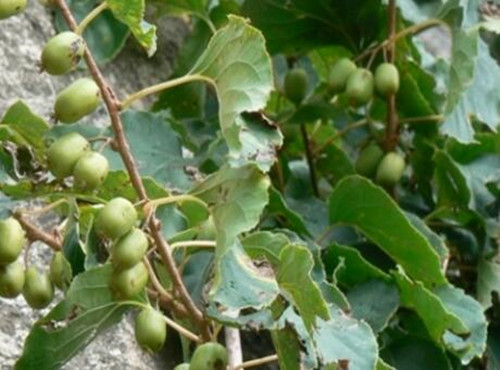
Appearance, Planting Methods, and Benefits and Effects of the National First-Class Key Protected Wild Plant Vitis balansana
Vitis balansana, an endangered species. Also known as bitter jujube, a woody vine. It is only scattered within a small area of Jinghong in greater Xishuangbanna, growing at the edge of seasonal rainforest in low mountain valleys at an altitude of 620 m. China has only this one genus and one species. So, what does Vitis balansana look like? How is it planted? What benefits and effects does it have? What does Vitis balansana look like
-
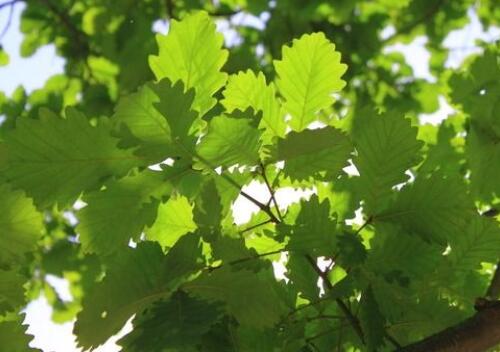
Can You Eat the Acorns of the Oak, America's National Tree? Appearance, Planting Methods and Fruiting Time
Oak, also known as the oak tree, the Mongolian oak, or the sharp-toothed white oak, is a general term for plants in the Fagaceae family, the largest flowering plant in the world, with some living up to 400 years old, and is the national tree of the United States. So what does an oak look like? When is it planted, and when does it fruit? Can its fruit be eaten? How is it grown? From Fagaceae reference materials we learn
-
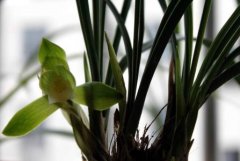
What does the Guanchun orchid, a variety of Cymbidium goeringii, look like? What are its characteristics?
The petal type of the Guanchun orchid is a green-flowered plum petal, and it is a famous variety of Cymbidium goeringii. It was selected in the 30th year of the Guangxu reign of the Qing Dynasty by the Shaoxing orchid dealer Feng Changsheng and identified by Wu Enyuan. Do you know this variety of orchid? Xiangu would like to learn about it, right? Let's take a look together. The characteristics of the Guanchun orchid are
条件筛选