-

The Palace Museum holds court, makes its first appearance at the ZASHARE Youth Expo
The National Palace Museum has been invited to take part in this year's "ZASHARE Youth - Diverse Learning Expo" from May 16 to 19, bringing "The Palace Museum Holds Court" to the main exhibition hall of the Huashan Four Connected Buildings for a "Huashan debate" with young people of all stripes. Yesterday...
-
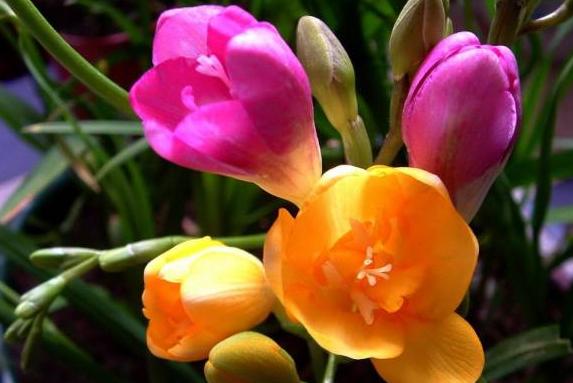
What causes tiny flying insects to appear on the plants you grow
Tiny flying insects in flower pots are so annoying, but with just these few steps, they all disappear immediately! This household grows flowers and plants, and flying insects have become regular visitors to this home. People often ask about flowers and friends ask how to care for flowers. Insects attached to flowers are also very troublesome. Today, I will teach everyone how to deal with tiny flying insects in flower pots.
-
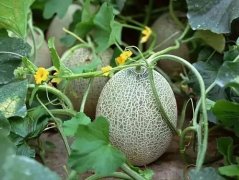
Characteristics, appearance and price of Xizhou honeydew, and whether it is a Hami melon
The autumn harvest of Hami melons in Tuyugou Village, Shanshan County, Turpan City, gradually entered the market in mid-September. After the abundant summer harvest, the autumn harvest also yields about 3000 kg per 0.07 hectares. Turpan Hami melons are sold in Guangzhou, Shenzhen and Shanghai. Among them, the Xizhou honeydew variety
-
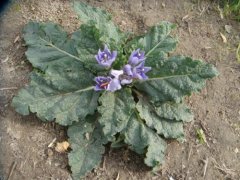
Do Mandrakes Really Exist? An Analysis of Their Appearance and Garden Planting Safety
Long absent from American ornamental gardens, the mandrake (Mandrake officinarum), also known as the Satan's apple, is making a comeback, thanks in part to the Harry Potter books and films. Mandrake plants bloom in spring with lovely blue and white flowers, and in late summer the plant produces attractive (but inedible) red-orange berries.
-
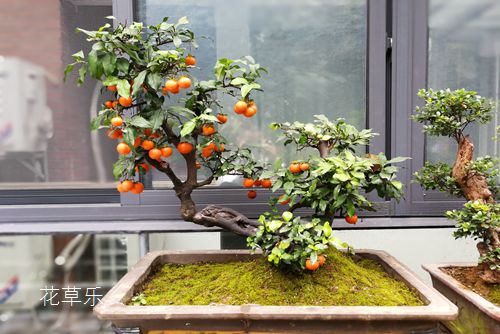
Black raised patches appear on the leaves of the Chinese persimmon (Diospyros cathayensis); suspected to be scab. How should it be prevented and treated?
The pathogen of scab is a fungus of the subphylum Deuteromycotina. On affected leaves, small water-soaked round spots appear at first, then turn waxy yellow. The lesions enlarge as the leaves grow and gradually become suberized, bulging out on one side of the leaf as conical scabs while sinking inward on the other side; leaves with many lesions become twisted and deformed.
-
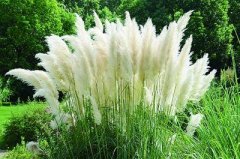
Physical Characteristics of Feather Reed Grass and Soil Requirements of Its Growing Regions
What is feather reed grass? Feather grass is a clump-forming ornamental grass with many varieties. It is a deciduous plant, but it is the first among the family to show foliage in early spring. Feather reed plants may grow to 3 to 5 feet tall and in June produce an inflorescence that starts green and slowly
-
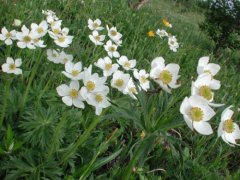
What Is Anemone? Appearance, Pictures, and Growing and Care Methods
Tall upright stems and deeply cut leaves topped with creamy white flowers describe the tall anemone. What is anemone? It is a North American native plant with vigorous growth and spreading characteristics, though not as bad as some other anemone relatives
-
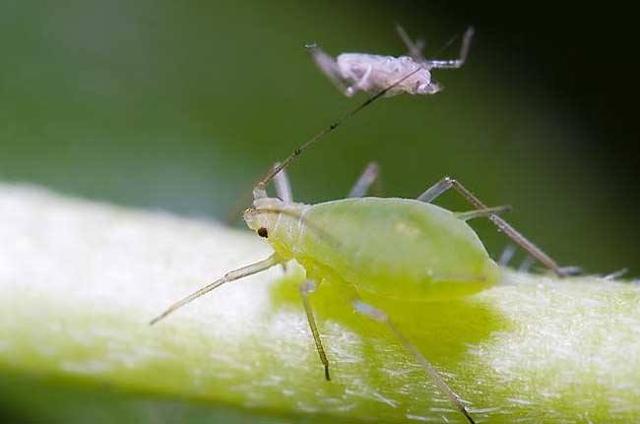
What to Do When Aphids Appear on Flowering Plants? A Summary of Highly Effective Aphid Control Methods
Flowers and plants often attract aphids, and their destructive power is strong. They usually attach to the underside of plant leaves, then suck the plant's sap; the leaves gradually turn yellow, and the plant gradually becomes stunted and cannot grow tall. In severe cases, the flowers may even wither. Spring and autumn are the seasons when aphids are most prevalent.
-
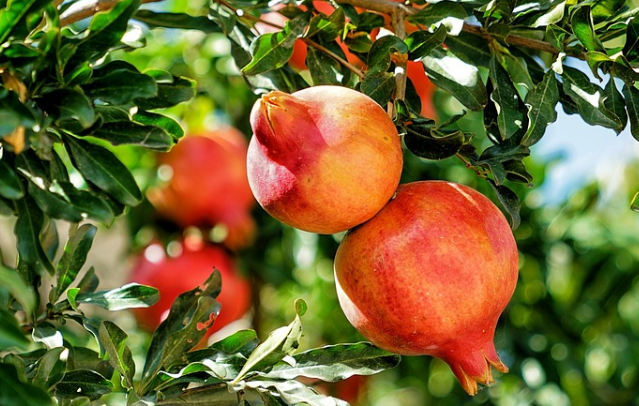
The Pomegranate Tree as a Long-Lived Tree: Its Appearance, Planting, and Time to Fruit
The pomegranate is a long-lived and highly adaptable tree species. To consistently obtain high-quality, high-yield fruit and achieve relatively high economic returns year after year, it is essential to select superior varieties according to the environmental requirements of the pomegranate tree and carry out rational cultivation and management.
-
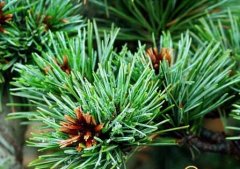
What are the characteristics and appearance of Taiwan five-needle pine? With pictures of common pine species
Taiwan five-needle pine is a plant of the genus Pinus in the family Pinaceae, and is a plant endemic to Taiwan, China. It is mainly distributed in areas of Taiwan, China at altitudes of 300 m to 2300 m. The leaves are needle-shaped, five needles per bundle, short and soft, hence the name "five-needle pine". It generally grows in mixed coniferous and broad-leaved forests, and has now been introduced and cultivated artificially.
条件筛选