-
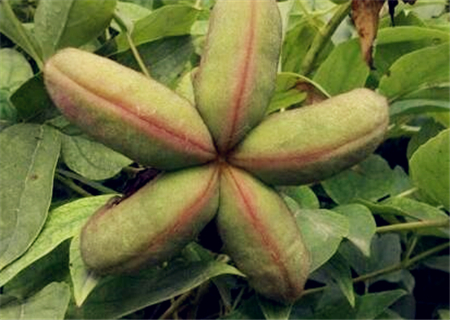
How much is oil peony seed per jin? Analysis of planting prospects, income per mu, and national subsidies
Oil peony is a plant in the Paeoniaceae family, distributed in the northwest, Taibai Mountain in Shaanxi, Wanhua Mountain in Yan'an, and other places. So how much is oil peony seed per jin? What are the planting prospects? How much income per mu? Are there national subsidies for planting? How much is oil peony seed per jin? It is understood that
-

What to Do About Rice Panicle Sprouting? Cause Analysis and Prevention Methods
Causes of Rice Panicle Sprouting and Prevention Methods
-
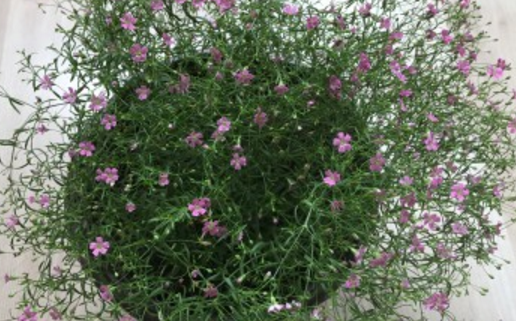
How to Grow a Liriope Subclass Spider Plant 'Wedding Dress'? Propagation Methods and Value Analysis
Spider Plant 'Wedding Dress', also called "Romantic Grass," so what is the cultivation method for Spider Plant 'Wedding Dress'? How do you propagate it? What value does it have? According to available information, Spider Plant 'Wedding Dress' prefers a high-temperature, high-humidity growing environment, requires plenty of scattered light, is rather afraid of direct strong light, and is not very tolerant of shade. Spider Plant 'Wedding Dress' likes water and fertilizer
-

Jerusalem artichoke (sunchoke) seed planting methods, timing and prospect analysis
Jerusalem artichoke is an annual herbaceous plant in the Asteraceae family, genus Helianthus. Jerusalem artichoke is grown for its underground tubers. There is scattered cultivation throughout our city, so do you know what the seed planting methods for Jerusalem artichoke are? What are the prospects for growing it? When should it be planted? From a farmer who has grown Jerusalem artichoke year-round, we learned that Jerusalem artichoke is sown in spring
-
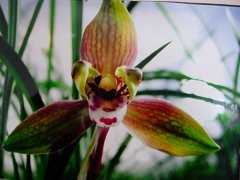
Analysis of the flowering characteristics and variety traits of the Chunlan 'Honglongzi' orchid
Chunlan 'Honglongzi' is a very old variety. Honglongzi was introduced from China to Japan in the early days, and only in recent years has it been brought back from Japan. The name Honglongzi was not chosen by us; it was chosen by the Japanese. So what kind of characteristics does this orchid have? The leaves of Honglongzi
-
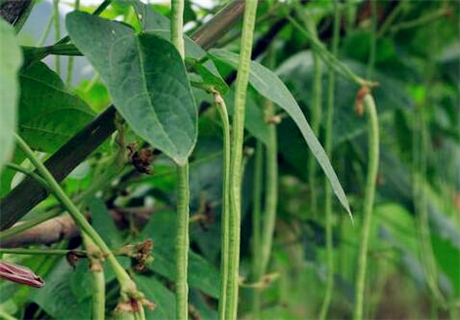
High-Yield Cultivation Methods and Prospect Analysis for Cowpea, with Yield Exceeding 4000 jin per mu
Cowpea, commonly known as asparagus bean, ginger bean, yardlong bean, or hanging bean. Generally, June to September is the best season for eating cowpea. So how many jin can be produced per mu when growing cowpea? How is it cultivated? What are the prospects for growing it? Main varieties of cowpea: cowpea can be divided by stem growth habit into climbing and bush types.
-
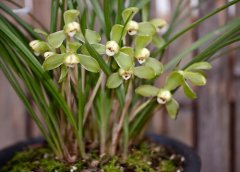
How much does a Chunlan Heshen Mei cost? Characteristics and fragrance analysis
The Heshen Mei orchid was discovered and selected in the early years of the Republic of China by Huang Chengqing of the Jiangnan Fusheng Tobacco Shop in Yuyao, on Yingge Mountain in Yuyao, and is also known as Yingge Mei. So what are the characteristics of this kind of orchid, and what price range is it in? Let's take a look together. The outer three petals of Chunlan Heshen Mei are short and round, with a contracted
-
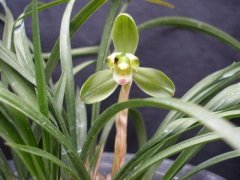
Spring Orchid Variety Recommendation: Does the Xiaoda Mei Orchid Smell Fragrant? Characteristics and Quality Analysis
Xiaoda Mei is a small-form flower of the spring orchid (Cymbidium goeringii), petite and elegant. It was selected from a flower cellar in Suzhou during the reign of the Daoguang Emperor of the Qing Dynasty. When this variety was discovered, a brawl broke out over it, hence the name Xiaoda Mei. So what characteristics does it have? Would you like to learn about them? Xiaoda Mei orchid
-
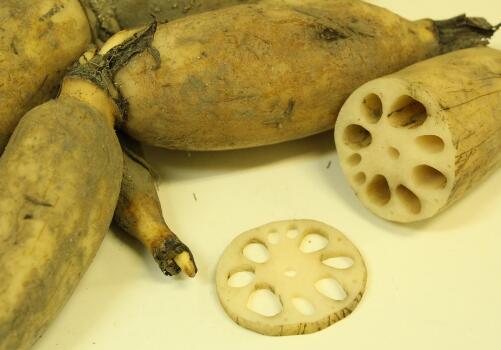
Analysis of Lotus Root Planting Time, Methods, and Planting Prospects
As the folk saying goes: "The lotus is a treasure from top to bottom, and autumn lotus root is the most nourishing." Now is the perfect season to eat lotus root. Lotus root is one of the common vegetables on the dining table; it can be stir-fried or stewed in soup, and it is rich in minerals and vitamin C. Eating lotus root regularly is good for your health. Lotus root is cultivated in many regions of China
-
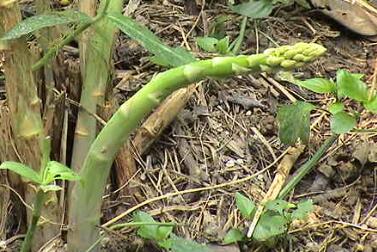
What Plant Is Asparagus? Analysis of the Cultivation Prospects of a Premium Nutritious and Valuable Vegetable
Many people don't know what plant asparagus is. Asparagus is actually a valuable vegetable with excellent taste, boasting a fresh and aromatic flavor, with tender fibers that are pleasant to eat. It stimulates the appetite, aids digestion, and has rich nutritional content and high medicinal value. The tender stems of asparagus are delicate in texture, with soft, palatable fibers and a unique, aromatic flavor.
条件筛选