What Plant Is Asparagus? Analysis of the Cultivation Prospects of a Premium Nutritious and Valuable Vegetable
Many people don't know what plant asparagus is. Asparagus is actually a valuable vegetable with excellent taste, boasting a fresh and aromatic flavor, with tender fibers that are pleasant to eat. It stimulates the appetite, aids digestion, and has rich nutritional content and high medicinal value. The tender stems of asparagus are delicate in texture, with soft, palatable fibers and a unique, aromatic flavor, making it a premium nutritious health vegetable. What are the cultivation prospects for asparagus? How do you make it delicious?
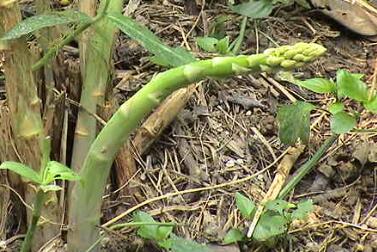
I. What Plant Is Asparagus
Asparagus, with the scientific name Asparagus officinalis, is a perennial flowering plant and one of the world's top ten vegetables. It was once classified under the Liliaceae family, like onions and garlic. However, the Liliaceae family has now been split, and it is currently classified under the Asparagaceae family, in the genera Asparagus and Asparagus.
Asparagus originated along the Mediterranean coast of Europe and in Asia Minor, and was introduced to China during the Qing Dynasty, with a history of just over 100 years.
Based on color, asparagus can be divided into green asparagus, white asparagus, and purple asparagus.
Green asparagus: the most common asparagus variety in daily life, which turns green through photosynthesis.
White asparagus: white asparagus is white because it does not undergo photosynthesis during growth, as its lack of exposure to sunlight is due to human intervention, so white asparagus is much more expensive than green asparagus.
Purple asparagus: higher in sugar content than green and white asparagus, with lower fiber content. It is purple on the surface and green inside, and can be eaten raw.
II. What Are the Cultivation Prospects for Asparagus?
Open-field asparagus cultivation requires relatively low investment. In the first year, seed input per mu is 200-400 yuan, and fertilizer and pesticides are about 350 yuan. Starting from the second year after harvest begins, annual fertilizer costs are 400-500 yuan, and pesticide costs are 150-200 yuan. The harvest period for open-field asparagus is generally about 15 years, after which asparagus enters its aging phase, yields gradually decline, and it should be culled and replanted (F2 generation asparagus seeds are lower in price but have poorer disease resistance and yield performance, so it is recommended not to use them).
If asparagus is planted on one's own contracted farmland, labor and land contract rent can be excluded, and the profit per mu of open-field asparagus can be over 4000 yuan. If land is contracted on a large scale for planting, labor costs and land contract fees need to be added, with investment of about 2000 yuan and net profit of 3000 yuan.
The investment for greenhouses and conservatories is 3000 yuan and 15000 yuan respectively, with profits of 10000-20000 ten-thousand yuan. Asparagus cultivation does not require particularly special techniques, and generally anyone can grow it.
III. How Do You Make Asparagus Delicious?
Prepare asparagus, onion, lily bulb, flour, cream, white wine, chicken broth, and other seasonings. First peel the asparagus, remove the old roots, and cut into sections; mince the onion. Put a small amount of oil in the pan, sauté the onion until fragrant, then add the asparagus and lily bulb, then pour in the white wine and chicken broth and bring to a boil. Strain, and place the broth and asparagus separately. Melt butter in the pan, pour in an appropriate amount of flour and stir-fry into a paste, then pour the asparagus broth into the pan, stirring constantly. Blend the asparagus in a food processor until crushed and pour into the soup, and finally add cream and pepper to season.
1. Kiwi Asparagus Juice
Prepare 1 to 2 kiwis, 3 to 5 spears of asparagus, 1 small cucumber, an appropriate amount of honey, and an appropriate amount of ice cubes. Wash the asparagus and remove the roots; wash the small cucumber, which must be a very tender one, and remove the head and tail ends; remove the flesh from the kiwi, then slice everything. Put all the fruits and vegetables into a juicer, add ice water, and then add an appropriate amount of honey according to personal preference.
2. Bacon Asparagus Rolls
Prepare an appropriate amount of bacon and asparagus. Snap off the old roots of the asparagus, then wash it, and blanch the asparagus briefly in boiling water with salt and oil, taking care not to add too much oil. Then cut the asparagus in half into two sections, wrap two spears of asparagus with one slice of bacon, rolling tightly and slowly, then seal with a toothpick. After that, brush oil in the pan, add the bacon asparagus rolls and pan-fry slowly over low heat. When they turn golden brown, they are ready to be taken out, and sprinkle with some pepper and sea salt. If you have an oven, making these bacon asparagus rolls is even more convenient.
3. Cream of Asparagus Soup
Prepare asparagus, onion, lily bulb, flour, cream, white wine, chicken broth, and other seasonings. First peel the asparagus, remove the old roots, and cut into sections; mince the onion. Put a small amount of oil in the pan, sauté the onion until fragrant, then add the asparagus and lily bulb, then pour in the white wine and chicken broth and bring to a boil. Strain, and place the broth and asparagus separately. Melt butter in the pan, pour in an appropriate amount of flour and stir-fry into a paste, then pour the asparagus broth into the pan, stirring constantly. Blend the asparagus in a food processor until crushed and pour into the soup, and finally add cream and pepper to season.