-

How promising is goldenberry cultivation? Market and profitability analysis
Analysis of the prospects for goldenberry cultivation
-

What to Do When a Money Tree's Leaves Turn Yellow? Cause Analysis and Prevention Methods
The money tree (Pachira aquatica) is a popular potted plant. It does not just symbolize wealth; it is also a natural air purifier that can combat the exhaust fumes produced by burning tobacco, making it an important decorative item for the home. Many people like to keep one at home, only to find that before long its leaves start turning yellow
-
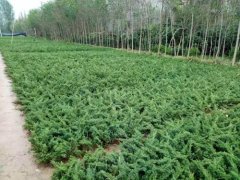
Is a creeping juniper bonsai suitable to keep at home? Value and premium price analysis
The creeping juniper is an evergreen small shrub and also belongs to the cypress family, but this kind of cypress does not grow tall, generally around 70-80cm, so it is called creeping juniper. Its economic value is generally as a bonsai. Is a creeping juniper bonsai valuable? Yes, it is valuable. So is a creeping juniper bonsai
-

China Fresh Jujubes Proposed for Export to the United States: Pest Risk Analysis Completed
According to Perishablenews.com, the United States Department of Agriculture Animal and Plant Health Inspection Service (APHIS) has completed a pest risk analysis for the import of fresh jujubes from China and is currently receiving comments. After a comprehensive analysis, researchers at the USDA Animal and Plant Health Inspection Service
-

Where Are Bald Cypress Saplings Most Common? Seed Propagation Methods and Price Analysis
Bald cypress is a very attractive cypress tree. It also has another name, bald cypress, and it is a large deciduous tree. It can grow very tall, reaching up to about 50 m at its tallest. Its trunk is generally full and straight, and trees with curved trunks are rare. Its overall shape is conical
-

Is the common moss Big Cypress moss rare? An analysis of the main characteristics of bryophytes
Big Cypress moss belongs to the bryophytes, and this plant is generally a fairly common bryophyte. Is Big Cypress moss rare? Big Cypress moss is actually not a rare bryophyte; its traces can often be seen in moist places under mountain forests or on thin soil over rock surfaces. Big Cypress moss its plant
-

What Is the Scientific Name of Wool Moss? An Analysis of the Main Characteristics of Common Bryophytes
Wool moss is a type of bryophyte, and its scientific name is Dicranum scoparium. The stems and leaves of this moss are as smooth as wool, so some people call it wool moss. Wool moss is now a relatively popular moss in the making of miniature landscapes, and this moss mainly
-
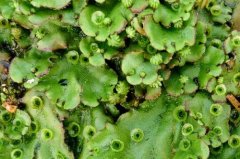
What kind of plant is liverwort? Analysis of rhizome and leaf characteristics and growing environment
Liverwort is a spore plant of the genus Marchantia in the family Marchantiaceae, belonging to the bryophytes. Its appearance is very small, so some people ask whether liverwort has rhizomes and leaves. In fact, it does have stems and leaves, and its roots are rhizoids. Plants of the division Marchantiophyta are generally very small, so they are often overlooked. But
-
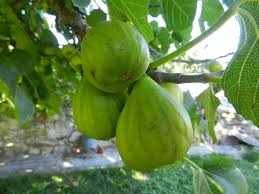
How much is a jin of figs? Cost, yield and profit analysis for planting 100 mu
The fig is a rare fruit, grown in Hunan, Jiangsu, Sichuan and other places in China, but the cultivation quality is best in the **Atushi region. Figs are a pollution-free green food, hailed as the guardian of human health in the 21st century. How much is a jin of fresh and dried figs
-

Analysis of the Seed Characteristics and Advantages and Disadvantages of the New Tomato Variety Lola
There are quite a lot of tomato varieties nowadays. Have you heard of the new tomato variety Lola? Lola tomatoes are relatively cheap, generally 2 to 3 yuan per jin. Lola is also an indeterminate pink-fruited tomato. It is an early-maturing variety. Compared with other
条件筛选