-
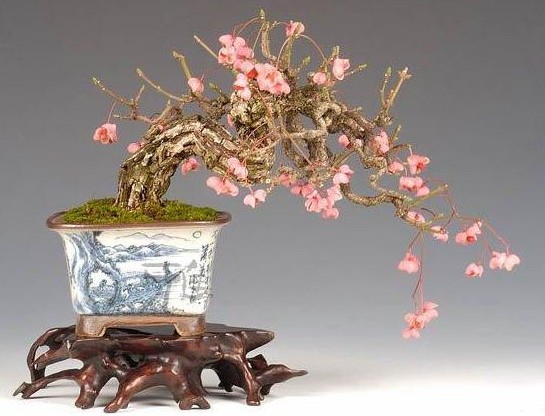
An Analysis of the Coexistence of Traditional Penjing and Folk-Art Penjing
The author of "Record of the Plum Blossom Sanatorium" even called excessively styled plum trunks "diseased plums," removed their bindings, and replanted them to grow anew. Although this was not the author's original intent, it does reveal from one angle that what literati through the ages admired was the "natural-style" penjing rich in cultural flavor and artistic atmosphere. The Ming and Qing dynasties were an era of highly developed penjing in our country.
-
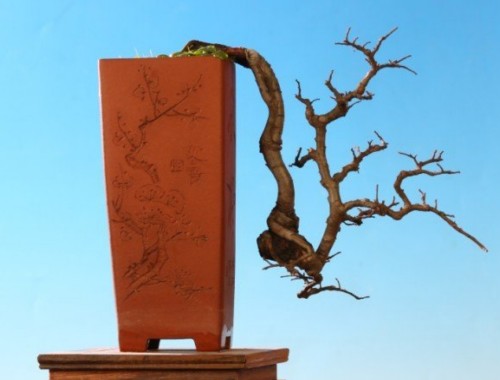
An Analysis of the Complexity of Four-Dimensional Space in Penjing Artistic Creation
People know that penjing is a three-dimensional spatial art with length, width, height and depth, and it is praised as a three-dimensional painting. In penjing artistic creation, mastering only the three-dimensional space of "solid" is not enough, because any object (a single tree or a single stone) is a three-dimensional space
-
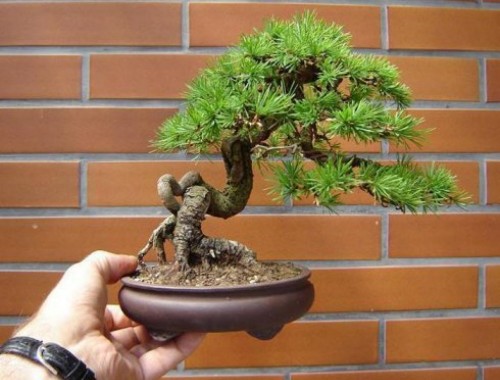
Analysis of the Development Prospects of the Miniature Bonsai Planting Project
As China's urbanized living environment changes, the preferred specifications and sizes of bonsai will certainly change accordingly. In the future, bonsai will move toward miniaturization and micro-miniaturization to adapt to the requirements of apartment living conditions, and miniature bonsai will certainly become the mainstream of bonsai development.
-

What are the characteristics of miniature bonsai? A comprehensive analysis in one article
Bonsai emphasizes the aesthetic sequence of "first the scene, second the pot, third the stand." The stand plays an indispensable role in the appreciation of bonsai, and its modeling form and the size of its space are very important for enhancing the appreciation effect of bonsai. Traditional Chinese painting generally must be mounted, and mounting is a highly skilled craft
-
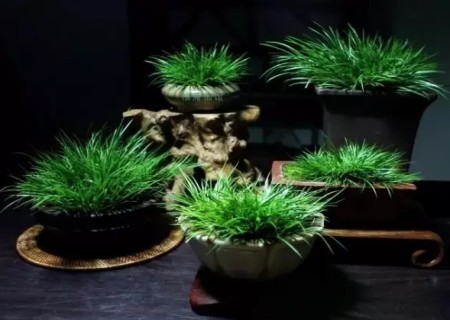
What soil should be used to plant Acorus gramineus? A soil analysis for cultivation tells you
Acorus gramineus is one of China's traditional flowers, and together with orchids, narcissus and chrysanthemums it is known as the "Four Elegants of Flowers and Plants". In recent years it has become hugely popular in the flower market and has gradually become a new favourite of consumers. Acorus gramineus as a potted ornament was already widely popular as early as the Song Dynasty. As in Su Shi's poem: "Speckled broken stones grow Acorus gramineus, a spoonful of clear spring and half a stone bowl"
-
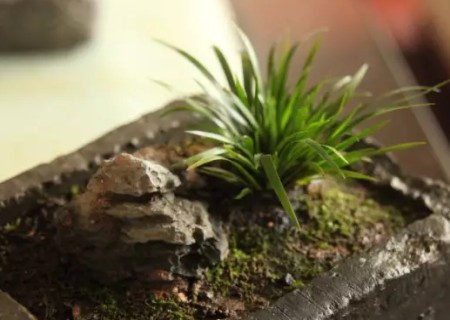
Why are Acorus bonsai so expensive? An analysis of the reasons for the high price
In recent years, Wuxi has held two Acorus exhibitions, which pushed Acorus from a small circle of hobbyist appreciation into the mass market and made more and more bonsai enthusiasts fall in love with this bonsai plant
-
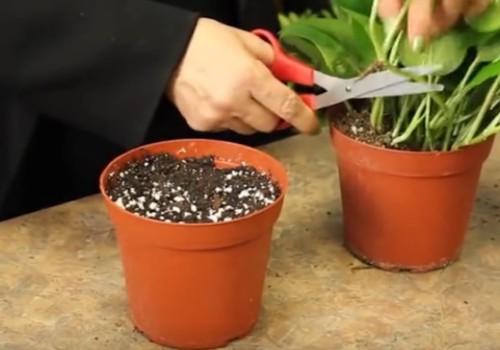
Is Hydroponic or Soil Culture Better for Pothos? A Comparative Analysis of Pros and Cons
Pothos can be grown both in soil and hydroponically. As long as the care method is appropriate, it can be grown with abundant stems and green leaves, looking fresh and beautiful. But from the perspective of application and management, is hydroponic or soil culture actually better for pothos? In fact, whether hydroponic or soil-grown pothos, each has its own advantages and limitations.
-
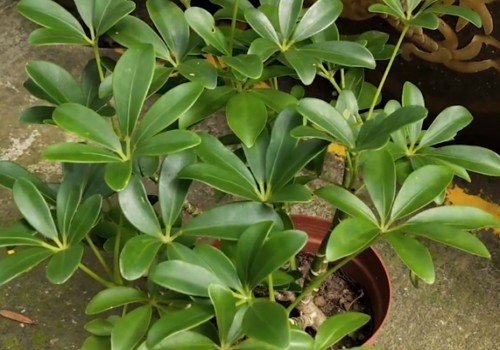
Is a single Umbrella Tree (Schefflera) plant attractive when grown alone? An analysis of its ornamental effect
Umbrella Tree, also known as Schefflera and Duck-foot Wood, is deeply loved by the public because the plant stays evergreen year-round and its foliage is verdant and glossy, making it quite ornamental. Many plant enthusiasts grow and keep it as a household foliage potted plant. However,
-
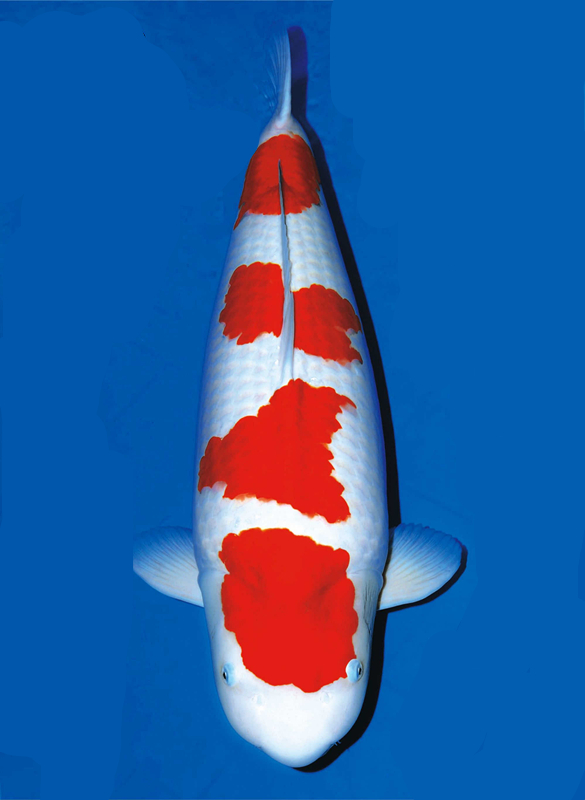
Are four-step red-and-white koi beautiful? A full analysis of breeding techniques
Introduction to four-step red-and-white koi. The four red patches of the four-step red-and-white koi are generally distributed across three areas: the head, the trunk, and the tail. Generally speaking, compared with two-step and three-step red-and-white koi, the four-step red-and-white places greater emphasis on the question of balance points; the dividing points of the red patches must not only...
-
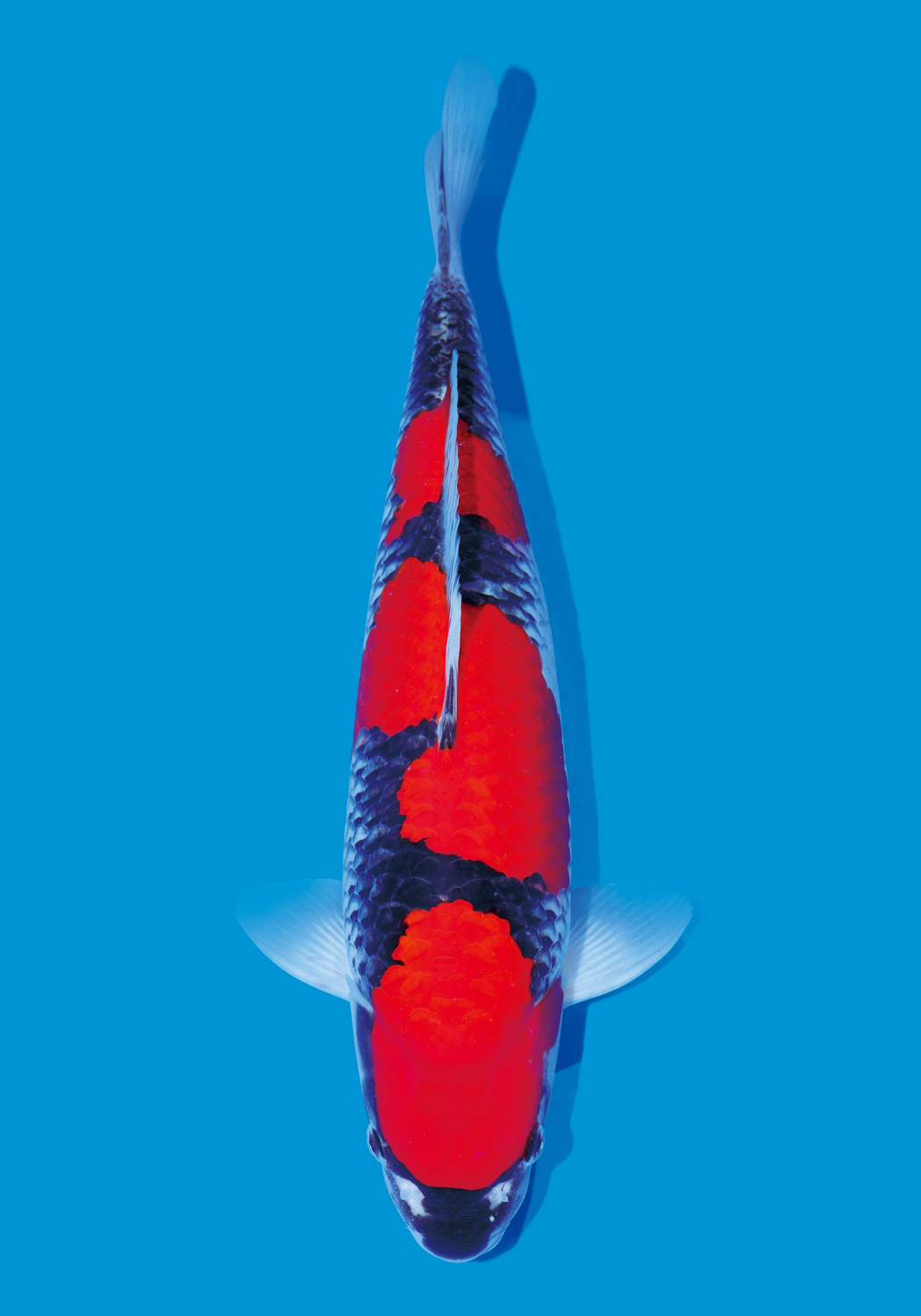
What Are Five-Colored Koi Like? An Analysis of the Color Characteristics of Yellow Bekko Koi
Introduction to Five-Colored Koi. Five-colored koi are produced by crossing light yellow koi with three-colored koi, and are named five-colored because they carry white, red, black, blue and indigo on their bodies. In the white five-colored type, those with a beautiful red pattern are especially prized. Five-colored koi change greatly before the age of 2, so at 1 year old they must be observed in detail for skin...
条件筛选