-
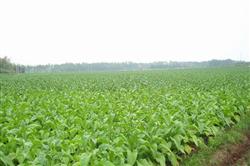
How to correctly use napropamide in tobacco fields?
How should napropamide be used in tobacco fields? Please give guidance. Tobacco seeds are small, and the seedlings grow slowly, so they are often harmed by weeds. The main weeds include: foxtail, Chinese sprangletop, barnyardgrass, goosegrass, shortawn foxtail, cocklebur, flatsedge, cleavers, chickweed, plantain, dandelion, etc. Weed control in tobacco fields can...
-

Use Sulfonamides with Caution When Treating Infectious Coryza in Chickens
The pathogen of infectious coryza in chickens is Haemophilus paragallinarum, and it is an acute upper respiratory tract disease with highly contact-based transmission. The disease tends to become epidemic in humid seasons, mostly occurs as mixed infections, and the incidence rate is high in adult chickens. Symptoms: nasal discharge, which forms scabs after drying and blocks the nostrils. Facial swelling, with swelling on one side of the face in most cases, head shaking, closed eyes and listlessness, preference for lying down, reduced feed intake, decreased egg production, and greenish watery droppings. Some chickens show respiratory symptoms such as coughing and sneezing. Treatment: Sulfonamides are highly effective, but they inhibit egg production, and laying
-
How to prevent and treat sulfonamide poisoning in ducks?
Sulfonamides are a class of drugs with a relatively broad antibacterial spectrum, capable of inhibiting most Gram-positive and Gram-negative bacteria, and they also have an anticoccidial effect, making them a commonly used drug in poultry. However, improper use can cause poisoning. 1. Causes: When using sulfonamides, an excessive dosage or a overly long treatment course may lead to poisoning. Sulfonamide drugs at a concentration exceeding 0.2% in drinking water and feed are toxic to ducks. Also, those allergic to sulfonamides, or those who accidentally take an excessive single dose, or those whose treatment course exceeds 1 week are all prone to poisoning.
-
Detailed Explanation of Lincosamide Antibiotics Commonly Used in Geese
Source and properties: This product is extracted from the culture broth of a Streptomyces variant. It is a white crystalline powder, alkaline, bitter in taste, and soluble in water. Its hydrochloride salt is easily soluble in water. Both the aqueous solution and the dry product are relatively stable. Actions and uses: The antibacterial action of this product is similar to that of erythromycin, but its antibacterial spectrum is narrower than that of erythromycin. It has strong antibacterial action against most Gram-positive bacteria such as Staphylococcus aureus, Streptococcus, Clostridium welchii, etc., and also has a significant effect on mycoplasma. Clinically, it is mainly used to treat mycoplasmosis, necrotic enteritis, staphylococcosis
-
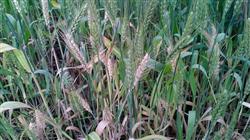
Wheat sharp eyespot must be controlled early in spring with thifluzamide
In recent years, the area of direct-seeded rice in northern Jiangsu and other places has been relatively large, resulting in a generally late wheat sowing period. To ensure the yield of late-sown wheat, the seeding rate is often greatly increased, with high-rate fields using 20-30 kg of seed per mu. The wheat seedlings in the field grow too densely, and as spring temperatures rise, the wheat quickly resumes growth, and the field canopy density...
-
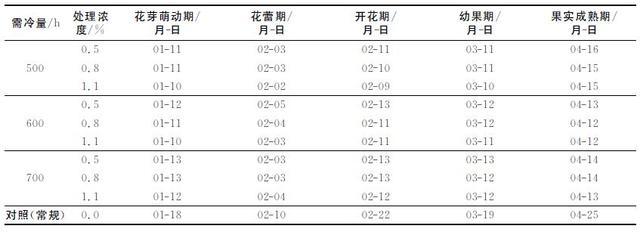
Effect of hydrogen cyanamide on breaking dormancy in blueberries
Effect of hydrogen cyanamide on breaking dormancy in blueberries Fund project: Supported by the Yunnan Province Universities Dominant and Characteristic Key Discipline (Ecology) Construction Project (05000511311). 1 Materials and Methods 1.1 Materials The experiment was conducted in 20...
-
Which sulfonamide drugs should be used with caution in the treatment of infectious coryza in chickens?
The pathogen of infectious coryza in chickens is Haemophilus paragallinarum, and it is an acute upper respiratory tract disease with highly contagious transmission. The disease is prone to epidemics in humid seasons, mostly involves mixed infections, and the incidence is high in adult chickens. Symptoms: nasal discharge, which forms scabs after drying and blocks the nostrils. Facial swelling, mostly swelling on one side of the face, head shaking, closed eyes and listlessness, tendency to lie down, decreased feed intake, decreased egg production, and greenish watery droppings. Some chickens show respiratory symptoms, coughing, sneezing, etc. Treatment: sulfonamide drugs are highly effective, but they
-
Symptoms and Prevention and Treatment Methods of Sulfonamide Poisoning in Chickens
Among sulfonamide drugs, especially those easily absorbed in the intestinal tract, such as sulfadiazine (SD), sulfadimidine (SM2), sulfamonomethoxine (SMM), sulfaquinoxaline (SQ) and sulfamethoxypyridazine (SMP), their therapeutic dose is close to the toxic dose. In the prevention and treatment of poultry parasitic protozoal diseases, sufficient dosage and continuous medication must be used to be effective, otherwise the protozoa are prone to developing drug resistance. Therefore, factors such as large dosage or long duration, and uneven mixing in the feed
-
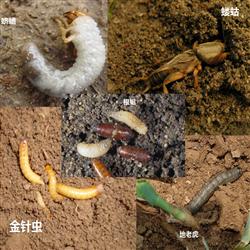
Introduction to Calcium Cyanamide and Its Agricultural Application Methods
What is calcium cyanamide? How is it used in agriculture? Is there anyone who knows about it and can help explain? Calcium cyanamide is also called nitrolime, and generally contains about 20%-22% nitrogen. Calcium cyanamide is a highly valuable fertilizer for current pollution-free agricultural production, and it is also a dual-purpose pesticide and fertilizer soil purifier...
-
What is canine fluoroacetamide poisoning?
It is caused by accidentally eating fluoroacetamide-based rodenticide bait or rats killed by this poison. It is clinically characterized by restlessness, aimless charging, vomiting, salivation, and paroxysmal spasms of the whole body's muscles. [Prescription] 50% acetamide (acetamide) 5-IOml. Usage: one intramuscular injection. Inject intramuscularly in 2-4 divided doses at 0.1-0.3g per kg of body weight, with half the daily dose used for the first dose, for 5-7 consecutive days. Note: combine with sedation, intravenous infusion of glucose and
条件筛选