-
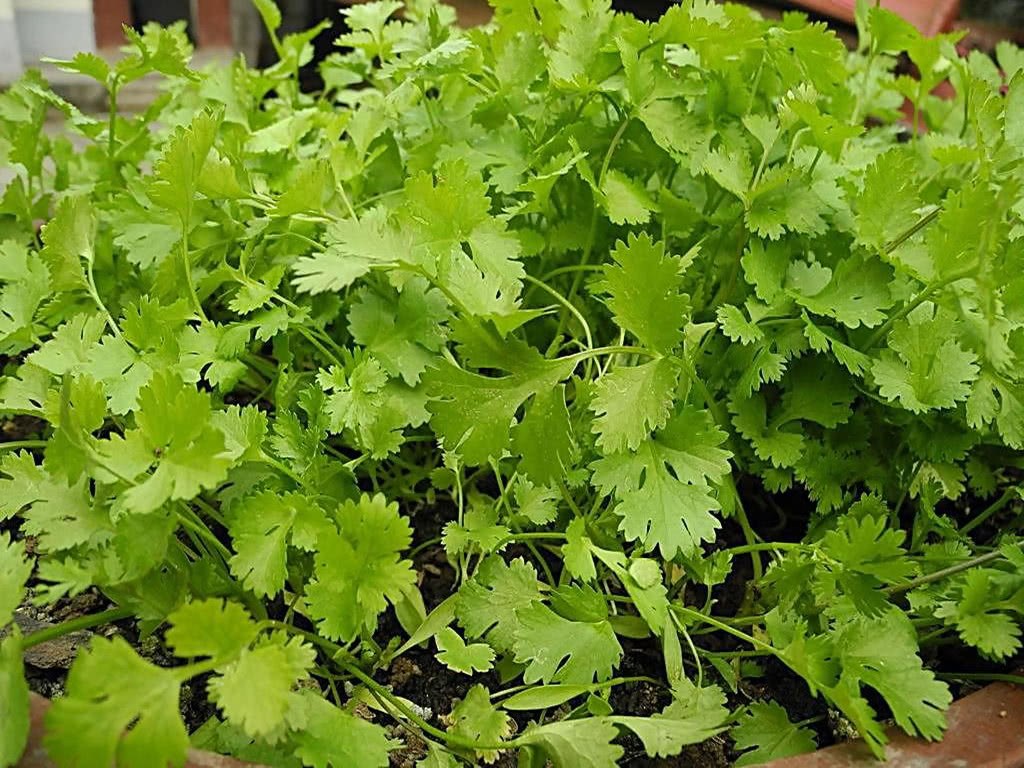
Six wild vegetables that foreigners hate; eating three of them makes you impressive, eating all of them makes you a tycoon
One of the six wild vegetables that foreigners hate: Cilantro contains many volatile oils, and its special aroma is given off by these volatile oils. It can stimulate the appetite and invigorate the spleen. Cilantro also contains potassium acid apple, etc. The amount of vitamin C contained in cilantro (coriander) is higher than...
-
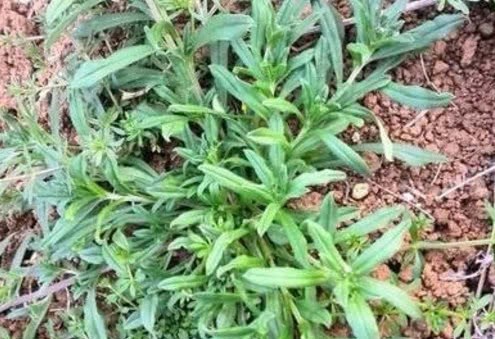
These several wild vegetables can lower blood pressure and blood lipids, and can also help prevent heart disease
Maoni cai (Cerastium glomeratum, sticky mouse-ear chickweed) is a type of wild vegetable. It is a wild vegetable of wheat fields distributed in Henan and northern Anhui, with flowers in two colors, white and red. The seeds are brown. The taste is slightly astringent, and it is non-toxic. It is rich in amino acids and other trace elements. During the three years of natural disasters...
-
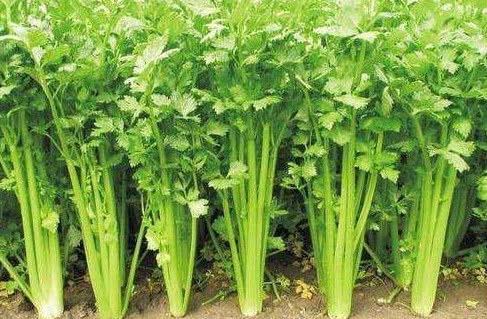
These several wild vegetables can treat headaches and colds, sober you up and protect the stomach, and relieve dizziness from high blood pressure
Ostericum is distributed in the mountainous areas of Liaoning, Jilin, Heilongjiang and other provinces in China, growing in mixed coniferous and broad-leaved forests, under mixed woods, and in valley wetlands. Ostericum is mainly used to treat rheumatic arthralgia, soreness and pain of the waist and knees, colds and headaches, and painful swollen sores. The young seedlings can be used as...
-
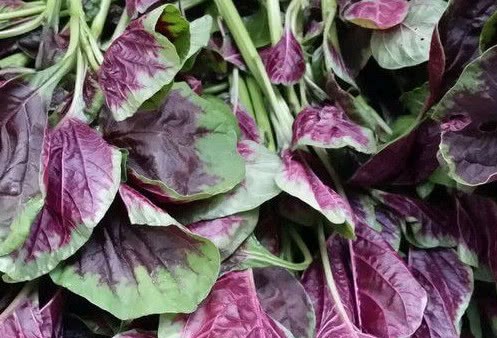
Three vegetables that help women fight aging, improve beauty, clear acne, lose weight, detoxify and boost immunity
The stems and leaves of amaranth are eaten as a vegetable; those with leaves variegated in various colors are grown for ornamental purposes; the roots, fruits and the whole plant are used as medicine, with the effects of improving eyesight, promoting urination and bowel movements, and relieving chills and fever. Effects and functions: amaranth can tonify qi, clear heat, improve eyesight, promote labor, and ease the large and small intestines...
-
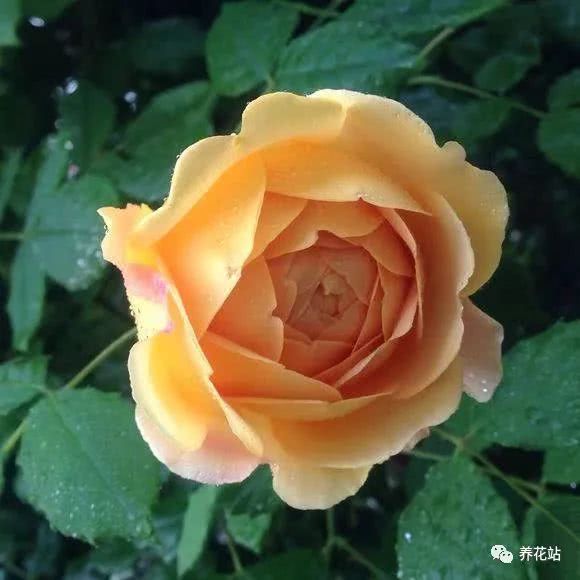
Osmanthus has a rich fragrance and many benefits, making it more suitable for indoor potted plants than jasmine
Follow the gardening site to get more gardening tips! Osmanthus has many varieties and a rich range of colors. Jinguì (golden osmanthus) and Danguì (red osmanthus) are both quite fragrant varieties, and many flower lovers keep a few pots on their balconies. Osmanthus is fragrant, and the aromatic substances contained in its fragrance...
-

Flowers suitable for spring sowing that grow into perennial flowering plants in the yard
If you want to grow some perennials that produce brilliant, beautiful flowers, ones you plant once and then enjoy lovely blooms from, the flowers below are especially suitable. They can all be propagated by seed after the weather warms up in spring, and they are especially eas...
-
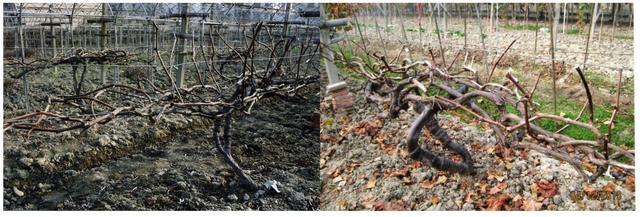
Practical experience in achieving stable yields through the renewal of old grapevines
Practical experience in renewing old grapevines for stable yields. Traditional renewal of old vines involves cutting the old vines back hard so that they send out new shoots, with no yield in that year. At the grape experimental garden of the HAIYAN COUNTY INSTITUTE OF AGRICULTURAL SCIENCES in Zhejiang, on 16-year-old and 13-year-old vines of Fujiminori and Zui Jinxiang grapes...
-
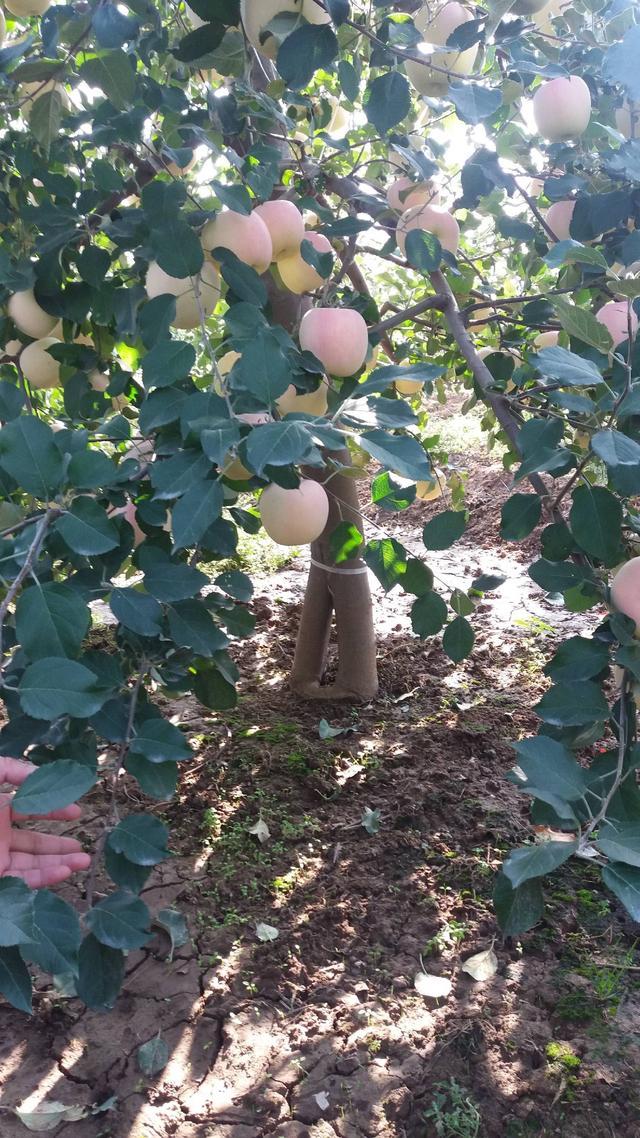
Renovation practices for old apple trees: methods for stable yields
Renovation practices for stable yields in old apple trees With the sustained and rapid development of the apple industry, there are more and more old orchards. Some orchards have trees around 30 years old, with multiple diseases and pests occurring, aged varieties, missing branches and limbs, weakened tree vigor, and reduced bearing capacity...
-
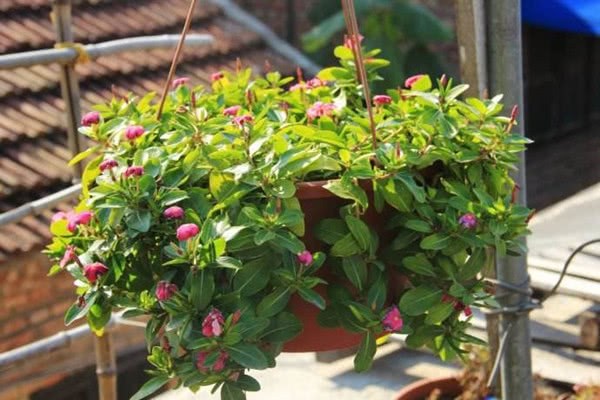
Balcony plants not growing well? These 3 key elements are all indispensable
Balcony plants not growing well? Growing flowers on a balcony mainly depends on 3 factors: sunlight, ventilation, and watering. The experience is as follows: 1. Sunlight. Sunlight has two most important roles for plants: first, photosynthesis produces the necessary nutrients that sustain life...
-
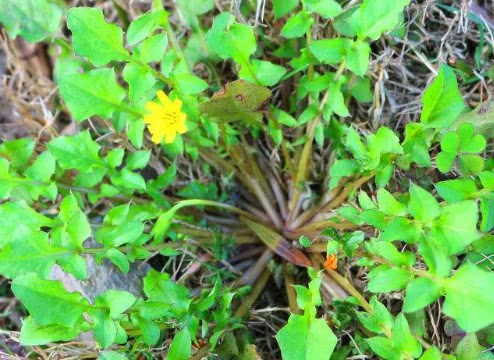
Got tanned in summer? Eating a little of these wild vegetables every day can whiten your skin
Yellow cress (Youngia japonica) is a biennial herb. It reproduces by seed. It germinates and emerges in autumn, overwinters as seedlings, turns green again the following year for vegetative growth, and flowers and fruits from April to September. The seeds fall off as they mature and are dispersed by the wind with the help of their pappus. Yellow cress clears heat, detoxifies...
条件筛选