These several wild vegetables can lower blood pressure and blood lipids, and can also help prevent heart disease
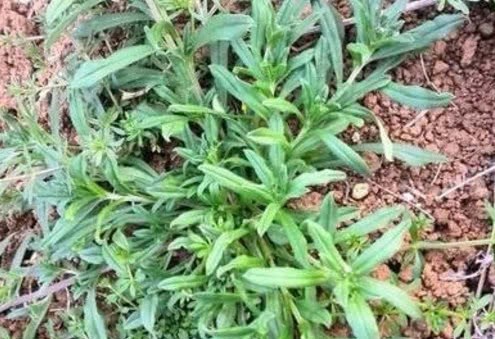
Maoni cai (Cerastium glomeratum, sticky mouse-ear chickweed) is a type of wild vegetable. It is a wild vegetable of wheat fields distributed in Henan and northern Anhui, with flowers in two colors, white and red. The seeds are brown. The taste is slightly astringent, and it is non-toxic. It is rich in amino acids and other trace elements. During the three years of natural disasters, this wild vegetable saved countless lives. It has effects such as cleansing the blood, lowering blood pressure and blood lipids.
Yinchen (Artemisia capillaris, capillary wormwood), also known by other names such as niuzhi (oregano), haozizhua, tiannaili, yinchen, maxian, mian yinchen, ronghao, xiyie qinghao, and anlücao, clears heat and drains dampness; it relieves jaundice. Main indications: jaundice, difficult urination, damp sores and itching, infectious icteric hepatitis, and so on. Pharmacological studies show it has choleretic effects, protects liver function, reduces fever, is anti-inflammatory, lowers blood lipids, lowers blood pressure, and dilates coronary arteries. The seedlings of yinchen are mostly curled into clumps, with the whole plant densely covered in white hairs, grayish-green, soft as velvet; the stems are 7-10 cm long, thicker at the base, and the intact leaves are mostly stalked, connected to the slender stems, with leaf blades split into thread-like segments. The leaves are mostly split into thread-like strips, soft as down; the odor is faintly fragrant, and the taste is slightly bitter. The best quality is young and tender, soft, grayish-white, and strongly aromatic.
The flower stalks and tender leaves of Chinese kale (Brassica oleracea var. alboglabra) are crisp and tender in quality, light and crisp, crisp without being hard, and crisp without being tough. They are best stir-fried, such as Chinese kale with beef or stir-fried pork kidneys. The Cantonese characteristic of stir-frying Chinese kale is to add a small amount of soy sauce and sugar for seasoning, and add a small amount of cooking wine before taking it off the heat. It can also be blanched in boiling water and served as a cold dish. Another unique bitter component in Chinese kale is quinine, which can inhibit an overexcited body temperature center and play a role in relieving summer heat and reducing fever. It also contains a large amount of dietary fiber, which can prevent constipation. It has effects such as lowering cholesterol, softening blood vessels, and preventing heart disease. It has effects such as promoting diuresis and resolving phlegm, detoxifying and dispelling wind, relieving summer heat and reducing fever, relieving fatigue, and clearing the heart and brightening the eyes. It can moisten the intestines and clear heat, reduce deficient fire, and stop gum bleeding, and it also has auxiliary therapeutic effects on heavy heat in the stomach and intestines, insomnia from staying up late, rising deficient fire, and swollen and bleeding gums.