-

Two rare mushroom varieties suitable for summer and autumn cultivation
1. EC55 long-root mushroom (Oudemansiella radicata). Its fruiting body is tall and upright, beautiful and attractive, shaped like an open sun umbrella, with a cap (pileus) 8-15 cm wide, light coffee-colored, and a stalk (stipe) 20-55 cm tall, 1-2 cm thick, white to light brown, with white flesh, fine and delicate texture, crisp and tasty stalk, and delicious flavor. It has high nutritional and medicinal value, rich in protein, amino acids, carbohydrates, vitamins and various mineral elements. Regular consumption can strengthen the body and boost human immunity, and for patients with high blood pressure
-
New yellow peach cultivar Golden Crown suitable for canning and fresh eating
'Golden Crown' (see color photo on inside back cover) is a superior yellow peach line for both canning and fresh eating, selected by the authors in the 1990s from naturally cross-pollinated seedling progeny of 'Jinxiu' yellow peach. After years of multi-site regional trials and production test plantings in Shandong and Jiangsu, its traits are stable and its overall performance is excellent. In September 2006, it passed expert appraisal organized by the Shandong Provincial Science and Technology Department. Cultivar characteristics: The tree has an open posture and vigorous growth, with strong bud-break and branching ability. One-year-old branches are yellow-green, with a reddish tinge on the sunny side near the base; after entering the fruiting stage
-
What are the suitable varieties for protected cultivation of peach trees
1 Zaoxialu (1) Fruit characteristics: average fruit weight 90 g, maximum fruit weight 130 g; fruit round, fruit apex round and flat, two halves symmetrical. The ground color of the skin is light greenish white, with coloration on the fruit apex and sunny side, covering 50-70% of the surface. Down is sparse. Flesh milky white, flavor fairly sweet, aromatic; soluble solids 115%; clingstone, non-cracking pit, hard pit. (2) Growth and fruiting habits: tree habit open, tree vigor moderate. Many compound flower buds, flowers large-flowered type, abundant pollen, long, medium and short fruit branches all can bear fruit, fruit set rate
-
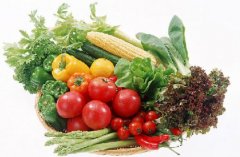
What are the reasons for the excessively high nitrate content in leafy vegetables and root vegetables?
Pesticide residues in vegetables and fruits have always been a concern for everyone, so what are the reasons for pesticide residues in vegetables and fruits? The problem of pesticide residues in vegetables and fruits is generally serious. Chen Shixiong, head of the Department of Agronomy at Chung Hsing University, pointed out that leafy vegetables are the crops most prone to nitrate residue. If you want to eat bok choy
-
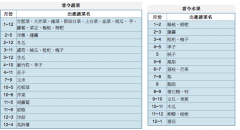
What does "in-season vegetables" mean? A guide to the timing of in-season vegetables now
In the past, vegetables were only produced within limited time periods, but now with new technology we can see any vegetable all year round; however, today's vegetables are not as nutritious as before. Every fruit and vegetable has a season best suited to its growth, called "
-
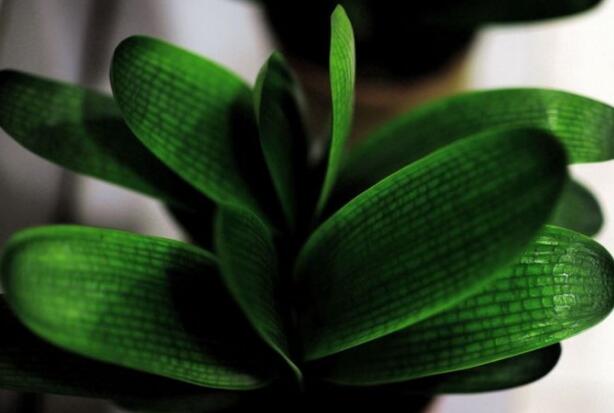
How to grow Clivia leaves so they are glossy: sufficient light, suitable temperature / wipe the leaves with clean water
Clivia, an ornamental flowering plant, kept at home not only beautifies the environment, but looking at its emerald green leaves when you get up in the morning is also very refreshing and pleasing to the eye. Because the Clivia flowering period is short, 6 parts of its beauty is shown in the leaves, so to make Clivia highly ornamental, making its leaves glossy is very important
-
How to grow potted water lilies: plenty of light and suitable temperatures
Water lilies are probably familiar to everyone. They are aquatic plants, and because they are highly ornamental, they are often kept at home by flower lovers. However, unlike other flowers, water-cultured water lilies are grown quite differently. As for how to grow water lilies, the two most important factors are: first, light, and second, temperature.
-
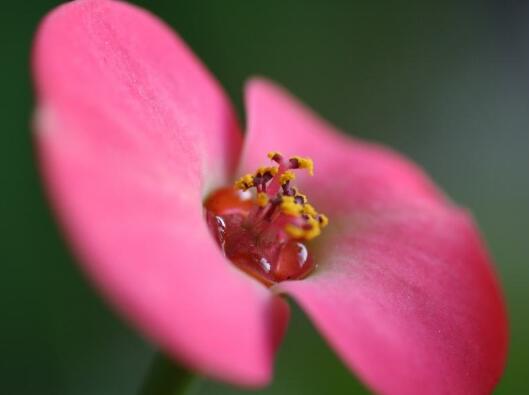
Is the crown of thorns plant toxic, and is it suitable to keep at home? There are pros and cons to growing it indoors
The crown of thorns (Euphorbia milii) is a highly ornamental flowering plant with rather vivid colors, which is why many people want to grow one at home. However, there is one thing to keep in mind: if you want to grow a plant at home, you first need to know whether it is toxic. On questions like whether the crown of thorns is toxic and whether it is suitable to keep at home
-

Which orchid species are suitable for growing at home
According to the different flowering seasons, Chinese orchids can be divided into: 1. Spring-flowering types (Chunlan, Cymbidium goeringii). The main cultivars include: Songmei, Xishenmei, Longzi, Cuiyipin, Wangzi, Cuigaihe, Yingchundie, Xiaodie, Wentunsu, Yuepeisulü, etc. 2. Summer-flowering types (Xialan). These include Huilan (Cymbidium faberi), Tailan, etc.
-
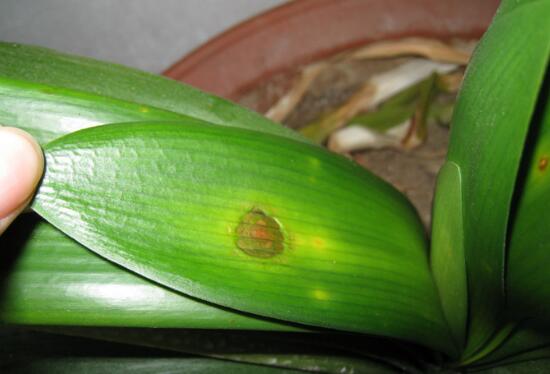
What to Do When Clivia Leaves Develop Spots? Spraying Fungicide, Changing Soil, and Reasonable Fertilization Are Key
The benefits of growing Clivia are something anyone who has kept one will deeply appreciate. Its leaves are thick, fleshy, and emerald green, making it highly ornamental, and it also has good feng shui significance, making it very suitable for indoor growing. However, during cultivation, for various reasons, the plant's leaves can develop spots. So what should you do when Clivia leaves develop spots? In response,
条件筛选