-

How to Grow Yulan Magnolia (Xinyi)? A Detailed Guide to the Latest Planting Methods
Xinyi belongs to the Magnoliaceae family. It is a commonly used Chinese medicinal herb, and some people also call it Wangchunhua (spring-welcoming flower). It is mainly used to treat headaches, nasal congestion, rhinitis and other symptoms, and can also dispel wind and disperse cold and soothe the lungs. At present, it is mostly found in Sichuan, Hubei, Henan, Hebei and other places in China.
-
What are the propagation methods for Yulan magnolia? A detailed guide to the latest techniques
Yulan magnolia, also known as magnolia and purple magnolia, is a plant endemic to China, mainly distributed in the southern regions. Its plant form is attractive, its flowers are gorgeous, and its fragrance is light and elegant, giving it high ornamental value. In addition, it is a traditional Chinese medicinal material and an extremely precious flowering tree. So how should Yulan magnolia
-
Detailed Introduction to the Latest Propagation Methods for Yulan Magnolia
Yulan magnolia, also known as Mulan, white yulan magnolia, etc., is a famous ornamental plant and traditional flower of the Magnolia genus in the Magnoliaceae family. It is native to various provinces in central China. It prefers warm and humid environments, is very sensitive to temperature, has a certain resistance to low temperatures, and can safely overwinter at -20C.
-
How to Grow Yulan Magnolia? A Complete Guide to the Latest Cultivation Methods
Yulan magnolia is a plant endemic to China, also known as magnolia, xinyi, mubi, etc. It is a famous early-spring ornamental flower and a deciduous shrub of the genus Magnolia in the family Magnoliaceae. When it blooms in early spring, the whole tree is covered with purple-red flowers, graceful and elegant, with a distinctive charm. It is suitable for planting in matching arrangements in front of halls and behind courtyards in classical gardens.
-
Latest Cultivation Methods and Precautions for Yulan Magnolia Explained in Detail
The Yulan Magnolia (Magnolia denudata) has flowers as white as jade and a fragrance like that of an orchid. Its flowering period is short, yet it can bloom continuously all year round. Many people love it for its extremely high ornamental value, and it is grown by many people all across the country. Its tree form is tall, with the tallest reaching up to 10 m. It can be placed indoors, but
-
Is the Yulan magnolia tree an evergreen or a deciduous plant?
Yulan magnolia, a name in Chinese medicine. Also known as magnolia and purple magnolia, it is a plant endemic to China, distributed in Yunnan, Fujian, Hubei, Sichuan and other places in China. So is Yulan magnolia evergreen or deciduous? Let's take a look! 1. Is Yulan magnolia evergreen or deciduous Yulan magnolia is a deciduous plant
-

How to Propagate Yulan Magnolia? A Detailed Guide to Yulan Magnolia Propagation Methods
Yulan Magnolia Propagation Methods
-
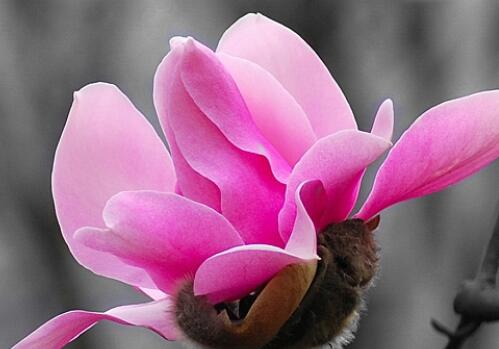
Yulan Magnolia (Magnolia denudata) Deciduous Tree: Planting, Harvesting, Blooming Period and Cultivation Techniques
Yulan magnolia (Magnolia denudata) has very high ornamental value; it is an ideal flower form for beautifying courtyards. Also known as white yulan, spring-watching flower, and yulan flower. So when is yulan magnolia (Magnolia denudata) generally planted and harvested? When does it bloom? How long is the blooming period? What are the cultivation techniques? According to Magnoliaceae information, yulan magnolia is also called spring-watching flower
-

What should be noted during the cultivation of Yulan magnolia?
Points to note when cultivating Yulan magnolia
-
Introduction to Yulan magnolia light-skinned Chinese quince and its cultivar characteristics
Yulan magnolia light-skinned Chinese quince. The fruit is oblong-oval with a few ridge-like protrusions. The peel is yellow-green during the growing period and turns yellow after ripening; the skin is thick, smooth, covered with a waxy layer, and bears relatively abundant bloom. The flesh is yellow-white, moderately juicy, with a high juice yield and a relatively strong fragrance. The single fruit weighs 500-1000 g, with the largest reaching 2100 g. The fruit ripens from late September to early October and stores well, keeping until February to March of the following year. The tree vigor is moderate, the tree posture is semi-spreading, the budbreak rate is relatively high, the branching ability is relatively strong, and the latent buds are long-lived; it has the habit of bearing fruit on axillary flower buds, mainly on relatively thick short fruiting branches and very short fruiting branches. It does not drop fruit before harvest and is early-bearing, high-yielding, and consistently productive.
条件筛选