-

Where are the latest production areas of Schisandra chinensis distributed?
Schisandra chinensis is the dried ripe fruit of the Magnoliaceae plant Schisandra chinensis or Schisandra sphenanthera, divided into two types, southern Schisandra and northern Schisandra. Northern Schisandra is superior to southern Schisandra. It is a traditional Chinese medicinal herb, and its production areas are distributed very widely in our country. Below, let us take a look
-
How to Grow Yulan Magnolia (Xinyi)? A Detailed Guide to the Latest Planting Methods
Xinyi belongs to the Magnoliaceae family. It is a commonly used Chinese medicinal herb, and some people also call it Wangchunhua (spring-welcoming flower). It is mainly used to treat headaches, nasal congestion, rhinitis and other symptoms, and can also dispel wind and disperse cold and soothe the lungs. At present, it is mostly found in Sichuan, Hubei, Henan, Hebei and other places in China.
-
A detailed guide to the seedling-raising methods for Kadsura coccinea, master the latest key techniques
Kadsura coccinea is a vine in the Magnoliaceae family, distributed throughout various regions of China. The fruit of Kadsura coccinea has relatively high nutritional value and is a fairly popular fruit. In addition, its roots can also be used medicinally, with effects such as promoting qi and blood circulation, reducing swelling and relieving pain. Therefore
-
When Is Magnolia Blooming Season? A Detailed Guide to Blooming Time
Magnolia is a deciduous tree of the Magnoliaceae family, also known as white magnolia, Wangchun, and yulan magnolia. It originated in the central provinces of China, and is now cultivated in Beijing and all areas south of the Yellow River basin. So when is the magnolia blooming season? Generally speaking, the magnolia blooming season is February to March (it also often blooms a second time from July to
-
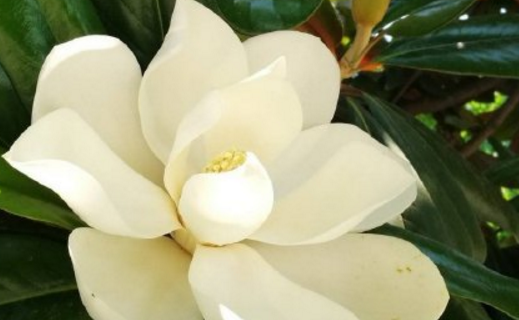
Magnolia grandiflora (Magnoliaceae): Why It Doesn't Bloom, Causes of Yellow Leaves, and Its Benefits and Uses
Magnolia grandiflora belongs to the Magnoliaceae family and is also known as the southern magnolia and lotus magnolia. So why doesn't Magnolia grandiflora bloom? What should you do when its leaves turn yellow? What benefits and uses does it have? According to the available information, Magnolia grandiflora grows best in bright light and tolerates slight shade when young. It prefers a warm, humid climate and has a certain degree of cold resistance.
-
What plant is Manglietia moto? Introduction to a tree species of the genus Manglietia in the family Magnoliaceae
Manglietia moto is an evergreen large tree of the genus Manglietia in the family Magnoliaceae. Because its flowers and fruits hang upside down from the branches, it is also known as weeping-fruit manglietia. The tree form is upright and graceful, the leaves are elegant and unusual, and the flowers are large and fragrant. The bark of Manglietia moto is dark gray, with lenticels, and smooth. The young branches, buds, young leaves, petioles, and fruit stalks are all densely covered with rust-brown tomentum, and the leaves are thickly leathery. The flowering period is from late April to mid-May, and the fruit ripening period is mid-to-late October. The aggregate fruit is ovoid, with wart-like protrusions on the back of the fruit. Manglietia moto is naturally distributed in Guangdong, Guangxi, Fujian, Hunan, and other places in China. Its resources are scarce, and it grows
-
Is purple magnolia a woody plant? A brief introduction to purple magnolia
Purple magnolia, of the genus Magnolia in the family Magnoliaceae, also known as Mulan and Xinyi, is a plant endemic to China, distributed in Yunnan, Fujian, Hubei, Sichuan and other places in China, growing in areas at an altitude of 300 m to 1,600 m, generally growing on hillsides at the forest edge.
条件筛选