-
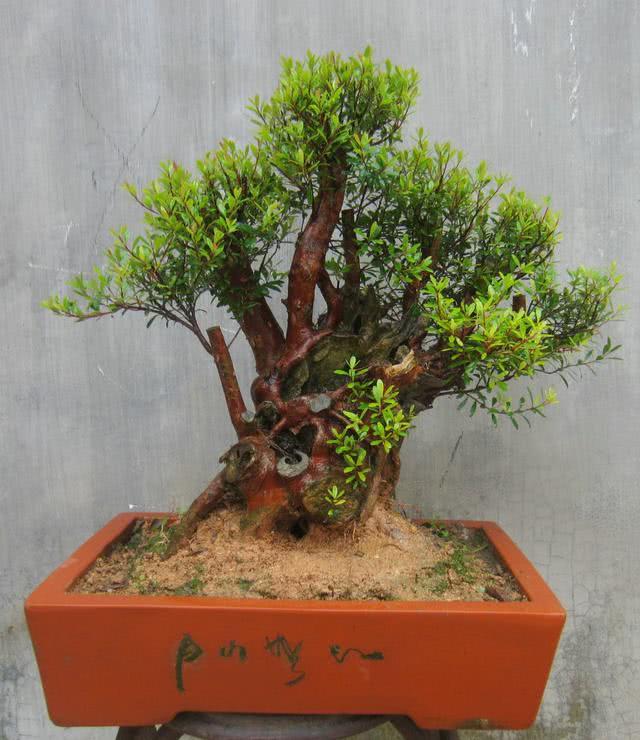
Syzygium buxifolium bonsai: crafting and care techniques, starting with choosing a good stump
Syzygium buxifolium can be divided into three types based on its leaves, but only the three-leaved whorled Syzygium buxifolium is suitable for bonsai. This plant is mostly found in the middle and upper reaches of the Yangtze River, and it is relatively easy to grow. Light is essential for it, and in dark, damp...
-

What tests do patients with interstitial lung disease need to undergo?
Interstitial lung disease is a major cause of susceptibility to or secondary development of pulmonary fibrosis, so it should be prevented as early as possible. First, when symptoms such as rapid breathing after only slight activity, and self-perceived crepitations and moist rales occur, proactive testing should be carried out...
-
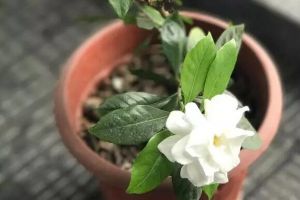
Acidic or alkaline soil making it hard to grow flowers? Sprinkle a handful of ash, water with a bit of vinegar, and let your flowers grow like crazy
Many flower lovers find it hard to get good potting soil, but actually flowers are not that demanding about soil. As long as it suits their "taste", any soil can be good soil for growing flowers. So why can't ordinary soil grow flowers well? It is mainly because the soil's pH level has not been properly managed!
-
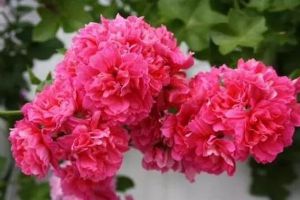
These 9 flowers look plain with single petals, but once double-flowered they are more beautiful than fairies
Once you have grown a lot of flowers, it is easy to become picky about varieties, always wanting to collect the most beautiful ones. Today, Huahua is going to recommend some double-flowered plants that are simply stunningly beautiful!
-

Mosquito bites itching and hurting unbearably in summer? Here's one trick to solve it easily with great results
Once summer arrives, mosquitoes become especially numerous and especially annoying, biting you all over until you're covered in bumps. The moment you scratch, your skin breaks open, and every day there's not a single spot on your arms or legs that's fine, all covered in bleeding wounds. So after hearing from people back home,...
-
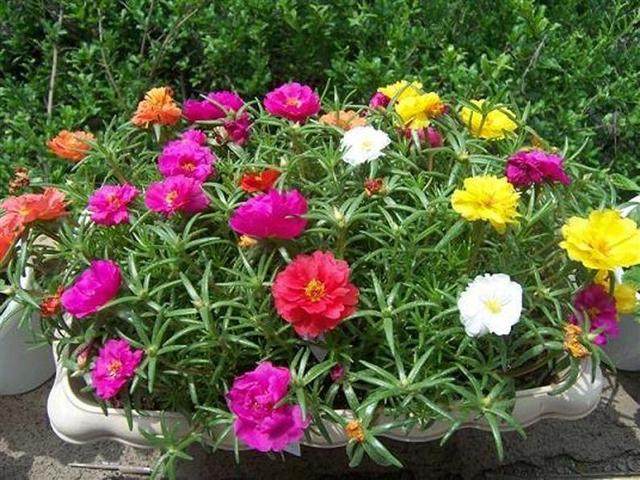
Potted plants with super-long blooming periods: keep two and enjoy flowers all year round
Friends who love growing flowering plants do so simply to admire the flowers, but as the saying goes, no flower stays red for a hundred days, so long-term flower viewing is not a given. Still, today we would like to recommend several flowers with super-long blooming periods. Large-flowered purslane...
-

A tiny patch of land, and I am willing to be obsessed with tending my garden
Living on the top floor, there is a front terrace and a back terrace, both not large. When the back terrace was originally renovated, two-thirds of its area was made into a sunroom. Now I feel like tearing down the sunroom at any moment: I want to grow flowers, I want to grow flowers, I want to grow flowers!...
-
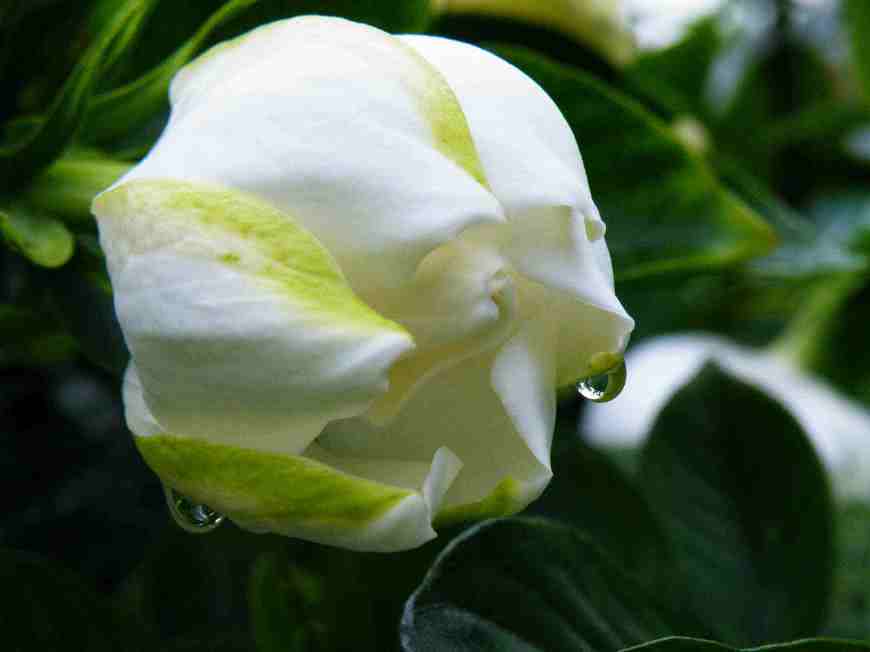
Use a little "de-yellowing water" for yellow leaves on gardenias; the leaves turn oily green and the flowers grow big, with no yellow leaves for 2 years
More and more people like growing flowers, and what problem are they most afraid of when growing flowers? I think it's nothing other than the ones that should bloom not blooming, the places that should be green not being green, or not blooming and also having yellow leaves - that is the most headache-inducing of all! When caring for gardenias, also...
-
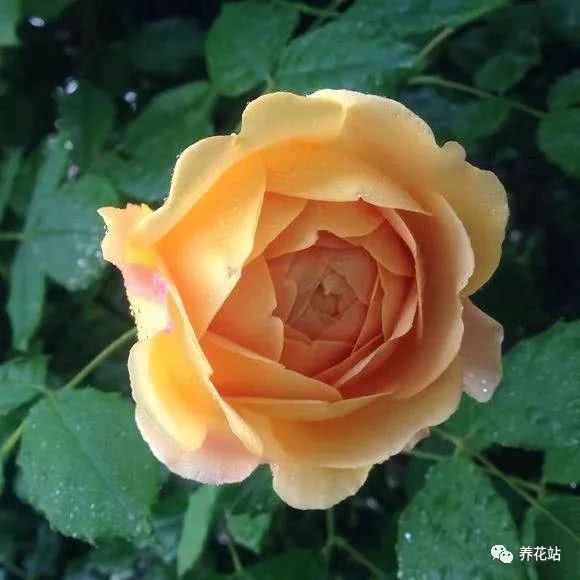
Tired of pothos? Grow a wax plant (Hoya) instead, with its unusual flower shapes and pleasant fragrance, perfect for a balcony
Follow the gardening site to get more gardening tips! I wonder how many flower lovers have grown a wax plant (Hoya). The first time the editor saw this flower, I fell in love with it completely. The wax plant is a very lovely vine plant, with unusual and beautiful flower shapes, and the flowers...
-
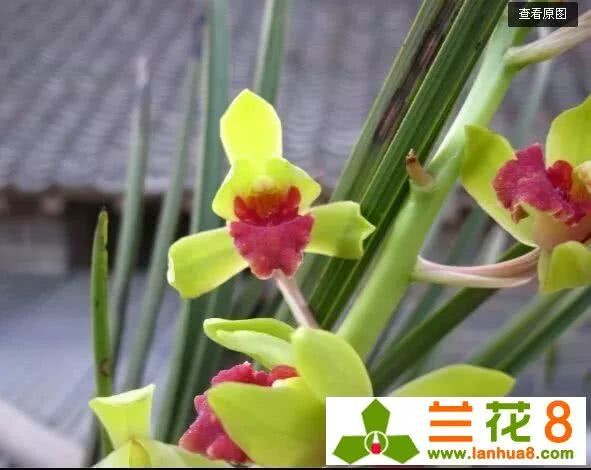
What to Do When Orchids Rot and Wither? Scientific Orchid Care to Stay Away from Orchid Killers
Promote Chinese orchid culture, spread orchid knowledge. Orchid Bar, your good teacher on the road of growing orchids. The so-called soil-borne infectious diseases refer to diseases whose pathogens mostly spread and infect from substrate materials. These diseases share one biggest characteristic: for orchids they are all devastating and catastrophic, in most cases fatal with no chance of survival, preventable but difficult to cure. General non-soil-borne infectious diseases are normally only damaging, such as damaging the leaf surface, causing spots, and harming the plant's integrity and ornamental beauty; such diseases can be both prevented and cured.
条件筛选