Acidic or alkaline soil making it hard to grow flowers? Sprinkle a handful of ash, water with a bit of vinegar, and let your flowers grow like crazy
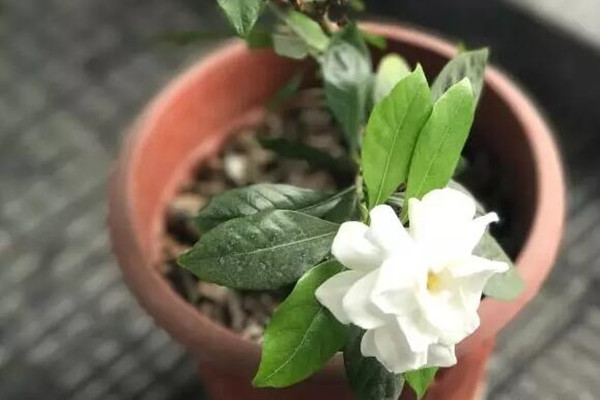
The acidity and alkalinity of soil
We generally assume that the north mainly has alkaline soil and the south has acidic soil, so how do we determine whether soil is acidic or alkaline?
1. pH testing
The more scientific way is to judge by pH value. Put the test strip in the soil solution for 10 seconds, take it out and compare the colour with the colour chart. If the value is less than 6.5, it is on the acidic side; if the value is greater than 7.5, it is on the alkaline side
2. General classification
According to common knowledge, soil that is darker in colour and softer is acidic soil
Alkaline soil is relatively dry, whitish and fairly firm, and generally comes in three types: calcareous soil, saline soil and alkaline soil
Flowers that like acidity and flowers that tolerate alkalinity
If you do not know whether your flowers like acidity or alkalinity, blindly using or changing soil is very risky. At best they will grow poorly, and at worst they will die right away!
Most flowers like slightly acidic soil, and only when the soil is a little acidic can they grow healthily. There are also alkaline-tolerant flowers that can grow well even if the soil is a bit alkaline
Acid-loving: Chinese rose, gardenia, jasmine, hydrangea, Aglaia odorata, camellia, white orchid, rhododendron, crabapple types, kumquat, pine types and so on
Alkaline-tolerant: pomegranate, banksia rose, rose of Sharon, wisteria, goji, oleander, elm-leaved spirea, winter jasmine, lilac and so on
If the soil around you is too acidic or too alkaline, the water will also tend to be acidic or alkaline. Even if you buy professional flower soil, as you grow the plants it will still gradually turn into unsuitable soil. At this point do not panic, because we can adjust the soil's acidity and alkalinity manually
Neutralising acidic soil
1. Sprinkle lime to neutralise acidity
The soil in Guangzhou, Guangxi or other mountainous areas of the south is too strongly acidic. Add to that the fairly serious environmental pollution nowadays, and in some areas the soil is strongly acidic and simply cannot be used to grow flowers!
Flower lovers can refer to the methods used by agriculture and forestry departments and sprinkle a bit of lime into the soil. For one pot of soil, about a handful mixed in evenly is enough. It kills pests and sterilises while also neutralising the acidity
2. Add water and filter to reduce acidity
Add water to acidic soil, let it settle for half a day, then pour the water off, add water again and repeatedly "wash" it 2-3 times. This can reduce the soil's acidity
3. Plant ash to neutralise acidity
Plant ash is also an alkaline flower fertiliser. It can neutralise the soil's acidity and also sterilise and supplement nutrients for the flowers
For succulents, pothos and Chinese roses, which like slight acidity and cannot tolerate strong acidity, you can mix plant ash into the flower soil (be careful not to use too much, as it easily burns the roots). It is a very good alkaline fertiliser
Turning alkaline soil acidic
1. Mix in leaf mould to increase acidity
Flower lovers in the north have alkaline soil around their homes. You can mix in some dead leaves, pine needles and so on. It is best to let them rot first before use, as then they are finer and flowers can root more easily
Leaf mould is a very nutritious acidic fertiliser. As an old poem says, "Fallen blossoms are not heartless things; turned into spring mud, they protect the flowers even more"
2. Mix in manure soil to increase acidity
Alkaline soil can also be mixed with manure soil. Whether it is poultry or livestock manure, or even earthworm castings, all can be used~
Be careful not to add too much. Generally, for a 2-gallon flower pot, mixing in 2-3 handfuls of manure soil is enough. Too much easily burns the roots
3. Add chemical granules to quickly remove alkalinity
There are professional sulphur powder, ferrous sulphate and aluminium sulphate sold on the market. Flower lovers can add them directly to alkaline soil according to the instructions, and they can quickly change the soil's alkalinity
Especially for flowers like hydrangea and Chinese rose that are relatively sensitive to soil acidity and alkalinity, these chemical granules can quickly change the colour of the flowers
Hydrangeas turn blue in acidic conditions and pink in alkaline conditions, so everyone can control their colour according to preference
After reading this
Is the soil in your home acidic or alkaline?
If you want to change the acidity or alkalinity of your flower soil
Then hurry up and give it a try