What tests do patients with interstitial lung disease need to undergo?
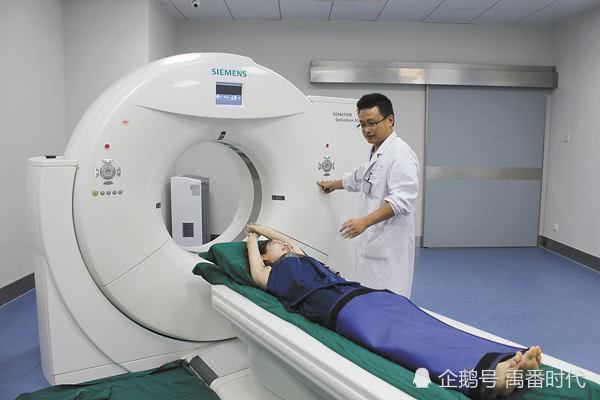
Interstitial lung disease is a major cause of susceptibility to or secondary development of pulmonary fibrosis, so it should be prevented as early as possible. First, when symptoms such as rapid breathing after only slight activity, and self-perceived crepitations and moist rales occur, proactive testing should be carried out. With the help of chest X-ray fluoroscopy, chest radiography, and CT, bronchoalveolar lavage, pulmonary function tests, lung biopsy, etc., interstitial lung disease, or ILD, can be confirmed or ruled out.
CT examination for interstitial lung disease
On chest X-ray fluoroscopy or chest radiographs, ILD patients may show diffuse shadows, or the rare nodular interstitial shadows, with lung volume generally normal. In special areas, there may also be bronchial wall thickening, prominence of the peribronchovascular interstitium, regular or irregular small shadows, and small peripheral ring-shaped shadows.
CT examination is also one of the effective methods and means for early detection of interstitial lung disease. It will show irregular linear reticular changes within the lung, and cystic small air spaces may also form. If it is early stage, these small air spaces are subpleural, and these small air spaces also interconnect to form obvious subpleural lines, etc. Combined with the restrictive ventilatory impairment and reduced diffusion capacity seen on pulmonary function tests, all of these are verifying interstitial lung disease.
Clubbing fingers in interstitial lung disease
Then bronchoalveolar lavage and lung biopsy are performed, further classifying the disease through cytology, etiology, biochemistry and inflammation testing. Tracheal cell lavage fluid, or BALF, can be used for lavage. According to the proportion of cells in the immune effects of BALF, interstitial lung disease is determined to be the lymphocyte-predominant type or the neutrophil-predominant type. Laboratory tests show nonspecific changes, such as arterial blood gas indicating hypoxemia, increased erythrocyte sedimentation rate, elevated blood lactate dehydrogenase and increased immunoglobulins.
If you have questions or need help, you can call 01062170649 13269852331