Syzygium buxifolium bonsai: crafting and care techniques, starting with choosing a good stump
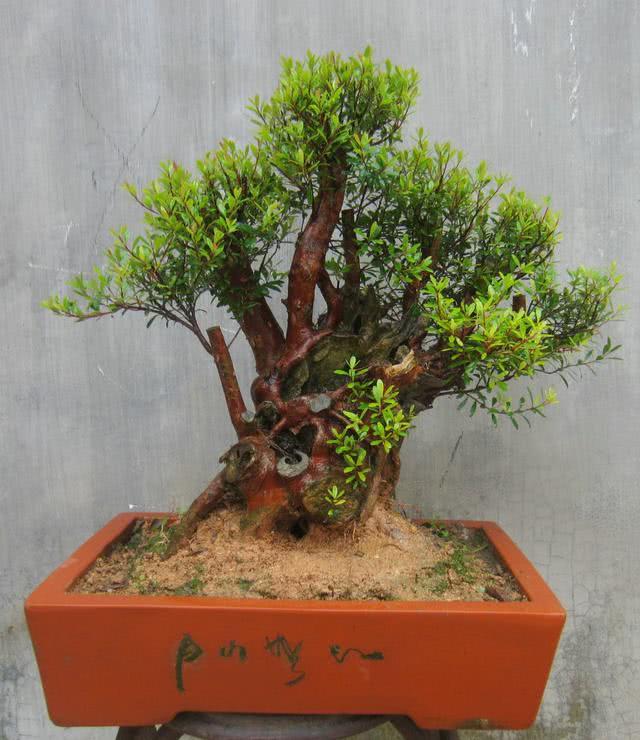
Syzygium buxifolium can be divided into three types based on its leaves, but only the three-leaved whorled Syzygium buxifolium is suitable for bonsai. This plant is mostly found in the middle and upper reaches of the Yangtze River, and it is also relatively easy to grow. Light is essential for it, and it can survive well even in dark, damp, and cold environments, except in severely cold regions. It stays evergreen all year round, its wood is hard, and it is very long-lived.
The first step in making a Syzygium buxifolium bonsai is collecting the stump. The time for collecting stumps is generally chosen during its growing season, from March to August each year. Its stumps recover vitality easily, as long as they are in a humid and shaded environment, so summer is the best time for recovery. Stumps dug in autumn and winter are not so easy to revive, and it is extremely intolerant of cold, with a relatively low survival rate. Only by strictly controlling the environmental temperature and humidity can it get through winter, but the cost of doing so is relatively too high.
The best place to collect stumps is on poor-soil cliffs and steep slopes. Syzygium buxifolium generally survives in greater numbers in this kind of environment, and the environment shapes its stump material into various postures, with the survival rate after digging generally also relatively high. When digging, be sure to keep the fibrous roots. As for soil, it does not need to be carried along. For roots and branches, first leave an extra section before processing later, to prevent damage during transport, and be sure to keep them moist.
After collecting the stump is completed, the stump material must be cared for. After pruning and cutting, treat the cut surfaces on the roots to make them smooth, then mix with rooting agent and seal the cuts with clean yellow clay. Finally, place it inside black plastic film. The purpose of doing this is to reduce water loss and aid wound recovery. The soil generally used when potting is slightly acidic leaf mold.
For potting, choose a relatively deep purple clay pot. During potting, be sure to make the stump material and soil fit tightly, and water thoroughly the first time. Finally, seal it with a transparent plastic bag and place it in a sunny, wind-sheltered spot, and pay attention to the temperature inside the bag, otherwise the new buds are easily scorched. In terms of shaping, in the first two years after survival, mainly use wiring; afterward, use pruning. In addition, branch tips after bending have ornamental value.
For care, the main approach is to start from the habits of Syzygium buxifolium. It relatively likes light, so it is best to place it in a bright spot, and pay attention to environmental humidity. If it lacks light, the amount of fibrous roots will decrease, making it very hard to survive winter. In terms of water needs, generally when the soil is seen to be dry, follow the principle of watering thoroughly, but be careful in autumn and winter. If there is less water in autumn, it will drop a large number of leaves. Before winter arrives, the soil must absorb enough water and must not be frozen dry. Of course, attention must also be paid to keeping it warm. Pests and diseases are mainly termites, longhorn beetles, and the like, so once discovered they must be dealt with promptly, otherwise the plant is prone to dying.