-
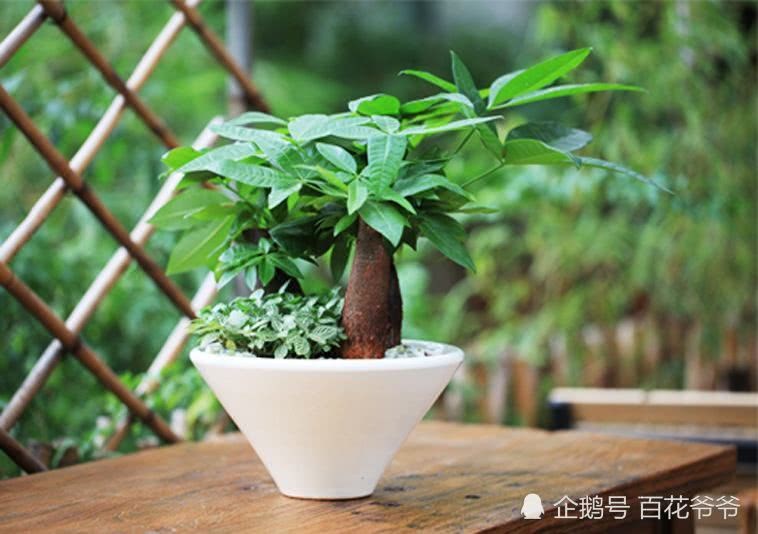
Flowers that actually grow better without watering for ten days to half a month, especially suitable for beginners
Instead of fretting every day over whether to water your flowers, beginners would be better off growing some especially drought-tolerant flowers. Even if you leave them alone for ten days to half a month, they will still grow perfectly well. They are especially suitable for beginners and lazy gardeners, and you never have to worry about watering...
-

Pothos in summer with watermelon rind and rice water: old flower growers say it's a perfect match for vigorous growth and glossy green leaves
Pothos is a very common houseplant, deeply loved by many flower enthusiasts, with its variegated leaves, evergreen all year round, and trailing long vines. Just place a pot anywhere at home and it brings a touch of green. Pothos has strong vitality and grows quickly, so it needs plenty...
-
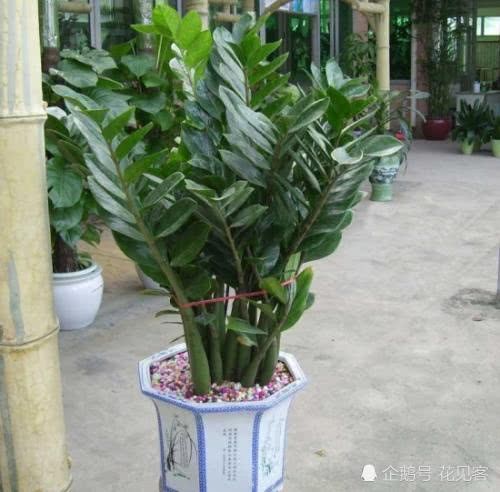
Summer care for green plants: wipe and water them with this green water, and the leaves will be so green they glisten
Many flower lovers keep some green plants at home, such as schefflera, money tree, snake plant... these are very common, they can decorate the home and also improve air quality. As summer arrives, these green plants often develop yellow leaves...
-

What are the weed molds and insect pests of the oyster mushroom (Pleurotus sajor-caju)? With cultivation pictures
What weed molds and insect pests are there in cultivating the oyster mushroom (Pleurotus sajor-caju)? What good methods are there to control them? Netizens are asked to share. The weed molds and insect pests that need to be controlled in cultivating the oyster mushroom (Pleurotus sajor-caju) are: molds, Coprinus fungi, mushroom flies and mites; the detailed control methods can be found in the list below. Prevention methods for weed molds and insect pests of the oyster mushroom (Pleurotus sajor-caju): 1. Environmental pre...
-

How to cultivate oyster mushrooms (Pleurotus pulmonarius) under tree shade? With cultivation pictures
I heard that oyster mushrooms can be cultivated under tree shade. How do you cultivate oyster mushrooms under tree shade? Is there anyone online who can explain? Oyster mushrooms can indeed be cultivated under tree shade, generally from March to June and from August to November each year; for detailed methods, refer to the following list: Method for making beds for oyster mushrooms: the bed site should be chosen...
-

How to grow oyster mushrooms (Pleurotus sajor-caju) indoors? With cultivation pictures
How do you grow oyster mushrooms (Pleurotus sajor-caju) indoors? Is there anyone who can help explain the method to me? There are many methods for indoor cultivation of oyster mushrooms (Pleurotus sajor-caju), such as: plastic bag cultivation, grain cultivation, box cultivation and bed cultivation; the more commonly used are bed cultivation and box cultivation; below is a detailed introduction to bed cultivation (for reference). Oyster mushroom (Pleurotus sajor-caju) bed...
-

How to grow phoenix mushroom well? With detailed cultivation pictures
How to grow phoenix mushroom well? I hope someone can introduce the method to me. The phoenix mushroom has a short production cycle (50-60 days), a wide range of substrate sources, simple production equipment, and low investment. Empty rooms, warehouses, greenhouses, vegetable cellars, etc. can all be used as sites for shelf-bed mushroom sowing, so the phoenix mushroom is quite easy to grow. The detailed cultivation method can be...
-

The fruit of the Coriaria nepalensis (Chinese coriaria) turns from bright red to purplish black, tastes sweet with a slight astringency, and is highly poisonous; never eat it by mistake.
Coriaria nepalensis fruit, also known as poison empty wood, water coriaria, duck-feed wood, chicken-plague firewood, and horse saddle, among other names, is a plant of the family Coriariaceae, growing on hillsides or in mountain gullies, and is commonly seen in the southern provinces of our country. The Coriaria nepalensis fruit is pea-sized, round and fleshy, and green when unripe...
-

Key Technical Points for Cultivating Shaggy Mane Mushroom (Coprinus comatus) with Distiller's Grains
Distiller's grains are a good raw material for cultivating edible mushrooms. Their nutrient composition is suitable for the mycelial growth of shaggy mane mushroom (Coprinus comatus) and other mushrooms, which can both reduce the cost of edible mushroom production and solve environmental pollution. Distiller's grains contain a small amount of ethanol and active yeast that are harmful to mycelial growth, and are highly acidic, with a pH value of about 3-5. Choose fresh...
-

Detailed Guide to Growing Mushrooms with Cow Manure, with Pictures and Videos
With the rapid development of the cattle industry today, manure pollution has become a major problem. According to relevant data, in some places, the environmental pollution caused by cow manure has exceeded the total amount of industrial pollution, and in some cases is even more than 2 times higher. A dairy cow produces more than 7 tons of manure each year, while a yellow ox produces between 5 and 6...
条件筛选