-
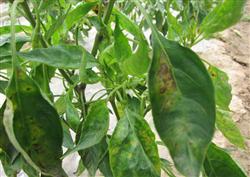
What Is Pepper Anthracnose? Understanding the Disease's Characteristics in One Article
What is pepper anthracnose? What methods can be used to control pepper anthracnose? Please help explain. Anthracnose is a major disease of peppers, spreading quickly under high temperature and high humidity conditions, with a long period of damage, often causing considerable losses. Peppers can develop anthracnose throughout the entire growth period, and anthracnose mainly damages leaves and fruits...
-
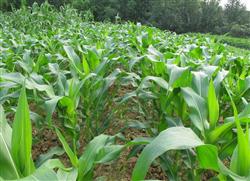
How is corn bred? Understanding corn breeding methods in one article
How is corn bred? Please explain corn's natural cross-pollination habit and the heterozygosity of its genetic basis, as well as the breeding procedure that exploits the heterosis of F1 generations between inbred lines arising from this, which together form the particularity of corn breeding. With almost no exception, every successful corn breeder and research institute starts from...
-
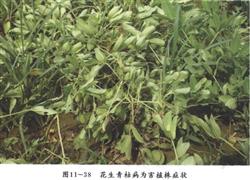
How to prevent and control peanut bacterial wilt? Understanding the patterns of occurrence is key
Peanut bacterial wilt, commonly known as "green wilt", "seedling death", "plague", and "vine death", is a major disease in peanut-growing areas. In ordinary plots, the disease incidence is 10%-25%, and in severely affected plots the incidence reaches over 50%. Peanut bacterial wilt is a typical vascular disease that can occur throughout the entire growth period of peanuts, but...
-
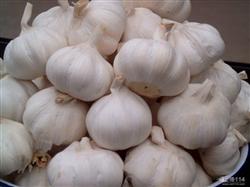
How to fertilize garlic for high yields? Understanding its nutrient requirements is key
Garlic is a bulb crop with a high nutrient demand and relatively good tolerance for fertilizer. It is suited to cultivation in sandy loam soil rich in organic matter, with a loose and fertile topsoil, comprehensive nutrition, and good water- and fertilizer-holding capacity and aeration. According to research: for every 1000 kg of fresh garlic produced, 4.5-5 kg of nitrogen, 1.1-1.3 kg of phosphorus, and 4.1-4.7 kg of potassium are required, in a ratio of 3...
-

What are the precautions for fertilizing mushrooms? Understanding the key points in one article
Precautions for fertilizing mushrooms
-

How to control onion maggots? Understanding the occurrence characteristics is key
I. Damage symptoms Onion maggot larvae bore into and feed on garlic bulbs, causing the bulbs to rot, and the above-ground leaves to turn yellow, wilt, and even die. Pulling out affected plants reveals maggot pupae; the damaged garlic skin shows yellowish-brown rot, the garlic heads are bored into holes by the larvae and become incomplete, with the cloves exposed and split open, accompanied by a foul odor. Affected plants are easily pulled out and break off. II. Occurrence characteristics Onion maggots can cause damage before winter, pupate and overwinter after winter sets in, and begin to emerge as adults from the pupae in March of the following year. Adults lay eggs around the garlic roots
-
For high garlic yields, understanding its fertilizer requirements is key
Garlic is a bulb crop with a high fertilizer demand that is also relatively tolerant of heavy fertilization. It is best grown in sandy loam soil rich in organic matter, with a loose and fertile topsoil, complete nutrition, good water and fertilizer retention, and good aeration. According to research: for every 1000 kg of fresh garlic produced, 4.5-5 kg of nitrogen, 1.1-1.3 kg of phosphorus, and 4.1-4.7 kg of potassium are required, in a ratio of 3:1:3. Therefore, on the basis of fully understanding garlic's growth characteristics and fertilizer requirements, applying scientific fertilization is the key to achieving high-quality, high-yield garlic. According to garlic's growth characteristics and
-
Are Organic Vegetables Really Safe? A Proper Understanding of Organic Vegetables
I believe everyone, every time they go to the vegetable market to buy vegetables, asks those vegetable vendors whether the vegetables they sell are organic vegetables? In fact, most of them do not know what...
-
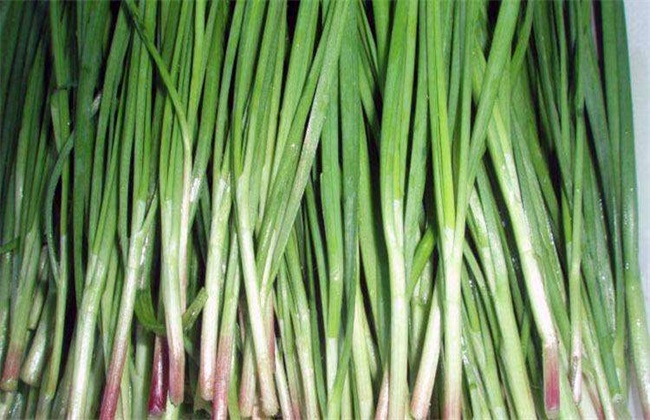
How to grow red chives? Understanding the key cultivation techniques in one article
Red chive cultivation techniques
-
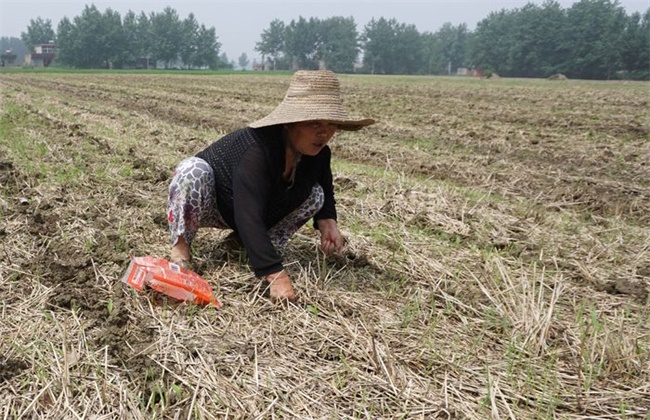
Understanding Corn Replanting Methods and Precautions in One Article
Corn Replanting Methods and Precautions
条件筛选