-
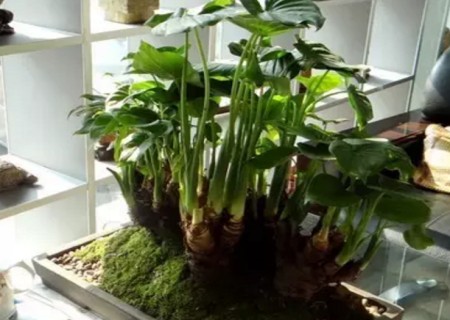
How to make a Dieffenbachia (Alocasia) bonsai? Detailed method tutorial shared
Dieffenbachia, also known as Tianyu, Guanyin Lotus, Gupo Yu, etc., is a large evergreen herbaceous plant of the genus Alocasia in the Araceae family, originally from the primitive forests of Southeast Asia and Australia, and also found in South China and Lanyu, Taiwan, China and other places. In northern China it needs to overwinter indoors, while in the south it can grow in the open ground. Its corms and leaves can be used medicinally but are highly toxic
-
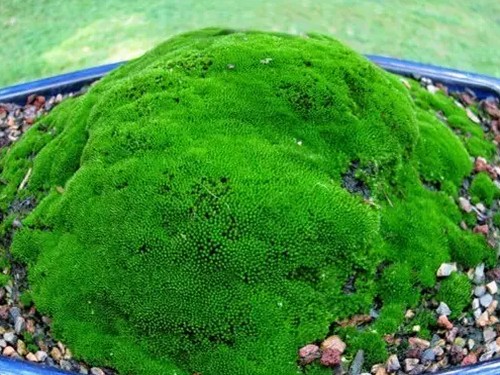
How to make a moss bonsai? Detailed step-by-step tutorial
Today, moss bonsai has been well cultivated. As a very special plant, it has many characteristics such as a high survival rate, but during cultivation, special attention must be paid to the invasion of other higher plants, so no matter what, the cultivation process of moss bonsai plants is also the most critical part. How about it
-
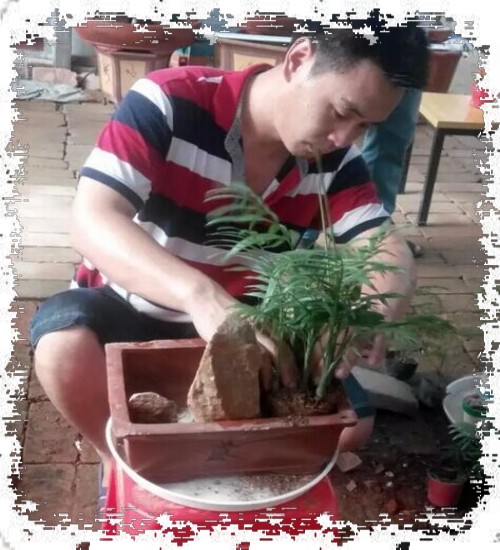
How to make a landscape bonsai? DIY illustrated tutorial explained in detail
Without further ado, today let's first look at the pictures: bamboo + Buddhist pine (Podocarpus macrophyllus) rock-and-stone bonsai; bamboo + pennywort (Hydrocotyle vulgaris) landscape bonsai; parlor palm (Chamaedorea elegans) + Buddhist pine landscape bonsai; parlor palm + Buddhist pine rock-and-stone bonsai. How do they look? After seeing the pictures above, don't you want one too?
-

Bonsai Making Tutorial: Teach You to Make Bonsai That Resemble Furniture
This is not some novel piece of furniture; it is a prison for plants... This work by Russian Maxim Scherbakov is called Plantscape, an experimental project challenging plants to survive in unsuitable environments. The installation is made up of many different boxes.
-
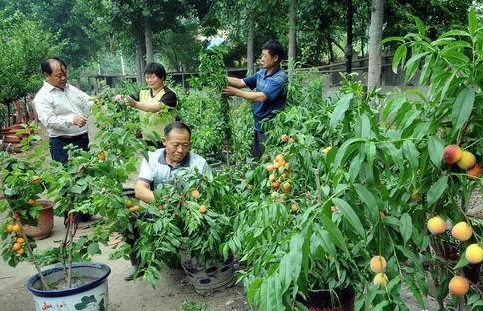
Detailed guide to making fruit tree bonsai, a step-by-step tutorial to help you learn it easily
Fruit tree bonsai often have a different ornamental effect from ordinary bonsai; they have a bit more vitality and liveliness than ordinary bonsai, rather than being so solemn and mature. When a fruit tree bonsai has too many branches, it easily causes the tree's nutrients to be dispersed. Therefore, before the fruit tree buds in spring
-
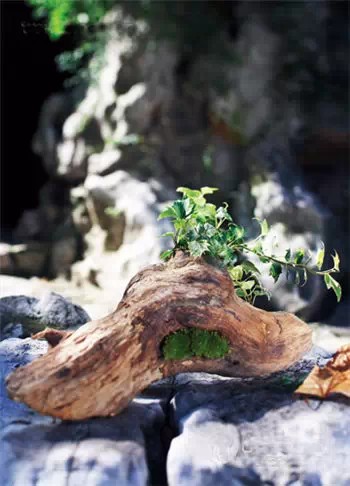
Detailed Tutorial on Making a "Dead Wood Comes Back to Life" Theme Bonsai
"Dead wood comes back to life" originally means that a tree that seems long dead regains its vitality in spring, sprouting green leaves and red flowers. Some thoughtful people have turned dead wood into a natural flower vessel, planting various plants in it to create another scene of dead wood coming back to life, full of vitality. The tree root itself is a container? Not only a home for moss
-
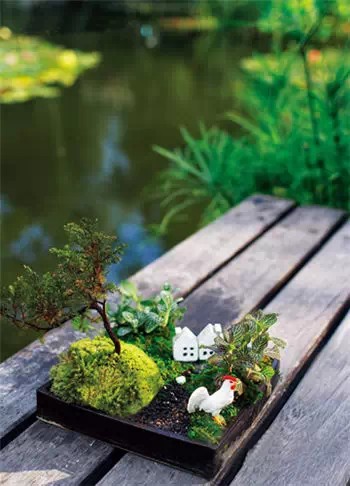
How to make a countryside path bonsai? Detailed tutorial shared
The countryside path bonsai is still made with the most ordinary green plants, and with the addition of a house and a rooster, it looks just like a prosperous rural scene. Materials: garden pine, nerve plant (Fittonia), moss. Making: First spread a layer of ceramic stones on the bottom of the pot, then add soil, and leave the shape of a path; plant garden pine and nerve plant in separate sections
-
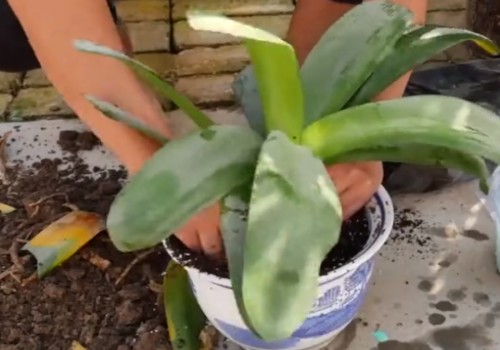
How to replant a Clivia after root rot? Detailed illustrated tutorial
Whether grown for its flowers or its foliage, Clivia has high ornamental value, but if watering is excessive, fertilizing is too heavy, or other care and management practices are improper, potted Clivia is also quite prone to root rot. Once Clivia root rot occurs, we need to take timely rescue measures
-
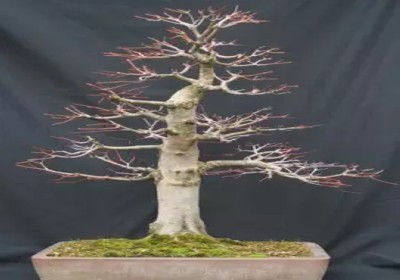
How to repot a maple bonsai? Repotting method illustrated tutorial
April is a good time to repot bonsai. Potted trees grow in limited potting soil; after a certain number of years, the fertility is exhausted, the soil layer becomes compacted, the roots are densely packed and squeeze each other, and new roots struggle to grow. It is best to switch to a larger pot and fill it with fresh soil (changing the soil without changing the pot is also fine) to ensure the normal growth of the potted tree
-
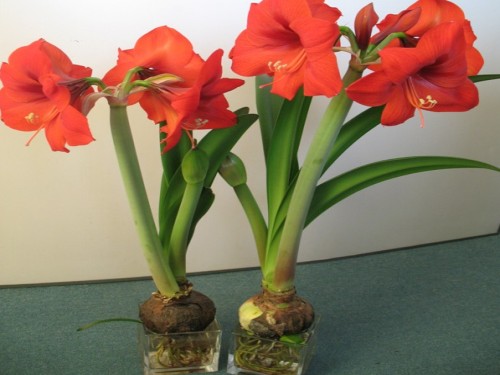
A detailed guide to growing Hippeastrum (amaryllis) in water, a step-by-step tutorial
In the blooming season where spring meets summer, the Hippeastrum delights the eye with two flowers borne opposite each other on the scape. Its blooms are large and brightly colored, funnel-shaped and much like a lily, making it highly ornamental. The Hippeastrum, also known as amaryllis, is a perennial herbaceous flower of the Amaryllidaceae family.
条件筛选