-

Pruning Methods and Technical Key Points for Young Bearing Apricot Trees
How to prune young bearing apricot trees? The main task of pruning young bearing apricot trees is to continue developing good scaffold branches, develop good fruiting branch groups, expand the canopy, promote canopy development, and promote early production. Young bearing trees still have a large growth volume, and pruning should still balance three aspects: shaping, expanding the canopy, and fruiting. In terms of pruning...
-
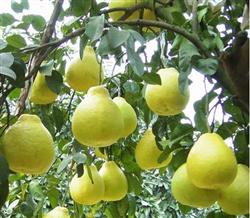
Applying phosphate fertilizer early and sufficient potassium fertilizer to pomelo trees can achieve high yields
Pomelo, also known as honey pomelo, has branches, leaves and fruits that are thicker, wider and larger than those of citrus. It has high yields per mu and requires large amounts of fertilizer, making it the "big eater" of the citrus family. The main pomelo production areas are mainly in South China, where the soil is severely deficient in potassium, and the application rate of potassium fertilizer is roughly the same as that of nitrogen fertilizer. For balanced fertilization of nitrogen, phosphorus and potassium in pomelo, it is necessary to control nitrogen fertilizer, apply phosphate fertilizer early, and apply...
-
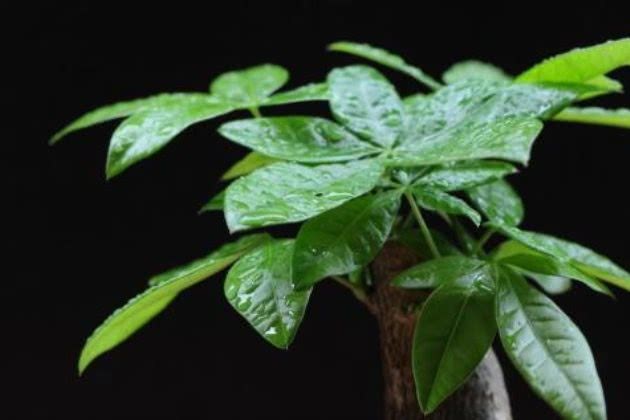
What are the watering methods and precautions for the money tree?
The money tree (botanical name: Pachira aquatica) is one of the indoor green plants that many people like to grow. Whether in company offices, lobbies, shopping malls or individual homes, the money tree can be said to be everywhere. The money tree is not only a...
-
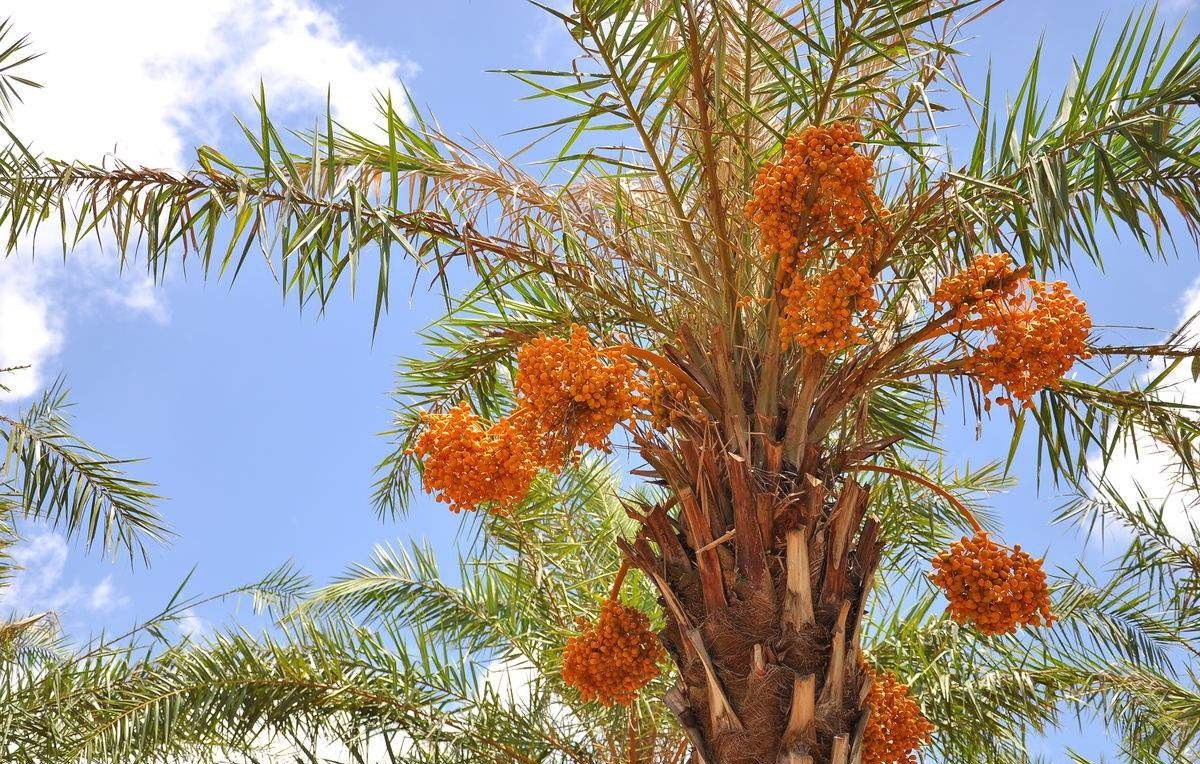
The king of fruits: one tree bears several thousand fruits, enough for a whole family to eat for an entire year
The plants and animals that survive in hot regions are no ordinary beings, and the "date palm," which likes to grow in tropical and subtropical regions, is a symbol of the extraordinary. Looking at its appearance, it resembles an ordinary palm tree somewhat, and a sago cycad somewhat, but they...
-
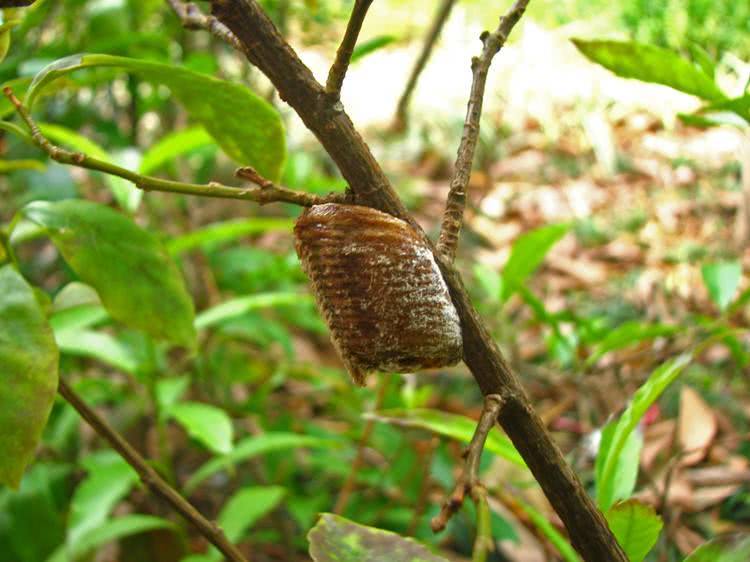
If you come across a "zouniaogou" on a mulberry tree, don't miss it, for it is now worth a fortune.
Speaking of folk "home remedies" for treating illnesses, they are all bizarre and varied, yet they are said to work wonders on even the most stubborn cases. Some of these folk prescriptions really do hit the mark with remarkable accuracy, but their raw materials are rather peculiar. Especially for children who grew up in the countryside, chances are they all have...
-
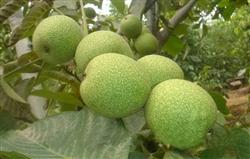
A Detailed Guide to Identifying and Controlling Walnut Tree Diseases
Pruning walnut trees while the branches are dormant causes wounds on the branches that bleed sap, leading to a serious loss of nutrients from the tree, weakened vigor, and dieback of branches. To prevent sap bleeding caused by pruning walnut trees, you should know the right pruning period and prune at the proper time. In spring, after the branches and leaves of the walnut tree have sprouted and the leaves have unfurled, this...
-
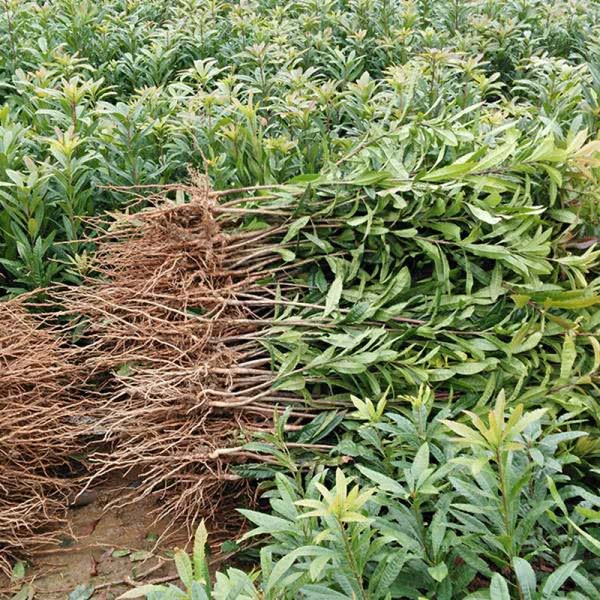
In the countryside there is wasteland, and planting this new type of fruit tree could be a path to prosperity
Dongkui bayberry saplings are cold-resistant and can be planted in pots in all four seasons. Bayberry, native to Yutao, Zhejiang, China, belongs to the genus Myrica in the family Myricaceae and is a small tree or shrub. It is one of China's specialty fruits. Dongkui bayberry saplings are cold-resistant and can be planted in pots in all four seasons...
-
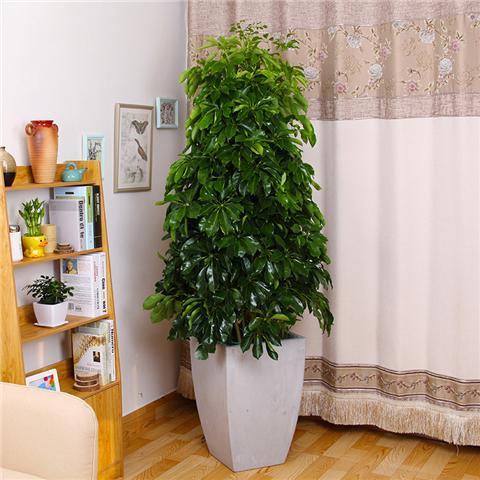
Fertilizing the Umbrella Tree: Tips for Dense, Lush, Glossy Green Foliage
The Umbrella Tree (Schefflera) is evergreen year-round. Grown at home, it adds natural vitality, purifies the air, and beautifies the environment. If you want to grow the Umbrella Tree well, fertilizing is key. Proper fertilizing keeps the foliage dense. Let's take a look at the fertilizing...
-
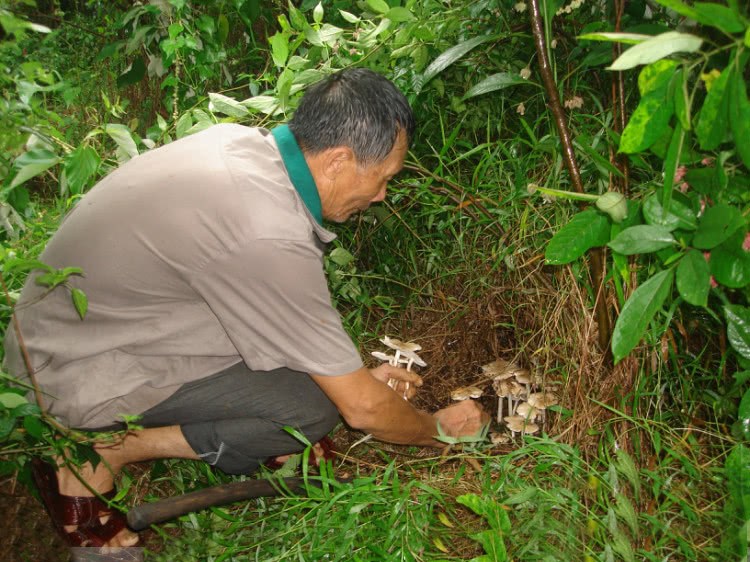
The king of mushrooms that only grows under lychee trees, you have to pick it with a flashlight, and its shelf life is no more than one day
When it comes to fungi, they are an enormous family, with a history on Earth of several hundred million years. Almost anywhere that is damp, dark and decaying, they can be found. Fungi are rich in nutrients and are eaten as a common vegetable. Although common, ...
-
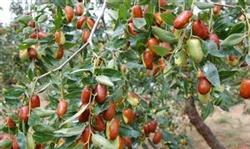
How to get more fruit set on jujube trees? Remember these three tips
1. Rationalized control. Before flowering (around early May), apply 0.5-0.75 kg of urea per large tree and 0.25 kg per young fruiting tree; after flowering, during the young fruit development stage (mid-to-late June), apply a nitrogen, phosphorus, and potassium compound fertilizer once more, about 0.75 kg per tree. At the early full-bloom stage, spray a 10-50 ppm gibberellin solution or at the full-bloom stage...
条件筛选