-
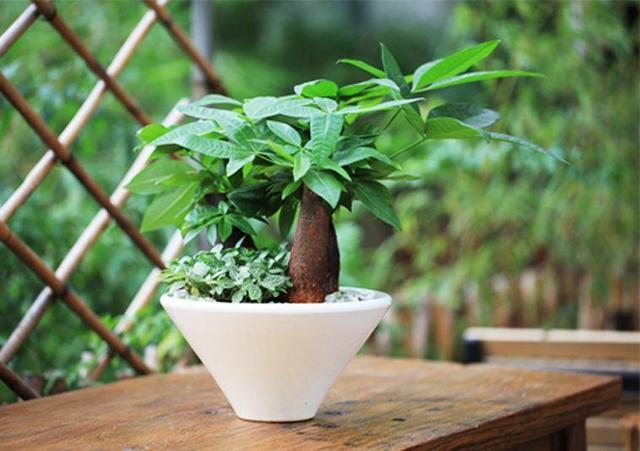
What to Do When a Money Tree Has Root Rot? Here's How to Bring Its Roots Back from the Dead
The money tree (Pachira aquatica) is a classic foliage plant, with broad leaves that stay green all year round. Growing one at home adds a distinctive touch of color to your living space. On top of that, the money tree is believed to bring wealth and prosperity, which is why it is so widely loved...
-
Detailed Explanation of Key Technical Points for Soil Testing and Formula Fertilization of Chestnut Trees
1. Main branch balancing (taking the three-main-branch open-center shape as an example). The main branches are the primary framework supporting all the branches. Before pruning, first carefully observe the orientation and growth vigor of the three main branches, have a clear picture in mind, and then make adjustments. For strong and vigorous main branches (with a large thickness ratio), strongly pull them to a wide angle, or use a side branch to replace the main branch extension head, combined with ring barking...
-
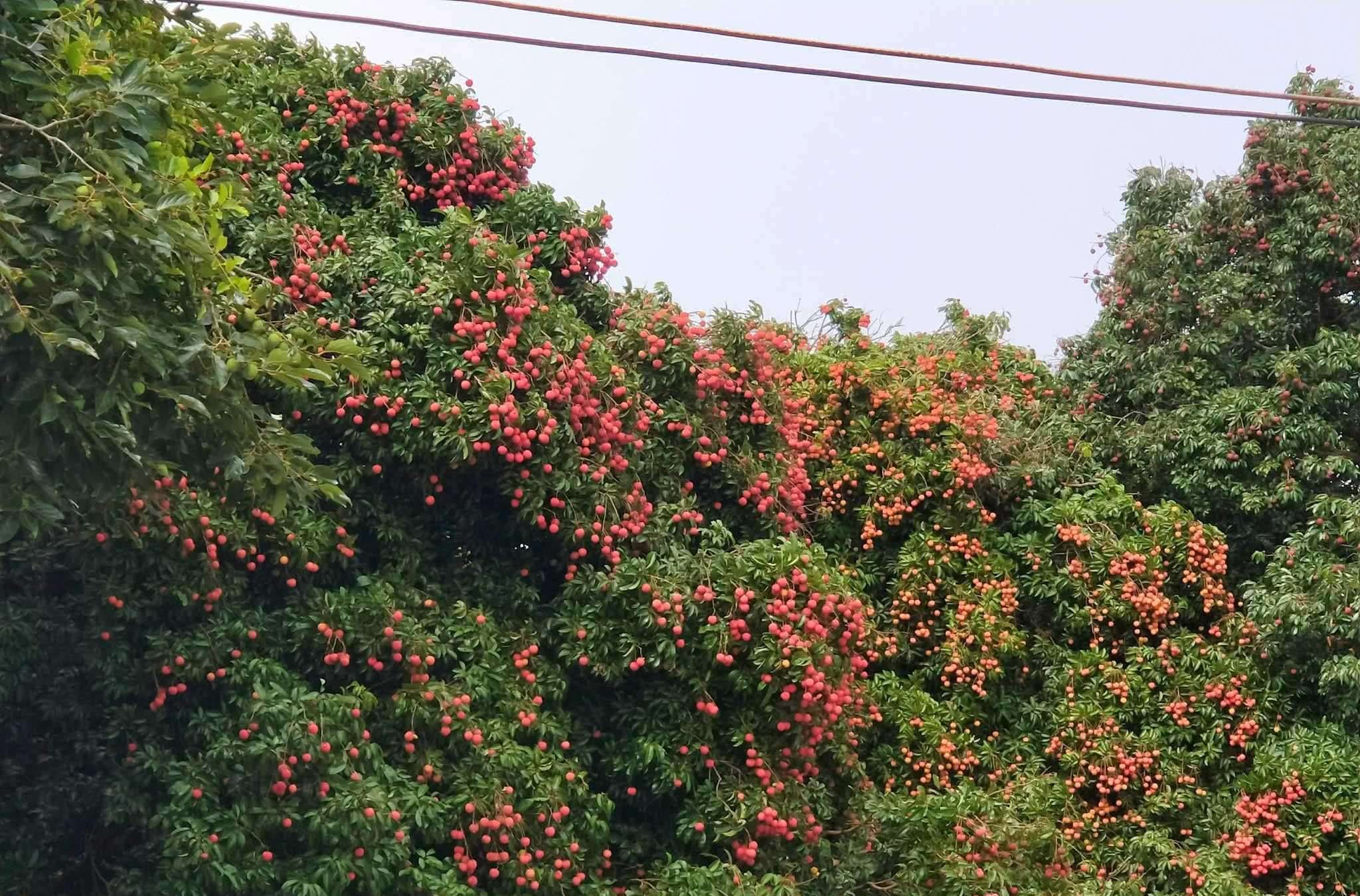
Everyone has eaten the king of fruits, but few recognize the tree whose valuable wood sinks the moment it hits water.
In the scorching summer, the sun's blazing heat drains people of their energy, and in such high temperatures, it seems all joy comes with steam rising off it. At times like this, I love to push open the window and take a look outside at the lush greenery, and my mood instantly lifts. Oh, look at those red fruits weighing down the branches...
-

Key Technical Points and Detailed Operation Methods for Apricot Tree Propagation
In recent years, as the market for major fruits such as apples and pears has gradually become saturated, the market potential for minor fruits is relatively large, especially with promising prospects for fresh-eating apricots and kernel apricots. Apricot trees are deeply favored by fruit growers for their strong adaptability, ease of cultivation, low investment and quick returns. Most rural areas use seedling propagation, whose offspring vary greatly and do not easily...
-
Five Key Points of Apricot Tree Management After Harvest
1. Thinning branches: Thin out overly dense perennial branches inside the canopy and new apricot shoots sprouting from scaffold branches. When branches are well spaced, red apricots hang in clusters; when branches are crowded, the fruits hang empty. Therefore, any branch in an unsuitable position or not planned to be kept as a renewal branch should be thinned out as early as possible. 2. Pinching: Pinching means cutting off the terminal bud at the tip of an apricot shoot. Generally, pinch off...
-
What are the key points of winter pruning techniques for apricot trees?
Brief introduction: Brown rot Brown rot is also known as fruit belly disease. In rainy years, if fruit-boring pests are severe, brown rot becomes epidemic year after year, causing a large amount of rotten fruit and fruit drop, resulting in great losses. 1. Symptoms It can infect flowers, leaves and fruit, with fruit suffering the most serious damage. (1) Floral organs: When flowers are affected, they turn brown and wilt, mostly...
-
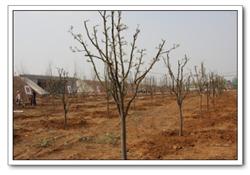
Detailed Explanation of Key Points for Fertilization and Water Management Techniques for Apricot Trees
I. Fertilization In the first year after planting, young trees are fertilized with light, frequent applications in order to rapidly expand the canopy and form a certain number of flower buds. The first fertilization is applied when the trees sprout after planting, after which a topdressing is applied once every 15-20 days, mainly with urea, combined with phosphorus and potassium fertilizers and organic fertilizer. Topdressing is stopped in early July, with appropriate water control...
-
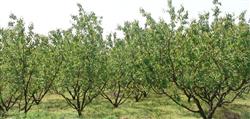
What are the environmental requirements for apricot tree growth?
Apricot is a perennial deciduous fruit tree that can grow to over 10 m tall in the wild. It is long-lived and prefers sunlight, tolerates cold, drought, and poor soil. It is extremely adaptable to external environmental conditions, and the range suitable for cultivation is also very wide. In its main production areas, the annual average temperature is -5 to 22°C, the annual accumulated temperature of ≥10°C is 1000 to 6500...
-
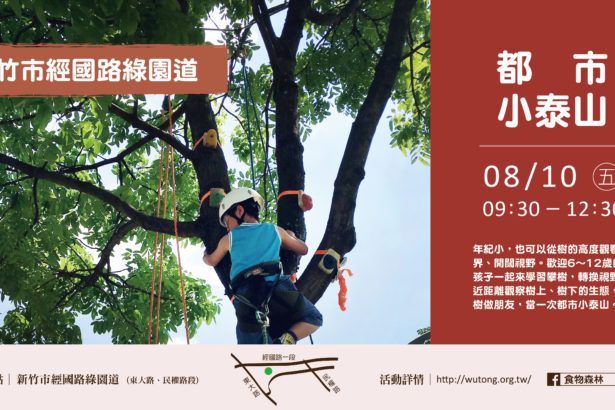
Hsinchu City Food Forest Series August 10 Urban Little Tarzan Tree Climbing Experience
8/10 [Urban Little Tarzan] Tree Climbing Experience Activity - Hsinchu City Food Forest Series
-
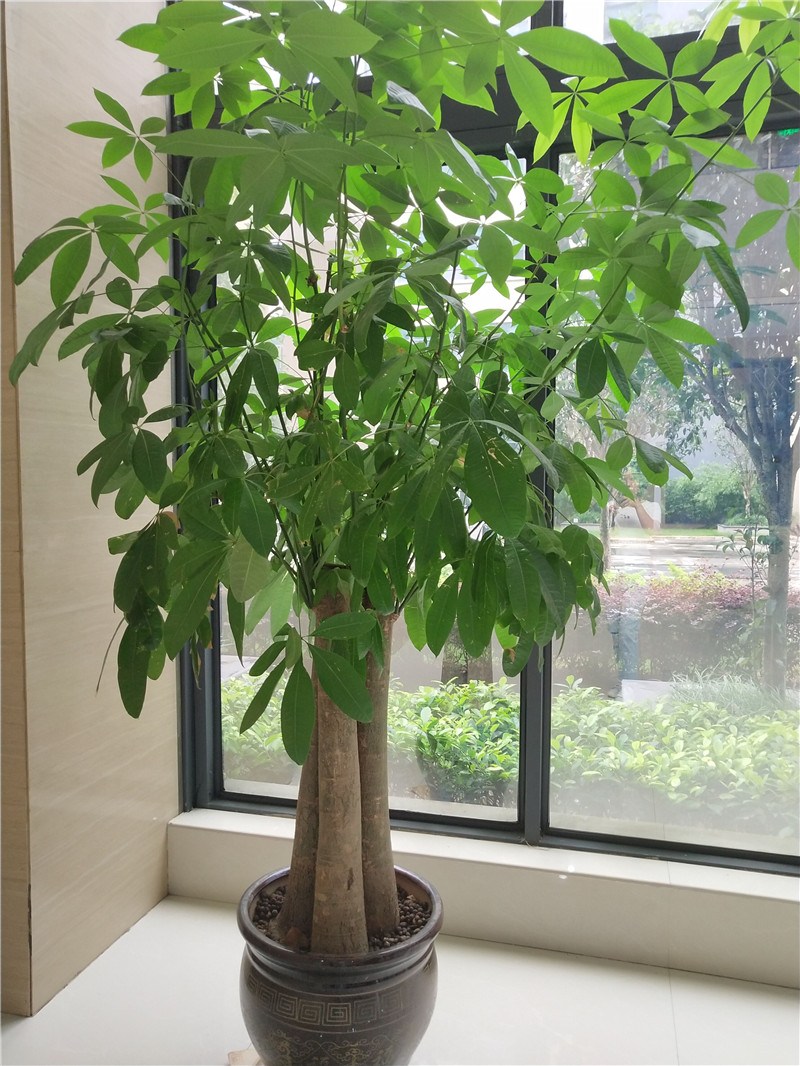
Grow a money tree with roots thicker than your calf, bringing both fortune and a commanding presence
Lately the weather in the south has been rainy, with rain falling at the slightest provocation. Fortunately, the indoor plants have not suffered the battering of wind and rain like those outdoors, and their growth has actually been quite good. A friend sent a photo of their money tree at home. Wow, at a glance, it was growing so...
条件筛选