-

2017 Market Analysis of Whether Traditional Chinese Medicine Material Prices Rose or Fell
2017 Medicinal Material Market Price Analysis: Did Traditional Chinese Medicine Material Prices Rise or Fall in 2017?
-
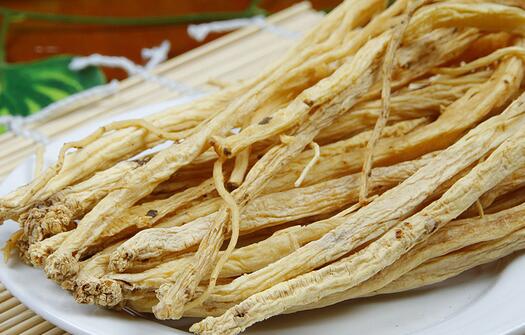
Prices of traditional Chinese medicinal herbs have risen sharply; experts predict the industry will enter a new upward phase in the next three years
Prices of traditional Chinese medicinal herbs have risen sharply; experts predict the traditional Chinese medicinal herb industry may usher in a new upward phase in the next 3 years
-

The Generation Mechanism of Traditional Agrarian Society and an Analysis of the Dynastic Cycle
The Generation Mechanism of Traditional Agrarian Society and the Dynastic Cycle
-
A Detailed Guide to Traditional Propagation and Cultivation Techniques for Tulips
Origin and Habits The tulip prefers a high, dry, loose, fertile, sandy soil with good drainage, and grows well in a sheltered, sunny spot, but in summer it needs appropriate shading. It is cold-hardy, relatively moisture-tolerant, and does not particularly like strong sunlight; it can still grow when the winter temperature is between -3°C and -5°C, and it has fairly strong adaptability. Tulip flowering periods fall into three types: early, mid, and late. Early-flowering varieties bloom in March and April, mid-flowering varieties in April and May, and late-flowering varieties in late May. The flowering period is short. The tulip is a spring bulbous flower with an early flowering period and brilliant flower colors; it is a beautiful flower for enhancing the spring landscape, and is mostly used in clumps
-
Mushrooms can achieve increased yields with traditional fertilization methods
Applying mushroom soup. Collect and wash the mushroom bases and broken mushrooms cut off during harvesting and processing, cut them into thin slices, add 1-1.5 kg of water per kg and boil for 15 minutes, take the filtrate and dilute it with water to 10-15 kg, and spray it on 30-40 sq m of mushroom beds. Applying it at the peak of fruiting can make the fruiting bodies thick and fleshy and extend the peak fruiting period. Spraying plant ash. Soak 25 kg of plant ash in 50 kg of water, filter it, and spray it to prevent mushrooms from turning red. Spraying chemical fertilizer solution. Take 0.1%-0.2% urea solution, every
-
What dish is "Hibiscus Crab Shell"? Get to know this traditional famous dish
[Ingredients] 1 live freshwater hairy crab, several eggs. [Seasonings] MSG, salt, yellow wine, chopped scallion and ginger, pepper. [Preparation and serving process] (1) Wash the hairy crab and steam it until cooked, pick out the crab meat and set aside; take the egg whites and whip them into a fluffy egg-white batter and set aside. (2) Heat the wok, add raw oil, stir-fry the chopped scallion and ginger until fragrant, then add the crab meat and stir-fry thoroughly, add the seasonings, stir-fry thoroughly and remove. (3) Put the stir-fried crab meat into the crab shell, seal it with the fluffy egg-white batter, then put it into the oil wok for a few
-
Mushrooms can achieve increased yield with traditional fertilization methods
To achieve high mushroom yields, appropriate supplementary fertilization is essential. Based on years of practical experience by mushroom growers in many places, the following nine traditional fertilization methods have proven to have excellent yield-increasing effects. Mushroom growers are encouraged to try them in practice. Applying mushroom soup. Collect mushroom stems and broken mushrooms left over from harvesting and processing, wash them clean, cut them into thin slices, add 1--1.5 kg of water per kg of material, boil for 15 minutes, take the filtrate and dilute with water to 10--15 kg, and spray on mushroom beds of 30--40 sq m. Use during the peak fruiting period,
-
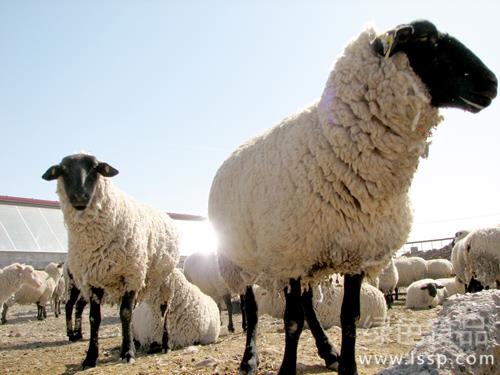
Improving Traditional Feeding Methods: Scientific Management Techniques for Meat Sheep Fattening
Improving Traditional Feeding Methods: Scientific Management Techniques for Meat Sheep Fattening
-
What to Do If a Pig Is Poisoned? Detailed Explanation of Traditional Chinese Medicine Treatments
For salt poisoning from eating too much salt, take 30 g of green vegetable leaves and 300 g of wild chrysanthemum (Chrysanthemum indicum), decoct in water and administer to the sick pig, 2 times a day for 3~4 consecutive days. For moldy corn poisoning, take 30 g of licorice (Glycyrrhiza uralensis), 100 g of mung beans, decoct into a soup, add 60 g of white sugar, and give the sick pig one dose. For potato poisoning, take 10 g of honeysuckle (Lonicera japonica), 30 g of alum, 30 g of licorice (Glycyrrhiza uralensis), decoct into a soup, cool until warm, add 30 g of honey, and give the sick pig one dose. For piglet furazolidone poisoning, take 500 g of licorice (Glycyrrhiza uralensis) and decoct
-
How is traditional salted duck modernized in processing?
Salted duck is the duck meat delicacy most loved by people in the Jiangsu-Zhejiang region of China. In recent years, it has gradually spread to all parts of the country. Traditional salted duck has a rather salty taste. When salted duck was first developed, one purpose was to give the duck meat a certain flavor, but the main purpose was still to use salt for preservation, so traditional salted duck has a relatively high salt content. Moreover, the traditional processing method has a long production cycle, is workshop-style production, has poor sanitary conditions, and lacks standardized and unified criteria, so it cannot guarantee the stability of product quality, nor is it convenient for industrialization
条件筛选