How to fertilize stump bonsai? Master these fertilizing techniques
The soil in the pot of a stump bonsai is limited, and therefore so are the nutrients, so attention should be paid to replenishing fertilizer. Because of its artistic quality of showing the large within the small, a stump bonsai must not be fertilized too much or too frequently; you need to grasp the fertilizer concentration and types, and get the fertilizing season right. The three key elements of plant growth nutrients are nitrogen, phosphorus and potassium fertilizers. Nitrogen fertilizer can promote the growth of the stump's branches and leaves; phosphorus fertilizer can promote the formation of its flowers and fruit; potassium fertilizer can promote the growth of the trunk and roots. Therefore, the choice of fertilizer should be determined according to the type of stump and its growth condition.
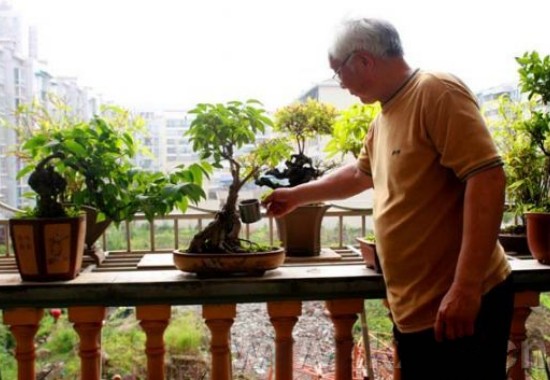
If you want the stump to have luxuriant branches and leaves, you can apply more nitrogen fertilizer; if you want the stump to produce more flowers and fruit, you can increase the phosphorus content; if you want the roots and trunk to be thick and well developed, you can apply more potassium fertilizer. Fertilization methods are generally divided into slow-release fertilization and quick-release fertilization. Slow-release fertilization generally involves crushing and decomposing organic fertilizer, mixing it into the soil in a certain proportion, and when changing the soil, mixing it into the pot to let it slowly provide nutrients; quick-release fertilization involves diluting organic fertilizer or chemical fertilizer and then applying it according to the seasonal growth needs of the stump, but note that it must not be too concentrated. Newly planted stumps are not suitable for this type of fertilization. Fertilizing on rainy days causes the fertilizer effect to leach away, giving poor results.
Too much fertilizer causes excessive vegetative growth of branches and leaves; a lack of fertilizer makes the branches thin and weak, turns the leaf color yellow, and makes the plant prone to pests and diseases. Therefore, fertilization should be done scientifically according to the time, the amount, the fertilizer type and the tree species.
According to time:
For newly planted potted trees, or those just potted up or newly repotted with fresh soil, do not fertilize for the time being because the root system has been damaged; wait until the following early spring or early summer, when the potted tree is in its peak growing season, and then fertilize more. After the start of autumn, the potted tree grows slowly, so fertilize less; in winter, when the potted tree has entered dormancy, stop fertilizing. Fertilizing is not suitable on rainy days or around noon during the high temperatures of midsummer, because fertilizing on rainy days easily leaches away and easily damages the root system. Fertilizing on cloudy days or in the evening is best. When the potting soil is slightly dry, first clear the weeds in the pot and loosen the soil, which helps the fertilizer water seep into the soil, speeds up the decomposition and absorption of the fertilizer, and at the same time avoids fertilizer burn.
According to amount:
The amount of fertilizer for a stump bonsai should follow the principle of small amounts applied frequently; each application should be small and dilute. Generally, from the Start of Spring to the Start of Autumn, apply a thin fertilizer solution once every 10 days (7 parts water to 3 parts fertilizer); after the Start of Winter, do not fertilize.
According to fertilizer type:
Nitrogen fertilizer promotes lush plant growth and more flower buds; commonly used nitrogen fertilizers include soybean cake, ammonium sulfate and fertilizer water. Phosphorus fertilizer promotes brilliant flower color and plump fruit, such as superphosphate and crushed bone meal. Potassium fertilizer promotes well-developed roots and a firm plant; commonly used ones include potassium sulfate, plant ash and so on. Fertilize separately according to the plant's growth condition, and at the same time decide according to the tree species' characteristics and growth condition, applying flexibly.