-
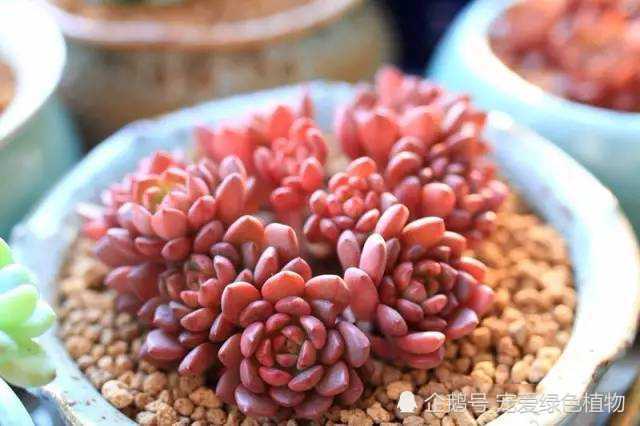
How to care for succulents in autumn? Do these 5 things to easily bring out their most beautiful state
This autumn, do these "5 things" well and you can easily grow "the most beautiful" succulents! I believe all succulent lovers hope to get their succulents into a good state this autumn. For succulents to reach a good state, besides environmental factors, the most important...
-
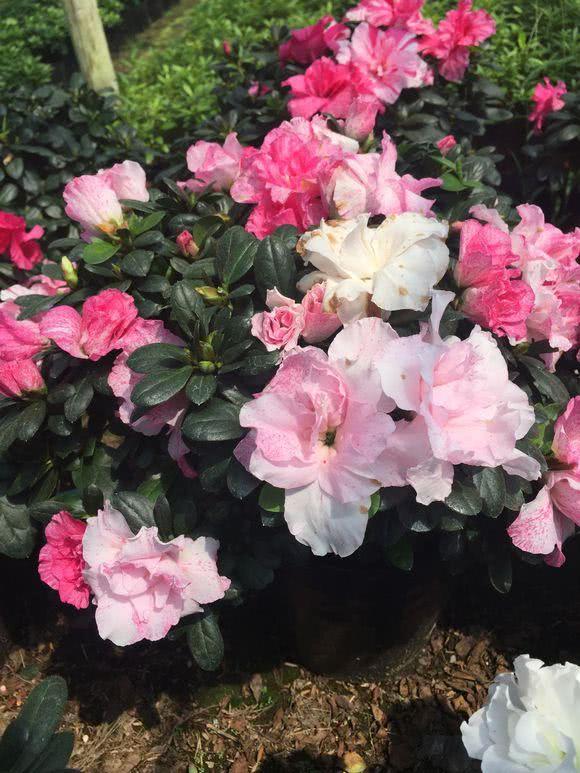
What to do when azaleas drop their leaves? Care for them this way and the problem is easily solved
Momo loves growing flowers, and the balcony is packed full. Dead branches, withered leaves, and fallen blooms are a common sight. Especially when care is done poorly, the balcony ends up in a mess and there are no flowers to enjoy. Every time Mom cleans up, she grumbles about it several times...
-
Occurrence of Rice Blast and Rice Planthopper and Their Control Methods
I. OccurrenceRice blast: Rice leaf blast has now appeared in Helan, Qingtongxia and other places. The first appearance date was June 13, about 10 days earlier than last year. Especially after the rainfall on July 7 and 12, the field humidity was relatively high, which was very favorable for the development of leaf blast. A recent general survey in Qingtongxia showed an average diseased field rate of 16.7%, a diseased plant rate of 2.2%, and a diseased leaf rate of 0.68%. In Helan, it occurred sporadically in some drill-seeded fields. Ear-neck blast will appear at the end of July and the beginning of August. The meteorological forecast shows that in August the temperature across the region will be relatively high and precipitation in the irrigation area will be relatively low, which is unfavorable for the occurrence and development of ear-neck blast. It is expected that ear-neck blast will generally occur at a mild-to-moderate level, with moderate to severe occurrence in fields where large areas of susceptible varieties are planted in some localities. Even so, all rice-growing counties still must not take it lightly and should strengthen monitoring. For fields with disease centers, farmers should immediately be organized to spray pesticides to block the disease centers and control the spread of fungal spores. In mid- and late July, general control should be carried out in fields where leaf blast has already occurred and in fields with high density and vigorous growth, to control the development of leaf blast and prevent the occurrence of ear blast. In early and mid-August, fields where ear-neck blast has already occurred should be sprayed promptly to control the spread of the disease. Rice planthopper: A survey in Wuzhong on July 10 found a 42% insect-hole rate; in 50 sweep-net passes, there were 32 adult brown-backed planthoppers, 10 white-backed planthoppers, 37 long-winged forms, and 5 short-winged forms. There were 60 white-backed planthopper nymphs and 151 brown-backed planthopper nymphs. A survey in Qingtongxia on July 10 found 24 insects per 100 hills.
-

Autumn is here, and seeds begin their journey
Homemade "launchers" Some plants don't need cars or planes at all; they come up with a particularly amusing way to travel: once the seeds are ripe, they fling them into the air. Examples include the squirting cucumber, impatiens, and violets. The squirting cucumber...
-
What are the pollution-free soybean diseases and their control methods?
The soybean aphid is one of the major pests of soybean, with adults and nymphs piercing and sucking sap on the top leaves, tender leaves and tender stems of the soybean plant. In severe cases they cover the stems and leaves, and can also attack tender pods, causing stunted plants, reduced fruiting branches and pod numbers, and lower 1000-grain weight; when severe at the seedling stage, the entire plant can die, and in outbreak years if not controlled in time...
-
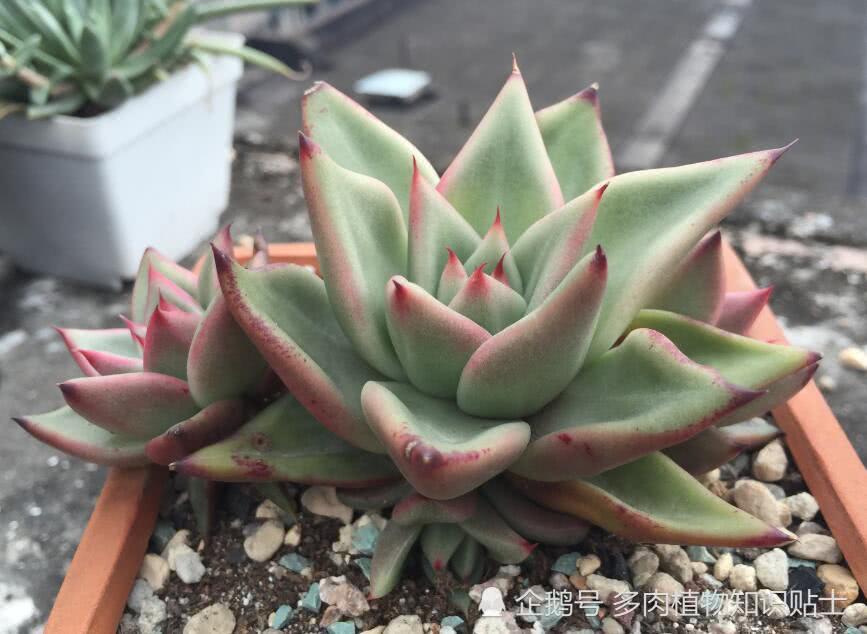
Succulents grown outdoors on the rooftop for half a year finally reached their prime
Thanks to yzjn911 for the material. Wuzar (Graptoveria 'Wuzar'), this one was actually put up there earlier, and previously it had only colored up a bit. After seven months, it has now grown a lot more. The Red Rolled Leaf (Echeveria 'Red Rolled Leaf') hasn't really changed, except that when I went up yesterday and took a look, it was a whole pot full of dead leaves...
-
If you don't repot your flowers now, they'll turn yellow, drop their leaves, stop growing, and die as soon as the weather turns cold.
As soon as autumn arrives, many flower lovers ask Huahua, why is it that my flowers not only fail to grow, but also have yellowing and falling leaves? Then Huahua can't help but ask you one thing: have you repotted them? If the flowers at home haven't been repotted for a long time, the soil becomes severely compacted, water can't get in, fertilizer can't get in, and over time the leaves naturally turn yellow!
-

Main Pests of Overwintering Cabbage and Their Control Methods
1. Nutrient Solution Formula The nutrient solution formula for kale in the Beijing area is the same as that for hydroponic lettuce, so it will not be repeated here. 2. Nutrient Solution Concentration Management Kale has a strong ability to absorb nutrients and requires sufficient fertilizer. The nutrient solution concentration management index is 2.5-3.0 ms/cm, and this concentration can be used consistently from planting to harvest. 3...
-

Autumn flower cuttings have their rules, and these flowers are exceptions
The Complete Guide to Home Gardening: Teacher Xiao Ye teaches you all kinds of gardening knowledge! In autumn, temperatures drop and the weather turns cool, making it a great season for taking cuttings of all kinds of flowers. As long as you choose the right branches, a casual stick in the soil can turn one pot into many. But not all flowers are...
-
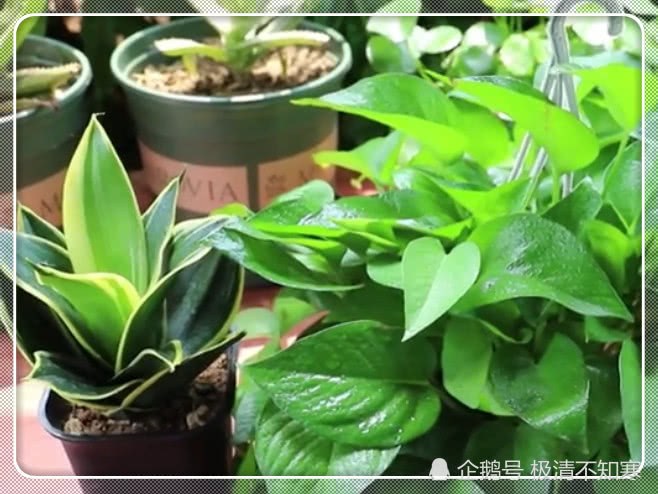
Pothos and snake plants love vinegar, their leaves are glossy green and plump with vigorous growth
Hello everyone, welcome to today's article. Today the editor continues to share wonderful content with you, so let's take a look at today's content together! Pothos trails its long branches, swaying gracefully, while the snake plant wears a green coat,...
条件筛选