-
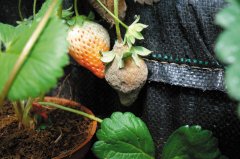
What Are Biopesticide Yeasts? A Detailed Explanation of Their Functions and Benefits
Humans have used yeasts in the food fermentation industry for thousands of years. Through selected and domesticated strains, they can be used not only to produce beer and various alcoholic beverages, but also to ferment bread and steamed buns. In addition, research in recent years into their potential for plant disease control is flourishing.
-

Analysis of the Characteristics of Legume Vegetables and Their Pesticide Residue Situation
Do you like eating legumes? Do you know whether they have pesticide residues? Inspections have found that the pesticide residue failure rate of legume vegetables such as green beans, peas and common beans is as high as 63%. Among the pesticide residues detected were chlorothalonil and acetamiprid
-
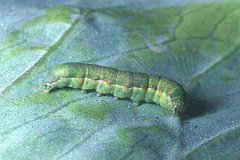
What do beet armyworm larvae and adults look like? A detailed breakdown of their morphological features
We know that the beet armyworm is a pest, but do you understand its ecological habits and morphology? Let's take a look together. Ecological habits: The adult beet armyworm hides by day and comes out at night, resting on the undersides of leaves or in dark places during the day, and beginning activity and mating after sunset.
-
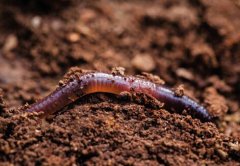
What benefits do soil animals bring to the soil? Their remains can also add fertilizer
Do you know what benefits soil animals bring and what they can be used for? Would you like to learn about it? Let's take a look together. Maybe it will help you with your planting in the future. Soil animals cultivate bacteria and fungi, take in and break down residues, and increase soil respiration
-
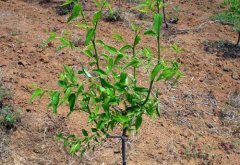
How to plant red jujube saplings and train their tree shape, and what are the common pests and diseases?
How should red jujube saplings be planted and trained into a tree shape? What are the common diseases in red jujube cultivation and how are they controlled? At present, red jujube trees are mostly grown with dwarfing cultivation, with tree height 1.5 to 2.5 m, which makes it convenient to pick fruit in pick-your-own orchards. Therefore, after the saplings are planted, the branches should be gradually pulled down to dwarf the tree.
-
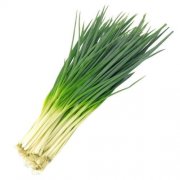
What nutritional value does scallion have? The difference between scallion and Welsh onion, and their nutritional components
Many people think scallion is Welsh onion, but actually it is not; there is a difference between the two. Do you know what nutritional value scallion has? Let's take a look together. Scallion contains nutrients such as calcium, vitamin C, carotene, and dietary fiber. 100 grams of scallion
-
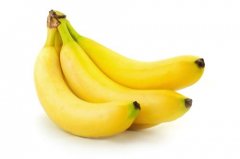
Which Season Are Bananas at Their Best? How Many to Eat a Day and a Breakdown of the Benefits
Actually, everyone assumes that because bananas are sweet, they must be high in calories, but that is a misconception. Add to that the fact that athletes always keep bananas on hand, especially marathon runners, who love to rely on bananas to replenish their energy, and the real reason is that bananas are rich in potassium ions, which can ease athletes' cramps and help them recover faster
-
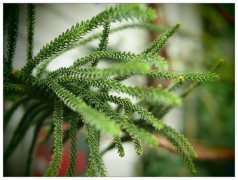
Do Cryptomeria Trees Lose Their Leaves? What Are Cryptomeria Trees Used For and How Much Does a Cryptomeria Sapling Cost Per Plant
Cryptomeria is a common type of cedar. Does Cryptomeria lose its leaves? Cedar trees are deciduous plants, so Cryptomeria does lose its leaves. But do you know what Cryptomeria is used for? How much does a Cryptomeria sapling cost per plant? Let's take a look together. Cryptomeria is characterized by its crown being narrowly conical or
-
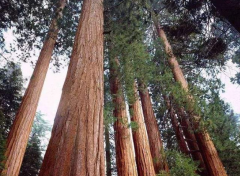
What terrain do coast redwoods grow on? Native images and an introduction to their maximum diameter
Coast redwood: the place where this redwood species was first discovered is on the American continent, discovered by a Scotsman named Seth. This redwood species is very easy to identify, its bark is red, and it generally grows in coastal areas. It grows close to the sea; in areas mainly consisting of mountains and plains in the westerlies.
-
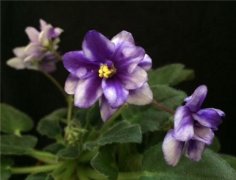
How many years can African violets be grown, what soil to use, and what is their flower language?
African violet is also known as African violet or Saintpaulia, and its flower language is "little love". In what kind of regions does it generally grow? Let's find out together! African violets, along with gloxinia, dolphin flowers, lipstick flowers, etc., are all common ornamental plants of the Gesneriaceae family in local flower markets.
条件筛选