-

Detailed Classification of Wheat Seedlings: Targeted Management Is Key
After wheat seedlings emerge, various types of weak seedlings often form due to the influence of natural conditions and cultivation practices. To prevent weak seedlings and manage them according to their specific symptoms, the details are introduced below: Weak seedlings caused by soil drought mostly occur in wheat fields with insufficient subsoil moisture or where moisture escapes through cracks. Their characteristics are: slow tillering, grayish-green leaf color, short and small heart leaves, slow or stagnant growth (known among farmers as "shrinking-heart seedlings"), gradual yellowing and drying of the middle and lower leaves, and few and thin roots. Key management points: combined with irrigation, apply 15 kg of ammonium bicarbonate per mu.
-
Targeted measures should be taken for cotton management in the middle and late stages
This year, cotton was affected by unfavorable weather such as low temperatures, cloudy and rainy days, and insufficient sunlight in the early stage, resulting in weak growth and delayed development of plants over large areas. In addition, severe natural disaster weather such as heavy rain and typhoons has occurred frequently recently, making the cotton production situation very serious. Cotton is currently in a critical growth period, and all localities should adopt targeted technical measures, strengthen cotton field management, promote the transformation of seedling conditions, and strive to achieve a bumper cotton harvest. 1. Fertilizer management. Focus on the application of topdressing fertilizer and the mixed spraying of pesticides and fertilizers in the later stage. Generally, apply 5-7.5 kg of urea per mu to increase bolls and boll weight and prevent premature senescence. For cotton fields with late boll setting, few bolls in the middle and lower parts, or sufficient flower and boll fertilizer with late application timing, where cotton plants are still growing vigorously at the Beginning of Autumn, fertilizer should mainly be applied by spraying, with supplementary application in fertilizer-deficient areas. For cotton fields deficient in potassium and boron, promptly spray potassium fertilizer and boron fertilizer in combination with pest and disease control.
-
Chestnut gall wasps need targeted control this year, and chestnut growers should pay attention
The chestnut gall wasp, also known as the chestnut tumor wasp, is a major insect pest damaging chestnut trees. It occurs almost every year in chestnut-producing areas in China, but this year the outbreak is especially severe. Large trees, especially old unpruned trees, have reached a 100% damage rate. Controlling the chestnut gall wasp brooks no delay. The chestnut gall wasp has one generation per year and overwinters as first-instar larvae inside infested chestnut buds. In the Yanshan mountainous area, overwintering larvae begin to move and feed during the bud-break period in mid-April and grow rapidly. In early May, during the shoot-sprouting and leaf-unfolding period, galls begin to form. The galls are mostly at the tips of new shoots or
-
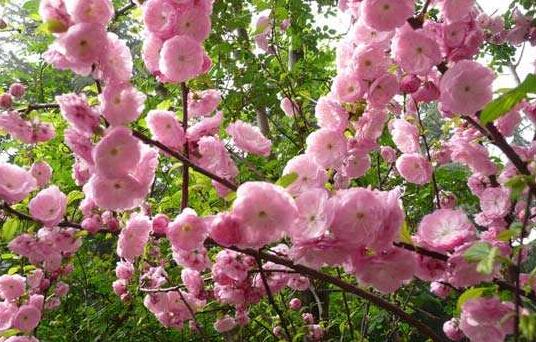
How to control pests and diseases of flowering almond (Prunus triloba)? 7 effective methods for targeted treatment
The disease resistance of flowering almond is very strong; it can survive in relatively harsh environments, but its growth will be severely hindered because such environments easily trigger pests and diseases, which pose a great threat to flowering almond, not only causing leaves to turn yellow and fall off so it cannot bloom, but also leading to the death of the plant
-
How to control pests and diseases on the peacock flower? 2 pests and 3 diseases with targeted treatments
What should you do when the peacock flower gets bugs? This article introduces common pest and disease control methods for the peacock flower, covering symptom identification and targeted treatment plans for 2 pests, scale insects and aphids, and 3 diseases, powdery mildew, damping-off, and brown spot, helping you easily grow the peacock flower well.
-
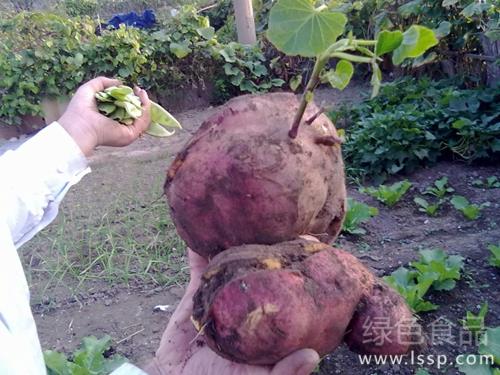
Sweet potato cracking affects sales and storage; how can it be prevented and controlled in a targeted way?
Sweet potato cracking affects sales and storage; how can it be prevented and controlled in a targeted way? Sweet potato cracking
-
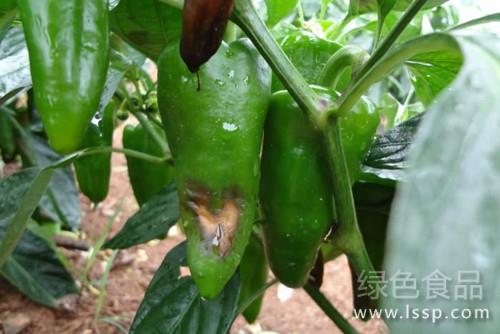
There are many causes of pepper fruit rot, so how do you treat it in a targeted way?
Pepper fruit rot is caused by multiple factors; how do you treat pepper fruit rot in a targeted way?
-
What to Do About Rape Seedling Stunting? A Detailed Guide to Targeted Prevention and Control
After transplanting and seedling recovery, rape (Brassica napus) sometimes shows stunting in the early field growth stage, with symptoms such as reddened or yellowed leaves, curled leaf centers, slow or halted growth, and poor development. To prevent and control rape stunting, targeted measures must be taken based on investigating its causes. Stunting caused by drought or waterlogging - drought not only...
-
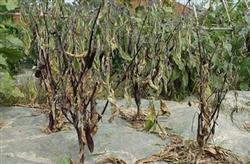
How to prevent and treat eggplant wilt? A detailed guide to targeted treatment
The main causes of eggplant wilt include Phytophthora blight, Sclerotinia rot, stem base rot, bacterial wilt, Verticillium wilt, root-knot nematode disease, fertilizer burn, and so on. The specific diagnosis is as follows: 1. Look at the field distribution. After fertilizer burn occurs, the plants generally wilt at noon on sunny days and recover in the evening, and in severe cases the plants may die. The other diseases above...
-
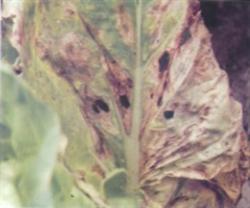
How to Treat Stunted Growth in Rapeseed with Targeted Control
[Distribution and Damage] It occurs in all rapeseed-producing areas, with more frequent occurrence in the Yangtze River Basin and South China. This disease is caused by Alternaria brassicae (Berk.) Sacc., A. brassicicola (Sehw.) Wiltshire, and A. raphani Gr. et S...
条件筛选