-

How to prevent and control cotton seedling diseases? Take multiple measures to ensure strong seedlings
Because rain kept falling continuously during the cotton sowing period and after emergence, this year's seedling death is more serious than in previous years, and the most severe cases have already begun to be destroyed and replanted. 1. Main symptoms After cotton seedlings emerge, yellow-brown lesions appear at the base of the stem (where it meets the soil surface), gradually expand, become sunken and rotten, turn dark brown in color, and the cotton seedlings wither and die. This is typical "damping-off," commonly known by cotton farmers as "black neck" disease. 2. Causes of seedling death 1. Early sowing date and low temperature. According to forecasts from the meteorological department, the temperature in April 2008 was on average
-
Introduction to the high-protein strong-gluten wheat variety 954072
Characteristics: Winter type, seedlings prostrate, moderate tillering capacity, plant height 90--100 cm, highly resistant to stripe rust and leaf rust, moderately resistant to powdery mildew and Fusarium head blight, mid-early maturing, 40--50 grains per spike, 1000-grain weight around 50 g, a large-spike large-grain type variety, highly resistant to lodging. Quality status: white-grained, vitreous, protein content 20--22%, wet gluten content 37.5--42%. Blending trials show that using 60% and 40% 954072 flour to blend with Lumai 14 flour
-
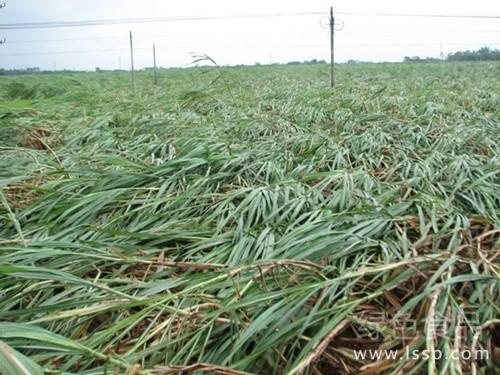
Sugarcane tends to become hollow or pithy after lodging; how to prevent it from being blown over by strong winds
Lodged sugarcane easily becomes hollow or pithy; how to prevent strong winds from blowing over sugarcane
-
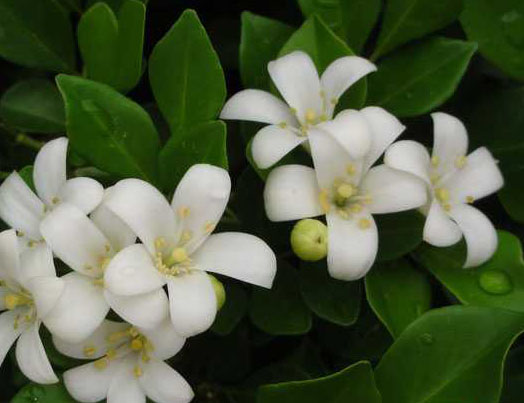
What are the main measures for making Murraya paniculata bloom abundantly with a strong fragrance?
Murraya paniculata, also known as qianlixiang and yueju, is an evergreen shrub or small tree. Its small cymes are terminal or axillary, white, with an extremely strong fragrance and strong diffusion, and the flowering period is in autumn. To make its fragrance spread far, pot cultivation should use sandy soil rich in humus, loose and fertile. During the young tree stage, change the pot once every year in early spring.
-
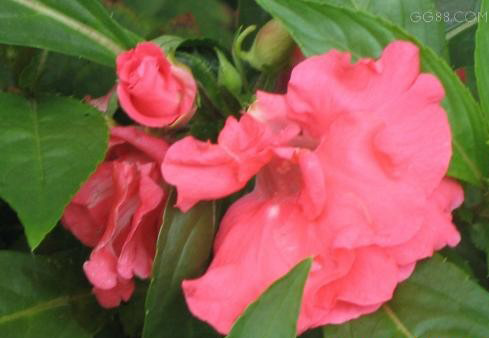
Is oleander poisonous? Just how strong is its toxicity?
Is oleander poisonous? Poisoning occurs from accidentally eating oleander leaves or stems. The leaves of oleander are used clinically as a cardiac stimulant to treat heart disease. It is also an abortifacient; using its leaves as a decoction and giving it to pregnant women to drink can cause strong uterine contractions, is harmful to the fetus, and can trigger miscarriage.
-
Peony flower benefits and uses: rich colors, strong ornamental value, and medicinal use in treating gynecological diseases
The peony flower is a very beautiful flower with rich colors. Keeping it at home can not only purify the air but also beautify the home environment. But did you know that besides being ornamental, the benefits and uses of the peony flower also include being a traditional Chinese medicinal herb, with remarkable effects on treating women's diseases and regulating the body's metabolism
-
How to grow potted orchids? Watering more and avoiding strong light: cultivation methods and precautions
Orchids are a common potted flower in daily life. Since ancient times, many poets have written poems about orchids, and orchids bloom in all four seasons and are deeply loved by people. In daily life, many novice flower growers want to grow orchids, but they do not know how to grow them. Orchids are actually very easy to grow, as long as you understand the orchid cultivation methods and precautions below
-
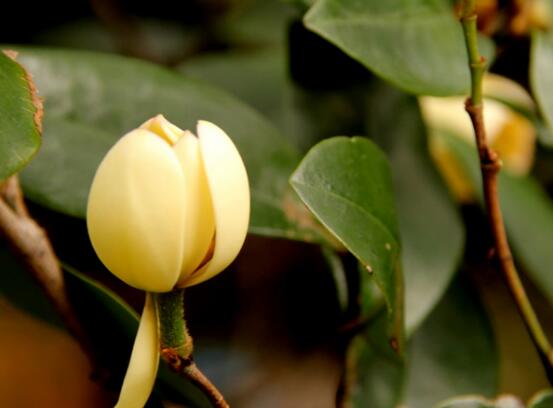
Is the banana shrub (Michelia figo) toxic? Non-toxic, but its fragrance is too strong to grow indoors
The beauty of the banana shrub (Michelia figo) is recognized by a wide range of flower lovers. Its flower shape, flower color and fragrance are all first-rate, so many people grow it indoors. But it is precisely its beauty that makes some people think of a saying: the more beautiful a plant, the more toxic it is. So is the banana shrub toxic? In everyday life
-
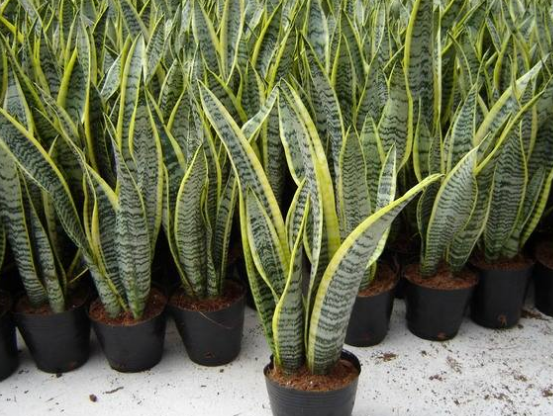
What to do when snake plant leaves turn yellow? It is mostly caused by strong light and overwatering
The snake plant (Sansevieria) is a fairly common plant in people's lives, and it is also famous for being a plant with tenacious vitality. Of course, if you do not pay attention to its care, various problems will still arise. What should you do when the leaves of a snake plant turn yellow? This is a problem people see fairly often. Regarding this problem, we can start from sunlight
-
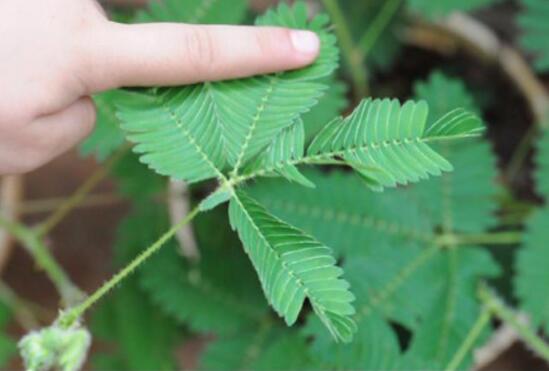
What to do when a mimosa wilted? Check for root rot, remove diseased leaves, and avoid strong light
Mimosa, a magical plant whose leaves shyly fold up as soon as they are touched, is named for this very trait. In everyday life, mimosa is very popular and is grown in pots by many people at home. However, due to improper care and other reasons, the plant can develop various problems, such as yellowing and wilting of mimosa leaves
条件筛选