What to do when snake plant leaves turn yellow? It is mostly caused by strong light and overwatering
The snake plant (Sansevieria) is a fairly common plant in people's lives, and it is also famous for being a plant with tenacious vitality. Of course, if you do not pay attention to its care, various problems will still arise. What should you do when the leaves of a snake plant turn yellow? This is a problem people see fairly often. Regarding this problem, we can start from aspects such as sunlight and watering. For the specific details, please read on with the editor.
What to do when snake plant leaves turn yellow / Find the cause
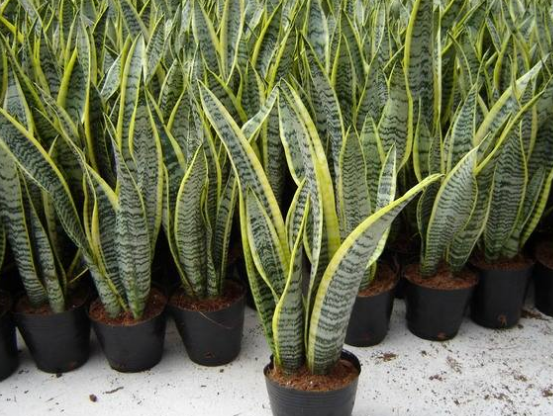
1. Strong light exposure
Yellowing of snake plant leaves generally occurs mostly in summer. Because the summer sunlight is too strong, this causes the snake plant's water to evaporate too quickly. With long-term exposure, the tips of the snake plant leaves will dry out and gradually turn yellow.
Solution: Although the snake plant is naturally fond of a warm environment, because summer weather is too dry, it is recommended that you pay attention to shading the snake plant in summer and avoid overly strong sunlight exposure.
2. Too much watering
Besides strong light exposure, too much watering is also one of the reasons that make snake plant leaves turn yellow. Overwatering will make the color of the snake plant's leaves gradually become dull and lusterless.
Solution: In winter, the snake plant is in a dormant state and generally stops growing, so it does not need water. It is recommended not to water the snake plant in winter. Too much watering will only increase its burden.
3. Wrong watering method
If the snake plant is watered in the wrong way, rotten spot marks will appear on its leaves, so when watering the snake plant, you must pay attention to the method and the time of watering.
Solution: It is best not to water the snake plant at noon, and do not pour water under the leaves. It is best to water the soil, which will prevent the snake plant's roots from rotting. If this situation has already occurred, it is best to stop watering and let it recover for a few days. As long as the snake plant's roots are still alive, it will not die.
4. Virus invasion
When snake plant leaves turn yellow, bacterial soft rot is also one of the causes. This is a fairly common virus in snake plants. When this situation occurs, the leaves of the snake plant will appear light yellow-green or gray-yellow, and soft rot spots will appear on the stem, making it very easy to break.
Solution: Plants are like people; when they get sick, they need treatment. If this situation occurs in a snake plant, you can choose chemical treatment. You can choose a soil fungicide such as tuzhixiao fungicide and spray it on the soil to sterilize it.
After talking about so much, everyone should know how to solve similar problems when encountering them again. Overall, yellowing of snake plant leaves is a fairly common problem in people's lives. You just need to handle it accordingly according to different situations. Regarding the question of what to do when snake plant leaves turn yellow, the editor will introduce it here today, hoping to bring you some help.
What to do when snake plant leaves turn yellow? What are the causes of yellowing?
Snake plant (Sansevieria) is a common indoor plant. During cultivation, poor management can cause some diseases in the snake plant, such as snake plant leaves becoming soft, turning yellow, withering, rotting, and so on. So what should be done when snake plant leaves turn yellow?
Causes of snake plant leaves turning yellow:
Strong direct sunlight in summer
This situation is shown by the tips of the snake plant leaves drying out and gradually turning white and yellow, with no vitality or moisture. It can be seen that they have no vitality or moisture. This situation generally occurs easily in summer, so in summer pay attention to shading and avoid overly strong direct sunlight.
Overwatering
This situation is shown by the snake plant leaf color becoming dull and lusterless. It is generally related to watering too frequently. In winter, the snake plant has already stopped growing and does not need water. Overwatering will only increase its burden.
Improper watering method
This situation is shown by rotten spots and marks appearing on the snake plant leaves. It is generally caused by improper watering methods. The correct watering method is: avoid watering at noon, do not pour water on the leaves, and it is best to pour it into the soil around the pot.
Bacterial soft rot
This situation is shown by the leaves appearing light yellow-green or gray-yellow, with water-soaked soft rot spots appearing on the stem near the ground, and it breaks easily. The rhizome becomes yellow and soft-rotted, and the roots wither and die.
What to do when snake plant leaves turn yellow:
Choose suitable soil
Choose soil with good drainage. Snake plants are not very strict about soil, but it is still best to choose soil with good drainage. You can use a mix of leaf mold and some sand.
Avoid strong direct sunlight in summer
Snake plants prefer sunlight somewhat, and should maintain sufficient light. Place them outdoors in a spot with sunlight, but at noon in summer the sunlight is too strong, so some shading should be given. When placed indoors, place them by a window so they can fully receive sunlight. If a snake plant turns yellow and soft due to overly strong light, shade it promptly and move it to a cool place for care.
Pay attention to growing temperature
The growing temperature of the snake plant should be controlled between 16~30°C. In winter, give corresponding warmth-keeping measures. Generally, below 5°C, cold damage will occur and the leaves will become soft. You can place the plant in the sunlight to appropriately increase the plant's temperature and gradually restore it.
Snake plants like warmth and are suitable for growing at a temperature of 16 degrees to 30 degrees. In winter, certain anti-freezing measures should be given. Generally, below 5 degrees, cold damage will occur. You can place it in the sunlight to increase the plant's temperature.
Control the amount of watering
In spring and summer, keep the potting soil moist, but do not let it become waterlogged. In autumn and winter, water only after the potting soil has completely dried. In daily care, you can use water to clean the leaf surface to keep the plant looking good and also help the plant grow better. When the winter temperature is below 10°C, do not water, so as to avoid cold damage. Watering should be chosen in the morning or evening.
Prevent pests and diseases
When watering, avoid splashing onto the leaves. If diseased leaves are found, remove and destroy them promptly. When disease occurs, spray 12% green copper lactate 600 times solution or 72% agricultural streptomycin 4000 times solution. Spray once every 7~10 days, for 2~3 consecutive times.
What to do when snake plant leaves turn yellow and become soft
Causes of snake plant leaves turning yellow and becoming soft
Strong direct sunlight in summer
This situation is shown by the tips of the snake plant leaves drying out and gradually turning white and yellow, with no vitality or moisture. It can be seen that they have no vitality or moisture. This situation generally occurs easily in summer, so in summer pay attention to shading and avoid overly strong direct sunlight.
Overwatering
This situation is shown by the snake plant leaf color becoming dull and lusterless. It is generally related to watering too frequently. In winter, the snake plant has already stopped growing and does not need water. Overwatering will only increase its burden.
Improper watering method
This situation is shown by rotten spots and marks appearing on the snake plant leaves. It is generally caused by improper watering methods. The correct watering method is: avoid watering at noon, do not pour water on the leaves, and it is best to pour it into the soil around the pot.
Bacterial soft rot
This situation is shown by the leaves appearing light yellow-green or gray-yellow, with water-soaked soft rot spots appearing on the stem near the ground, and it breaks easily. The rhizome becomes yellow and soft-rotted, and the roots wither and die.
Treatment methods for snake plant leaves turning yellow and becoming soft
Choose suitable soil
Choose soil with good drainage. Snake plants are not very strict about soil, but it is still best to choose soil with good drainage. You can use a mix of leaf mold and some sand.
Avoid strong direct sunlight in summer
Snake plants prefer sunlight somewhat, and should maintain sufficient light. Place them outdoors in a spot with sunlight, but at noon in summer the sunlight is too strong, so some shading should be given. When placed indoors, place them by a window so they can fully receive sunlight. If a snake plant turns yellow and soft due to overly strong light, shade it promptly and move it to a cool place for care.
Pay attention to growing temperature
The growing temperature of the snake plant should be controlled between 16~30°C. In winter, give corresponding warmth-keeping measures. Generally, below 5°C, cold damage will occur and the leaves will become soft. You can place the plant in the sunlight to appropriately increase the plant's temperature and gradually restore it.
Snake plants like warmth and are suitable for growing at a temperature of 16 degrees to 30 degrees. In winter, certain anti-freezing measures should be given. Generally, below 5 degrees, cold damage will occur. You can place it in the sunlight to increase the plant's temperature.
Control the amount of watering
In spring and summer, keep the potting soil moist, but do not let it become waterlogged. In autumn and winter, water only after the potting soil has completely dried. In daily care, you can use water to clean the leaf surface to keep the plant looking good and also help the plant grow better. When the winter temperature is below 10°C, do not water, so as to avoid cold damage. Watering should be chosen in the morning or evening.
Prevent pests and diseases
When watering, avoid splashing onto the leaves. If diseased leaves are found, remove and destroy them promptly. When disease occurs, spray 12% green copper lactate 600 times solution or 72% agricultural streptomycin 4000 times solution. Spray once every 7~10 days, for 2~3 consecutive times.