-

What to do when periwinkle leaves turn yellow? Causes and solutions for potted plants
Periwinkle (Catharanthus roseus) is best grown in fertile, well-drained soil. It is a light-loving plant and must have plenty of sunlight during the growing season. It prefers a warm, slightly dry, sunny environment. When fertilizing, you can apply a compound fertilizer and a liquid fertilizer alternately once every ten days. It dislikes wet conditions and is afraid of waterlogging, so the potting soil should not be watered too much. The plant itself is toxic
-
Reasons and Solutions for Yellowing Leaves of Potted Desert Rose
Legend has it that in the vast Gobi Desert, there is a kind of stone that has grown for tens of millions of years. It is the crystallization of a plant. The seeds of this plant are naturally paired; after blooming, their roots and stems stay connected, and the flowers are like roses. If one of them dies, the other no longer blooms
-
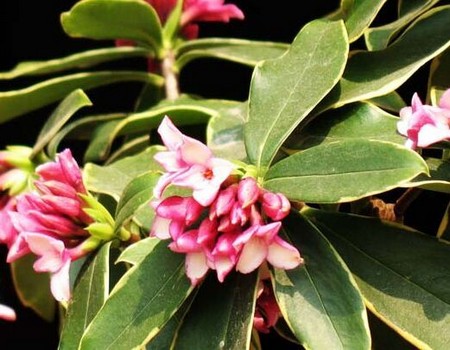
Reasons and Solutions for Yellowing Leaves on Daphne odora 'Aureomarginata'
Daphne odora 'Aureomarginata' has high ornamental value. It has a graceful tree form, vigorous branches that curve and stretch naturally, a full and flourishing appearance, and elegant charm with inner spirit. Daphne odora 'Aureomarginata' is dashing and handsome, full of vitality; its golden-edged jade-like leaves have golden margins, neat and glossy, fresh and deeply green, lush all year round, enjoyable in all four seasons; it blooms at the right time
-
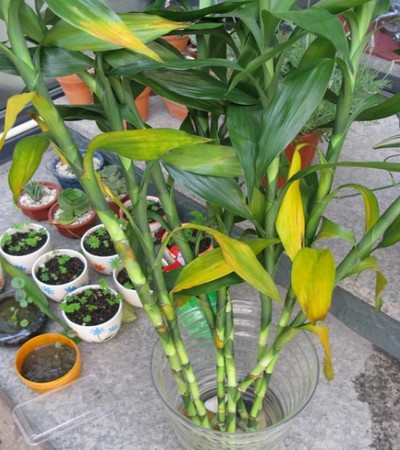
What to Do When Potted Bamboo Leaves Turn Yellow? Causes and Solutions
Bamboo grows relatively fast and is easy to cultivate; it can even thrive when the potting soil is submerged in water, and it can also grow in water, which is why it is also called water bamboo. It naturally has a quiet, elegant posture, with upright stems and lush leaves, distinct layers, graceful and natural, evergreen all year round. It is an excellent choice for indoor display and also a good material for cut flowers. Its care is simple and its management is undemanding
-
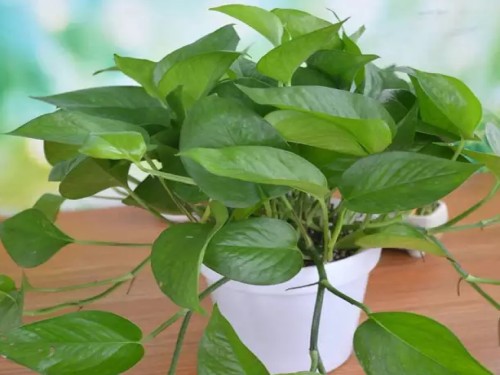
Reasons and Solutions for Yellowing and Wilting Leaves of Pothos Bonsai
Overall, when pothos leaves turn yellow, in the case of water cultivation it is mostly due to bacteria in the water, while in the case of soil cultivation it may be root rot. Relatively speaking, water-cultivated pothos is more prone to yellow leaves than soil-cultivated pothos
-
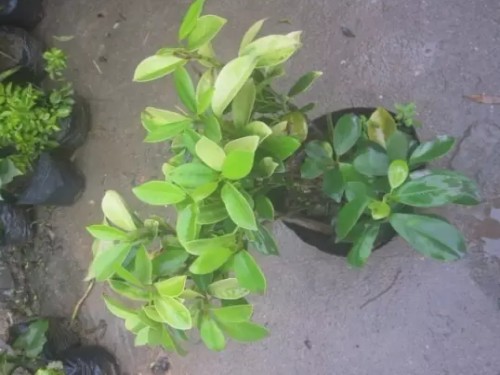
What to do when the leaves of a small-leaf banyan bonsai turn yellow? Causes and solutions
The small-leaf banyan bonsai is also a type of banyan bonsai. It belongs to the mulberry family and its fruit is somewhat spherical. The fruit comes in various colors, mostly red. The small-leaf banyan uses the banyan tree as its basic material and is pruned to achieve unusual forms in the trunk, roots, stems and leaves of the ornamental banyan. But in our daily care process
-
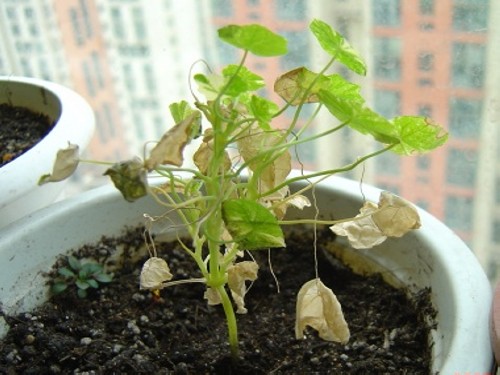
What to Do When Tropaeolum majus Leaves Turn Yellow? Causes and Solutions
Tropaeolum majus, also known as garden nasturtium, can be grown as a perennial in southern China; in North China, it is mostly sown in autumn, grown indoors in pots, and used as a spring-welcoming flower, made to bloom during New Year's Day and the Spring Festival. The leaves are lush and the flowers beautiful, with colors including purplish red, orange-red, and creamy yellow. The trailing stems of garden nasturtium twine and climb, the leaves are shaped like bowl lotus, and when the creamy yellow flowers are in full bloom
-
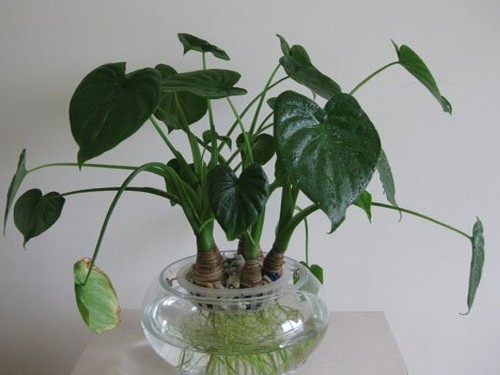
Causes of and Solutions for Root Rot in Water-Cultured Dieffenbachia (Alocasia macrorrhizos)
Many gardening enthusiasts run into the problem of root rot in water-cultured Dieffenbachia. In fact, this situation mostly arises because enthusiasts do not understand water-cultured plants well enough. Many enthusiasts think that simply putting the plant's roots into water is enough, but this is actually wrong. Water-cultured plants must go through a series of steps such as root washing, disinfection
-
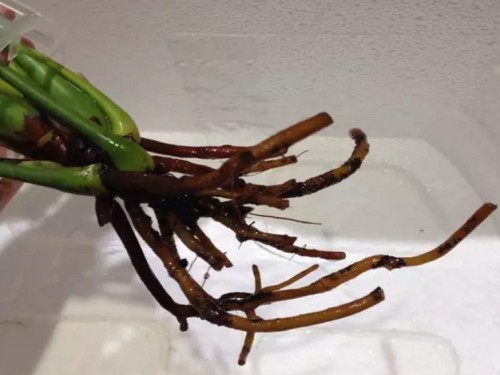
What to Do About Root Rot in Hydroponic Anthuriums? Causes and Solutions
The key to growing Anthurium in water is ensuring healthy root growth. Anthuriums have aerial roots and need plenty of oxygen, but the oxygen in water is far less than in soil, and many factors can cause root rot. Below, we introduce ways to prevent root rot in hydroponic Anthuriums! Hydroponic plants often grow less vigorously than soil-grown ones.
-
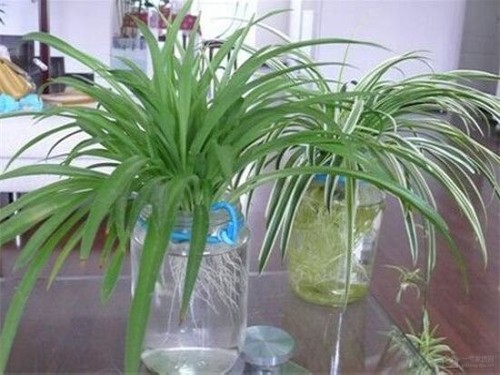
Causes and Solutions for Root Rot in Hydroponic Spider Plants
Spider plant lovers always like to pinch off a few leaves and stems and grow them in water. Careful growers notice that before long, the roots of the spider plant begin to rot. So, what should you do if the roots of a hydroponic spider plant rot? If the roots of the spider plant have already rotted in the water, it is best to first clean the container and the roots of the spider plant, and cut off all the rotted roots
条件筛选