-
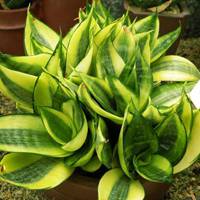
What other names does snake plant have? Get to know these common names
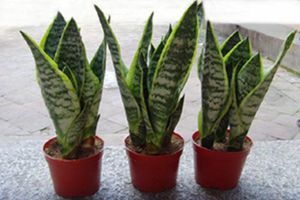
Snake plant leaves are firm and upright, with grayish-white and dark green tiger-tail-like horizontal banded markings on the surface. Its posture is resolute and it is peculiar and interesting. Snake plant is tough and resilient, widely cultivated and used, and is a common indoor potted foliage plant.
-
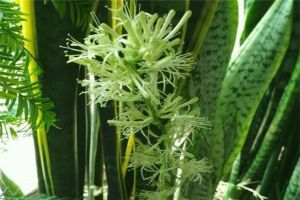
Snake Plant Grows to 1 m Tall, Blooms and Fruits - Why Won't Yours Grow?
Huahua went to visit a neighbor and discovered that their snake plant had actually bloomed! They must have cared for it so well! Huahua quickly asked for their tips and decided to pass the care secrets on to fellow plant lovers - I'm sure our snake plants can bloom too!
-
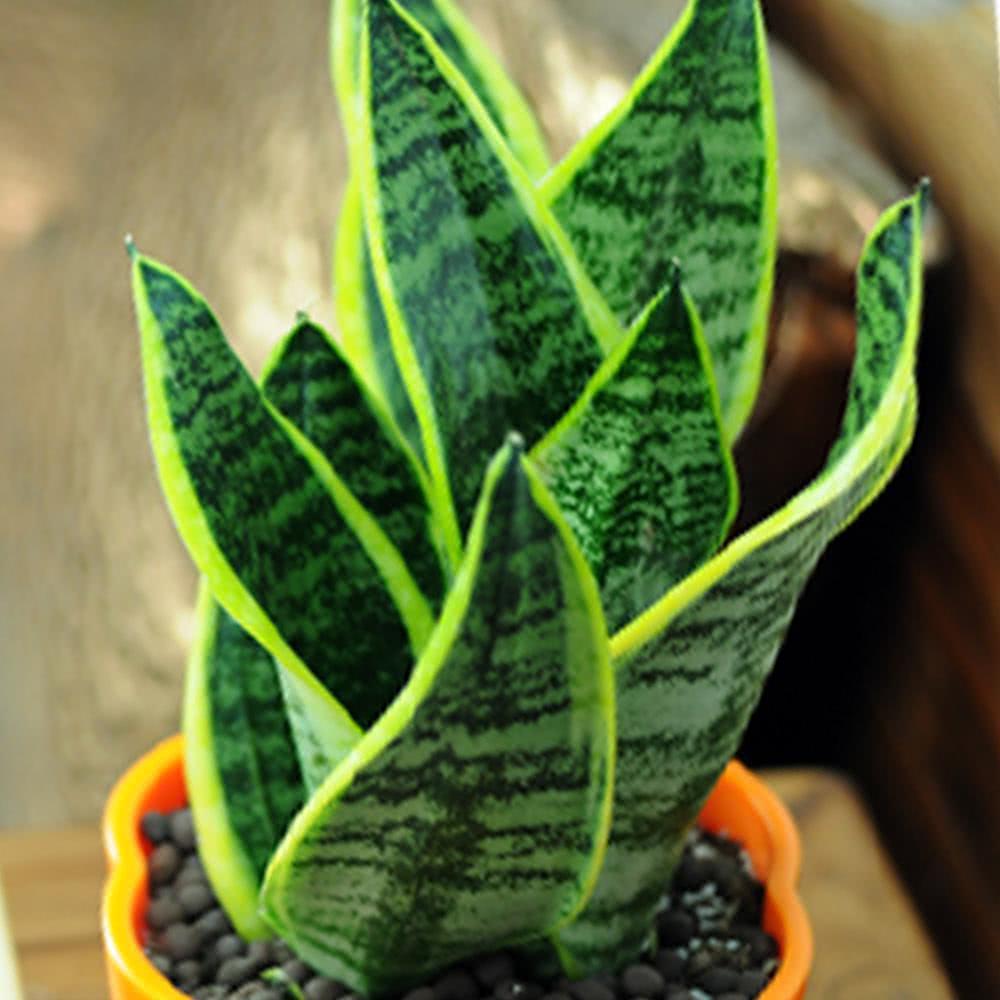
Grow snake plants this way and they will fill the pot within a year
The snake plant (Sansevieria) is a really great plant. It can purify the air, and placed indoors it can effectively absorb some harmful gases in the air; for example, its absorption of formaldehyde is very effective. The snake plant is very cold-tolerant and prefers loose, nutritious soil...
-
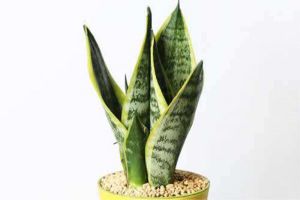
Causes and Solutions for Rotting Leaves on the Golden-Edged Snake Plant
The golden-edged snake plant (Sansevieria trifasciata 'Laurentii') has become a very popular houseplant in recent years, generally grown for its foliage, but if its leaves rot, it can be a real headache. So how should this be handled? First, you need to identify the cause, then apply the corresponding method to deal with it. Specifically, if it has been exposed to cold, remove the rotten leaves and move it to a warm place; if there is too much water, cut off the rotten roots and leaves and control the amount of water; if the potting soil is not breathable enough, replace the soil; if too much fertilizer has been added, add water to dilute it.
-
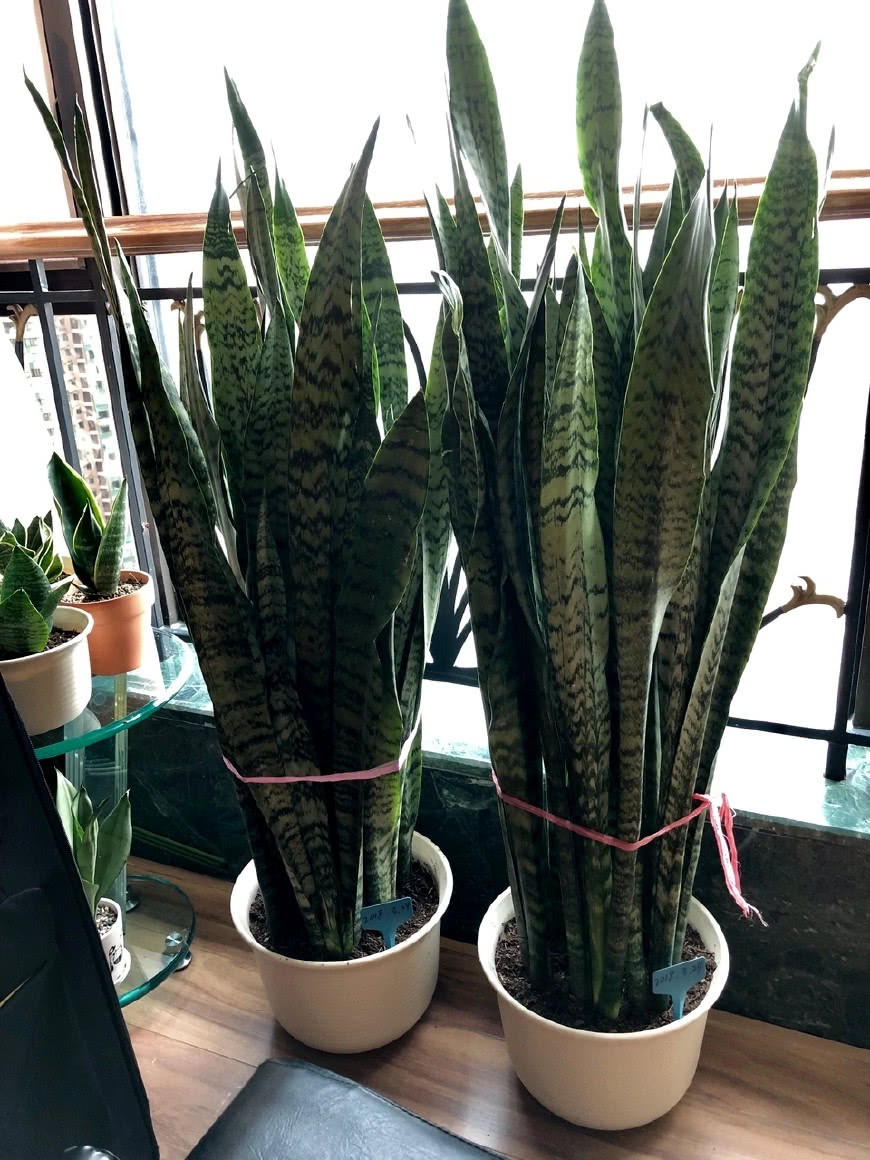
Snake plants are very easy to grow; master the right method and they can grow taller than a person, with offsets bursting out of the pot.
Snake plants are cheap, highly ornamental, with firm, emerald-green leaves and strong adaptability to their environment, making them an ideal potted plant for greening the home. Snake plants are super easy to keep alive; as long as you master the right method, they grow so fast they can get taller than a person! Offsets bursting out of the pot. Summer care...
-
How to grow Sansevieria (snake plant) in water? Growing methods and precautions
When growing this plant in water, pay attention to these points. First, we should choose the container according to its size. Second, we need to treat its roots; generally speaking, this means washing the roots and trimming the roots. Finally, pay attention to the amount of water added; just leave one third of the roots exposed. In addition, we should normally make sure it gets enough light and water, and regularly clean and change the water.
-

Do five-headed snakes really exist? I have never seen one to this day.
As we know, India has a mystical fascination with snakes, and many people's understanding of India begins with snakes, especially cobras, which are highly sought after for their unusual appearance, and in many temples in India there are...
-
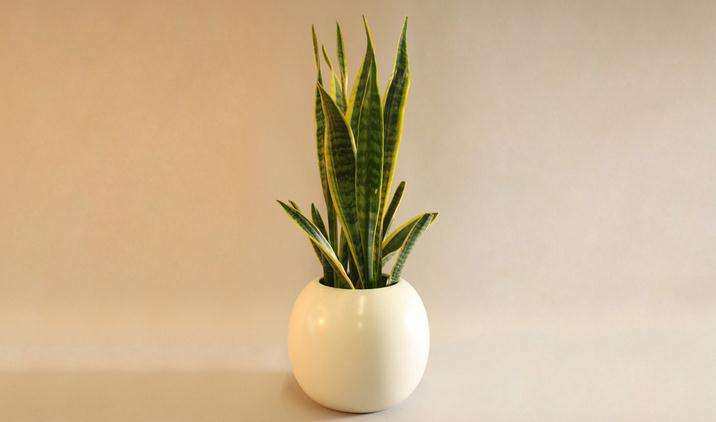
Snake plant propagation is simple: leaf cuttings in water root in 15 days and keep growing nonstop
The snake plant is a common houseplant. It stays evergreen all year round, with emerald green, thick, fleshy leaves, strong adaptability to its environment, and vigorous vitality. After you bring it home, it very easily grows side shoots, and separating those side shoots can also propagate several pots. What's more, propagating a snake plant takes just one leaf...
-
Introduction and Appreciation of the Snow-White Snake-Skin Pattern Variety of Cold Orchid
Cold Orchid - Snow-White Snake-Skin Pattern
-
Causes and Solutions for Shrivelled, Soft Snake Plant Leaves
If its leaves show these symptoms, it may be that the light is too strong, or that it has been exposed to light for too long, scorching it. In that case, put it in a shady area and let it recover slowly. It may also be that it has been watered too much, damaging the roots, which then shows up in the leaves. In that case, put it in the sun to dry out the moisture, then move it to a suitable spot. It may also be a bacterial infection, soft rot disease, in which case treat it with copper oxychloride.
条件筛选