Causes and Solutions for Rotting Leaves on the Golden-Edged Snake Plant
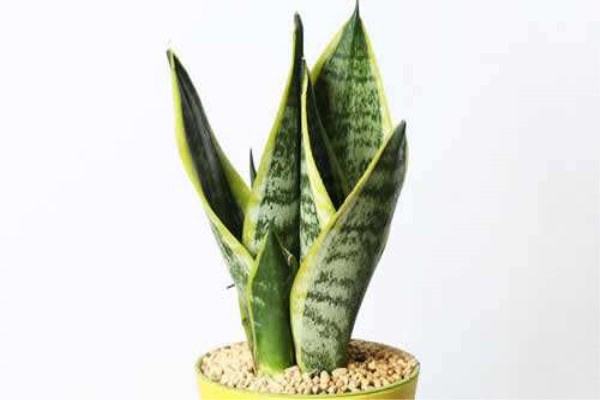
1. Caused by cold damage
Among the many causes of rotting leaves, this is probably the most likely one. Because the snake plant loves warmth, if you do not take care to keep it warm in winter and let the indoor temperature drop too low, this will damage its roots from the cold, and the leaves will rot as well.
Solution: At this point we need to use scissors to cut off the rotten part of the roots, disinfect them with medication, and then make sure to keep it warm, ideally controlling the temperature between 16 and 24 degrees, and never letting it go below 5 degrees.
2. Caused by overwatering
While it is growing, some plant lovers may water it frequently, and since its roots have a limited ability to absorb water, over time the roots' breathing becomes blocked, and at that point the roots begin to rot, and the leaves rot along with them.
Solution: At this point we must not only cut off the rotten leaves and roots, but also control watering. Generally, in winter and spring, the soil should be kept somewhat dry; once the growing season arrives, you can wait until the soil has dried out completely before watering. Also, when watering, do not let water get on the leaves, otherwise the leaves will rot too.
3. Caused by non-breathable potting soil
When we first chose the soil, we may not have used loose, breathable potting soil, which easily leads to compaction during cultivation, and then the roots and leaves also easily rot.
Solution: At this point we need to replace the soil. Generally, a mix based mainly on potting soil and peat soil is used; as long as it is not yellow clay soil, basically any kind will do. After that, as long as drainage is kept working well, the leaves will no longer rot.
4. Caused by too much fertilizer
When fertilizing, if you use a concentrated fertilizer or apply too much, it will cause an excess of nutrients, and at that point the surplus nutrients will burn the roots, causing the roots to rot, and the leaves will naturally rot along with them.
Solution: So at this point we had best cut off the rotten roots and add water to dilute the excess fertilizer. From then on, just apply light fertilizer frequently.