-

Osmanthus Grafting Methods: Rootstock and Scion Selection and Key Post-Grafting Management Points
September is truly the season of osmanthus fragrance, and among ancient Chinese poems praising flowers, the number of works celebrating osmanthus is quite considerable. "Not a plant of the mortal world, transplanted from the moon. A single breath of fragrance from the Guanghan Palace, blown until it blooms across the mountains" - this is about the fragrance of osmanthus. Before you even get close to the osmanthus, you can already smell a refreshing fragrance from afar.
-
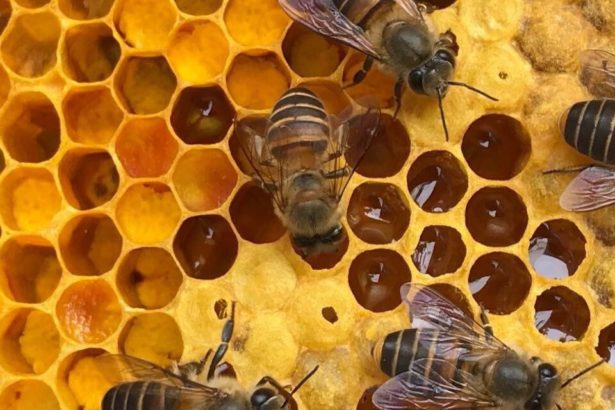
Taiwan's wild bee extinction crisis has a solution! Natural selection breeds disease-tolerant bee species, and antiviral globulin is being developed to boost immunity
Taiwan's wild bee extinction crisis has a solution! Natural selection breeds disease-tolerant bee species, and antiviral globulin is being developed to boost immunity
-
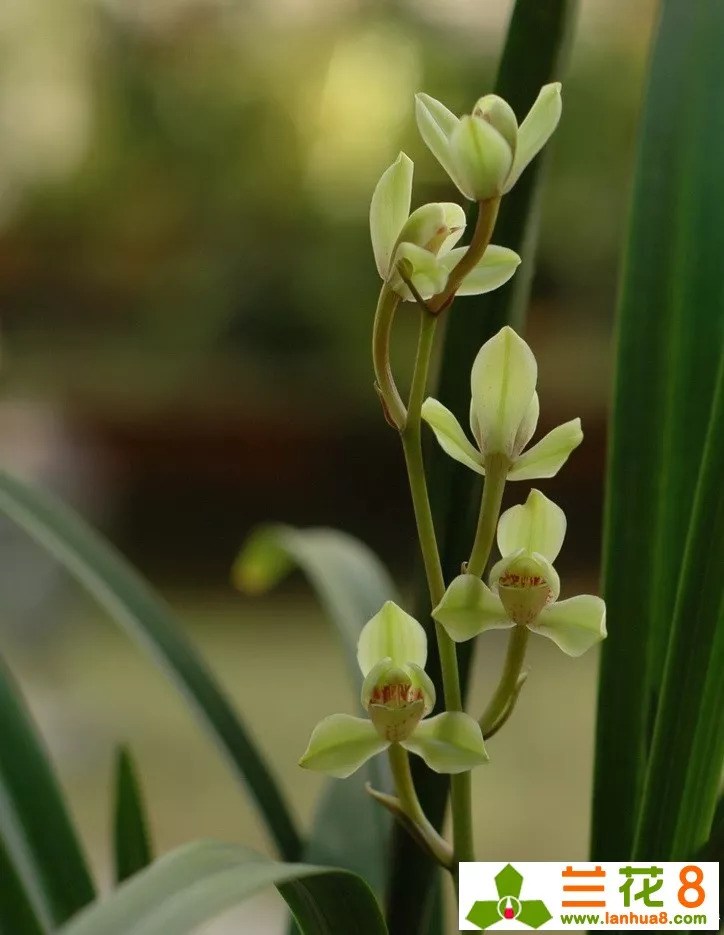
Practical advice on selecting and introducing orchid species: how to choose a suitable variety
Promote Chinese orchid culture, spread orchid knowledge. Selecting and introducing orchids is very complicated. If the selection is poor, it will directly affect your enthusiasm for cultivating orchids; introducing inferior plants or fake plants will directly harm your economic interests. Therefore, when selecting and introducing orchids...
-
Detailed Explanation of Lotus Root Seed Selection and Seed Retention Techniques
(1) Selection and breeding. Lotus root selection and breeding mainly includes methods such as asexual selection and sexual crossbreeding. 1. Asexual selection. China has abundant lotus root germplasm resources, which provides excellent conditions for asexual selection. In recent years, varieties bred from superior plants of asexual lines include Kexuan No. 1, Elian No. 1, Zhehu...
-
Key Technical Points for Site Selection, Land Preparation and Fertilization in Yam Cultivation
How should yams be managed after planting? From planting until trellising, timely cultivation and weeding should be carried out; later cultivation should be shallow rather than deep, so as not to damage the roots. A few days after the yams emerge, they begin to send out vines, so supports must be set up immediately to train the vines; to increase the light-receiving area, a trellis height of about 1.5 is best. After sowing and until the vines grow, manure can be spread on the ground surface, spread...
-
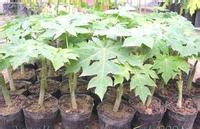
How to choose papaya seedlings? Master these methods to select high-quality, good seedlings
To grow papayas, you must first choose good seedlings. Look, these fruits are growing pretty well, aren't they? When choosing seedlings back then, there were actually many little tricks. Reporter: Hello, viewers and friends. Beside me are two papaya plants. One bears long-shaped fruit, and the other bears round fruit. Both plants are growing well. But if you ask which one is better...
-
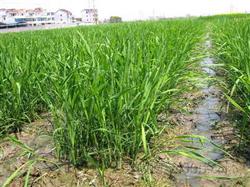
Key Technical Points for Seed Selection and Purification-Rejuvenation of Water Bamboo (Zizania latifolia)
When selecting seeds for planting water bamboo, the "three selections" are generally carried out, namely primary selection, re-selection and fine selection. Six to seven days before the autumn water bamboo harvest, the primary selection is carried out. The method is to select plants with medium height, large fleshy stems, flat stalks, long leaf sheaths, and uniform, neat growth, matching the variety's characteristics, as seed plants. During the water bamboo harvest period, the re-selected plants are those from which gray water bamboo and male...
-
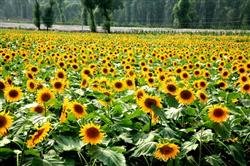
What are the key technical points for selecting sunflower seeds in the field?
I. Selection of the plot, determination of sowing date, sowing rate and density: When planting sunflowers, never practice continuous cropping or intercropping in adjacent strips; the same plot must be left at least 3 years apart. Continuous cropping leads to the occurrence of pests and diseases and an imbalance in soil nutrients, causing severe yield reduction. Soil salt content should not exceed 4500 plants/667 sq m, and follow the rule "sparse planting on fertile land, ...
-
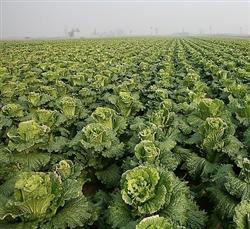
Napa Cabbage Seed Selection Methods and Cultivation Techniques Explained in Detail
Napa cabbage is a leafy vegetable with a large number of leaves, and it forms a head (leaf ball) that is the main harvested organ. Generally, the yield can reach 4000-5000 kg per mu. Napa cabbage has a long growth period, and to achieve high yields, several key techniques must be mastered: 1. Apply sufficient base fertilizer: base fertilizer is the foundation for a bountiful napa cabbage harvest. Generally, old vegetable...
-
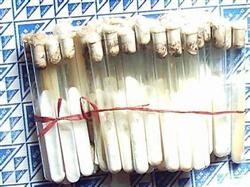
Detailed Guide to Methods and Tips for Selecting Straw Mushroom Spawn
Superior straw mushroom spawn is produced on a straw substrate and overwintered (10-15°C). After overwintering, those proven by early cultivation to be high-quality and high-yielding are selected. Mother spawn (first-generation spawn) is then obtained through tissue isolation and further expanded for culture, to supply spawn for that year's production. Mushroom growers should pay attention to the following points when selecting straw mushroom spawn: 1. Straw...
条件筛选