-
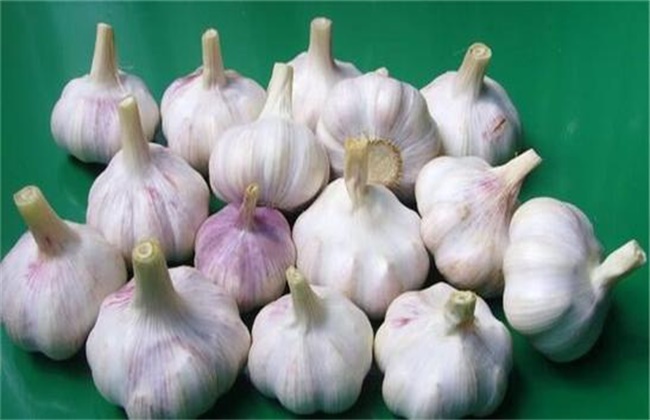
Garlic Seed Selection and Treatment Methods for Garlic Planting
Garlic Seed Selection and Treatment Methods for Garlic Planting
-
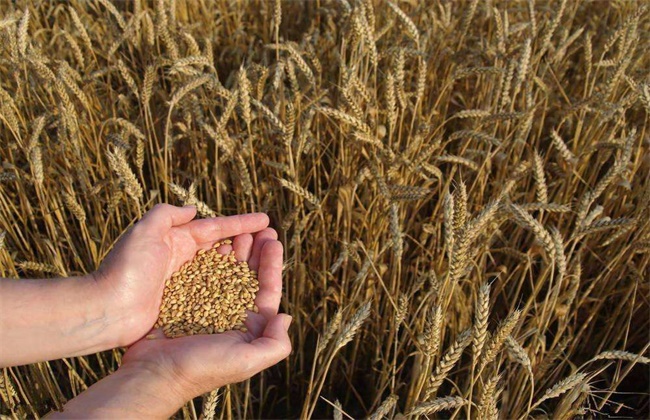
Wheat Seed Selection Methods and Practical Tips Explained in Detail
Wheat Seed Selection Methods and Tips
-
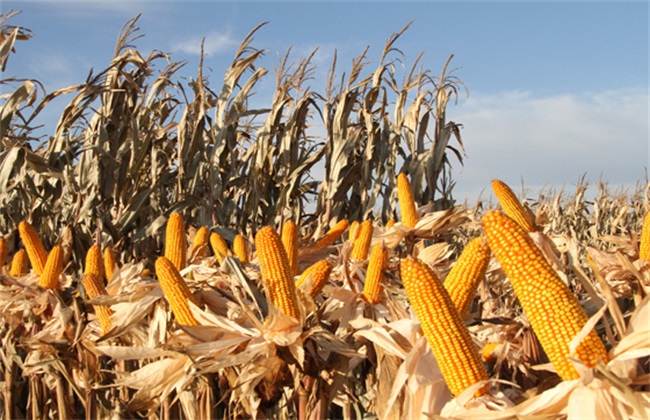
What corn seed variety is good to choose? Seed selection tips shared
What corn seed varieties are good
-
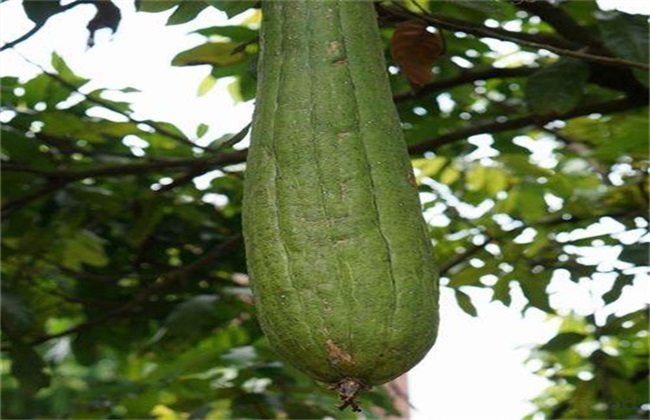
A Detailed Guide to Saving Loofah Seeds: How to Select High-Quality Seed Gourds
How to Save Loofah Seeds
-

Detailed Explanation of Key Technical Points for Seed Selection and Seed Retention in Lotus Root
Seed Selection and Seed Retention Techniques for Lotus Root
-

What Is Improved Rice Seed? A Detailed Guide to Selecting Seed Varieties Adapted to Local Conditions
Improved rice seed has relatively stable, specific heredity, as well as relative biological, economic and morphological uniformity. In a specific region, under specific cultivation conditions and within a specific period, it meets production needs in terms of yield, maturity period, quality and adaptability. Besides possessing the basic qualifications of a variety, improved rice seed must also have advantages such as high and stable yield, excellent grain quality, disease resistance, insect resistance and strong stress resistance. A good rice seed should include 3 aspects: first, it must have high yield, high quality,
-
Huizhou promotes 31 high-efficiency rice varieties for farmers to select for planting
On July 10, experts from the National Agricultural Technology Extension and Service Center of the Ministry of Agriculture, accompanied by the person in charge of the Seed Station of the Provincial Department of Agriculture, visited the Municipal Institute of Agricultural Sciences, the unit undertaking the national rice regional trials in our city, to inspect the national rice regional trial work. It is reported that our city has successively completed the regional trial tasks for more than 400 rice varieties assigned by the state. The experts inspected the implementation of the national rice regional trial field experiments undertaken by the Municipal Institute of Agricultural Sciences and highly praised the institute for its solid completion of the national rice regional trial work. According to reports, the Municipal Institute of Agricultural Sciences since
-
Rice Research Institute of Jilin Academy of Agricultural Sciences selects high-quality rice varieties
At the recently concluded evaluation of high-quality rice varieties (lines) in Jilin Province, "Jigeng 81" and "Jigeng 83", bred by the Rice Research Institute of the Jilin Academy of Agricultural Sciences, were rated as "high-quality rice varieties", and another 6 lines were rated as "high-quality rice lines". It is reported that this high-quality rice variety (line) evaluation was the third such event held after 1995 and 1998. The 10 high-quality rice varieties selected in the previous two events have already been promoted and applied on a large scale in production thanks to their good quality and high yield
-
Rice cultivation in cold regions requires water-saving irrigation, selection of improved varieties, making the most of accumulated temperature, and growing strong seedlings
Heilongjiang Province is located in a high-cold region, where heat and water resources are relatively scarce, annual atmospheric precipitation is extremely unevenly distributed, spring is windy with little rain, and drought is quite severe. The author discusses how to achieve water-saving, high-quality, and high-yield rice cultivation in cold regions. 1. Selecting excellent varieties is the prerequisite for ensuring high-quality and high-yield rice. The varieties that rice farmers plant directly affect the quality and yield of rice. Therefore, in production, varieties with a suitable maturity period, excellent quality, stable and high yield, and strong stress resistance should be selected. First, select varieties that have passed national approval, been named, and promoted, which can ensure relatively stable rice traits, steady and rising yields, and safe and reliable use; second, introduce varieties with suitable maturity periods according to different accumulated temperature zones, and never introduce varieties across zones; third, pay attention to seed quality, and select first-grade improved seeds with a purity above 98%, a germination rate above 90%, and a moisture content no higher than 14% for production use; fourth, purchase seeds from nationally certified seed companies, research institutes, and agricultural colleges, and eliminate blind planting; fifth, in actual planting, unify varieties as much as possible, plant in contiguous fields, form scale, and achieve industrialized planting.
-
Garlic Seed Selection and Saving Methods and Key Technical Points
Garlic is propagated by using the bulbs as seed. For seed saving, choose bulbs with thick, sturdy stalks, deep green leaves, a good root system, no pests or diseases, and that are large and plump. At the same time, pay attention to timely harvesting. If the bulbs are harvested too early, the cloves will not be plump or firm, and when planted the following year they will have weak germination vigor, uneven emergence, and leaves that curl into tubes without opening; if harvested too late, the outer skin of the bulbs will split, and many cloves will scatter. The harvest time is generally best 25-30 days after the garlic scapes are harvested. At harvest, the aboveground part should have four or five leaves, the cloves should be countable by hand as raised bumps, and the outer skin should be purplish red. When harvesting garlic bulbs, you must
条件筛选