-

Detailed Explanation of Key Techniques for Super-High-Yield Cultivation of Double-Season Rice in South China
(1) Sow at the right time and cultivate strong seedlings. For early rice, use dry-raised seedlings, with a seeding rate generally of 90 g/m2 and a sowing period in mid-to-late March; for late rice, use sparse sowing for strong seedlings or two-stage seedling raising, with a seed rate of about 1.0 kg per mu. (2) Ridge and bed cultivation. Bed width 3-4 m, ditch width 0.2-0.25 m, and open surrounding ditches well to facilitate water management and field operation management. (3) Wide-row close planting. The planting density is 30-40 hills/sq m, with a row spacing of about 25 cm. Generally, early rice has 3-4 seedlings per hill, and late rice is transplanted as single seedlings or double seedlings, ensuring
-
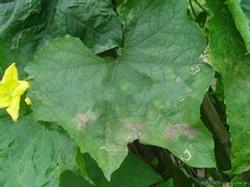
Detailed Explanation of High-Yield Cultivation Techniques for Two Crops per Season of Spinach and Welsh Onion
I. Disease Symptoms (I) Luffa Downy Mildew mainly affects the leaves. Diseased leaves first show irregular pale yellow to bright yellow spots, which later expand into angular yellowish-brown lesions. In humid conditions, a purple-black mold layer appears on the underside of the lesions. In the later stages, the lesions merge into patches, the leaves wither and die, causing severe yield loss. The pathogen is Pseudoperonospora cubensis...
-
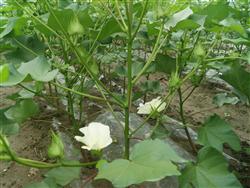
Control methods for cotton boll rot (bolls) during the rainy season
How to prevent cotton boll rot (bolls) during the rainy season? Please provide an introduction. During the rainy season, the following methods can be used to prevent cotton boll rot (bolls): 1. Scientific fertilization: Most of the cotton currently cultivated is insect-resistant cotton, which generally requires large amounts of base fertilizer and bud fertilizer, and no flower and boll fertilizer, to prevent excessive growth and increased shading. Nitrogen should be controlled, phosphorus increased, and...
-
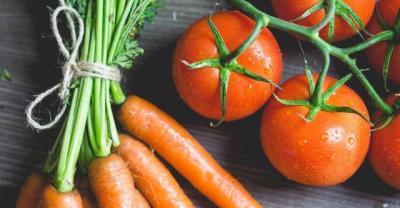
How to eat seasonal vegetables all year round? Follow the seasonal chart and take your time choosing
In winter, the weather is cold, and the variety of vegetables gradually decreases. Many families used to just make do with cabbage, potatoes and big chili peppers. Oh, people in Northeast China might add...
-
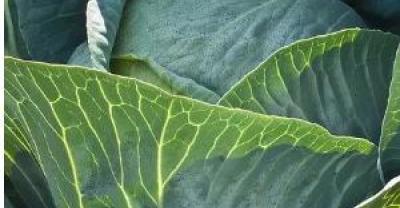
What vegetables to eat during Major Heat: 7 recommended seasonal health vegetables
What vegetables are good to eat during Major Heat? Major Heat, one of the 24 solar terms, is the hottest period of the year. In the hot weather, diet is also very important...
-
Two-crop Double-season Garlic Cultivation Techniques
I. What is two-crop (double-season) garlic. So-called two-crop (double-season) garlic means planting one season of early green garlic and one season of plastic-film garlic (also called harvest garlic, harvested for scapes and bulbs) within the year. II. Benefits of two-crop garlic 1. It can effectively raise land utilization and realize a "three plantings, three harvests" or "four plantings, four harvests" cropping system in one year, namely "corn → green garlic → harvest garlic" or "corn → watermelon or winter melon → green garlic → harvest garlic". Every year 4-5 days before the "Qingming" solar term, plant 2 rows of corn along the edge rows of the garlic (planting waxy fresh corn is best), and leave the corn stalks to cover the garlic; interplant early watermelon or winter melon in the wide rows of the garlic (harvest garlic) (watermelon or winter melon is grown by the seedling transplanting method), and harvest garlic bulbs in batches while the watermelon or winter melon grows; plant green garlic around mid-July, and lift and market the garlic from late September to early October; plant plastic-film harvest garlic in mid-to-late October.
-
Detailed Explanation of Key Techniques for Off-Season Summer Radish Cultivation
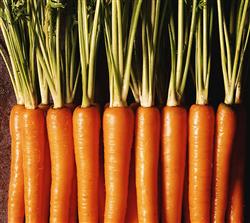
How to cultivate pollution-free radish? Please refer to the following planting techniques for cultivating pollution-free radish: Site selection and sowing. For pollution-free radish, the key points in site selection are that it must not be around heavily polluted industrial factory areas, and the source of irrigation water must not be polluted. In addition, radish has a wide adaptability to soil...
-
How to prevent and control leaf spot disease in ginger during hot and rainy seasons?
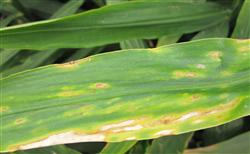
How to prevent and control leaf spot disease in large ginger during hot and rainy seasons? Please give an introduction to the methods. During the hot and rainy season, the occurrence of leaf spot disease in large ginger is on the rise, and prevention work for this disease currently needs to be done well. Ginger spot disease mainly damages leaves. Infected leaves develop yellow-white elliptical or irregular lesions, and in humid conditions scattered small black dots grow on the lesions...
-
What vegetables are suitable for planting in August? Recommended seasonal varieties
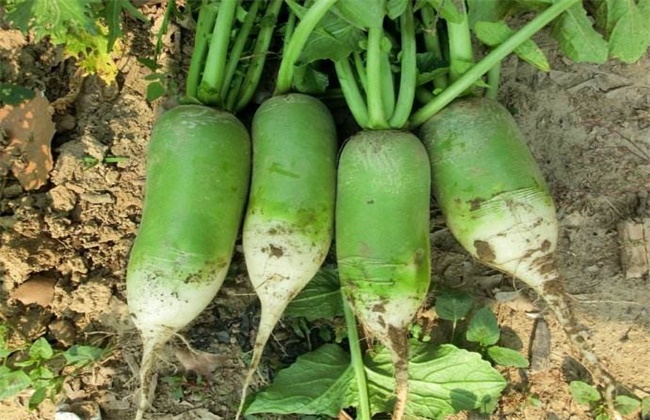
What vegetables are suitable for planting in August
-
Detailed Explanation of Key Points of Off-Season Cultivation Techniques for Water Bamboo
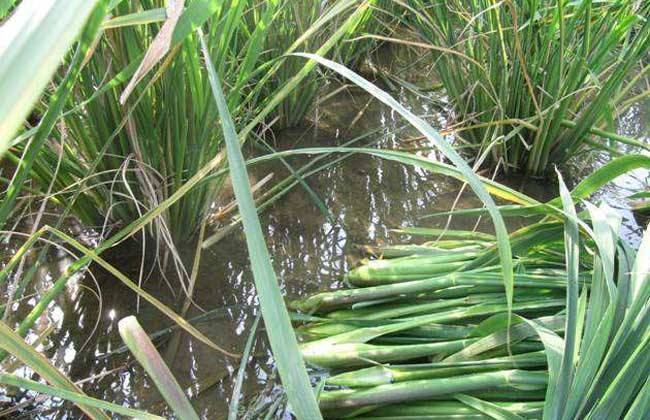
Off-Season Cultivation Techniques for Water Bamboo
条件筛选