-
Propagation and Cultivation Methods for Sageretia Bonsai
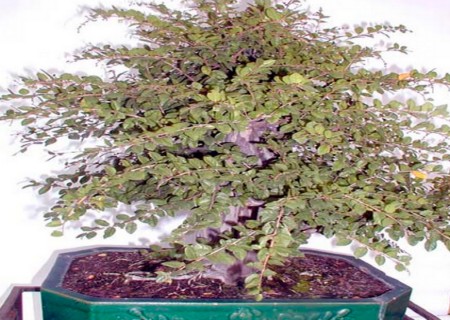
Sageretia thea, also called sageretia and Chinese sageretia, is a sprawling shrub in the genus Sageretia, family Rhamnaceae. The bark is grayish-brown, the branches slender and long, and the leaves small and leathery. The flowering period is September to October, with spicate panicles that are greenish-white. The fruiting period is April to May of the following year, and the fruit turns purplish-black when ripe, giving it high ornamental value. Sageretia thea prefers light
-
What are the requirements of a Sageretia bonsai for its growing environment?
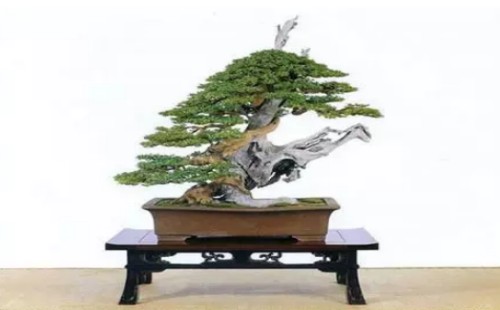
Sageretia (Sageretia thea) has strong adaptability to the environment, with tenacious vitality and vigorous sprouting ability, and its tree form is endlessly varied. Precisely because of this, people often take advantage of this characteristic to make it into bonsai for appreciation. In fact, Sageretia is indeed an excellent material for bonsai, and it can be seen in many places.
-
Does a Sageretia bonsai lose its leaves after entering winter?
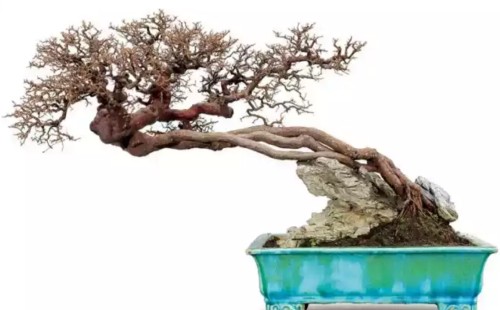
Sageretia has a graceful form and high ornamental value, so many bonsai enthusiasts like to train it as a bonsai. It is also very widely used in Lingnan-style and Su-style bonsai, and is one of their main bonsai materials. But Sageretia likes a warm and humid growing environment and is not cold-tolerant, so does a Sageretia bonsai lose its leaves in winter
-
Are Sageretia bonsai suitable for growing in the north?
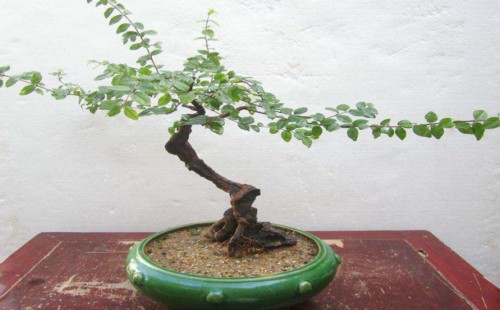
Sageretia is an excellent material for making bonsai, especially in Lingnan-style bonsai, where its qualities can be fully brought out. But Sageretia likes a warm, humid growing environment and is a tree species suited to tropical and subtropical regions, so it is very well suited to being grown in southern China. This is because temperatures in southern China are relatively high
-
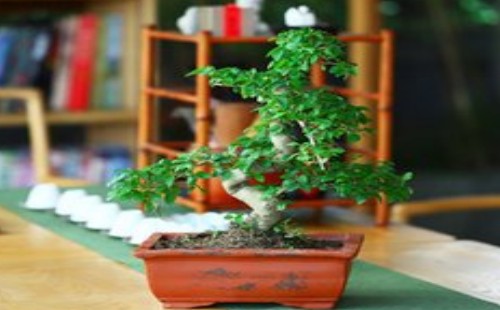
Will Sageretia thea be killed by scorching sun exposure?
Gardeners who have grown flowers and plants in pots naturally know that light plays a very important role for green plants. After all, plants need to carry out photosynthesis, and even shade-loving and shade-tolerant plants need photosynthesis to promote metabolism and achieve growth through the cycle of renewal.
-
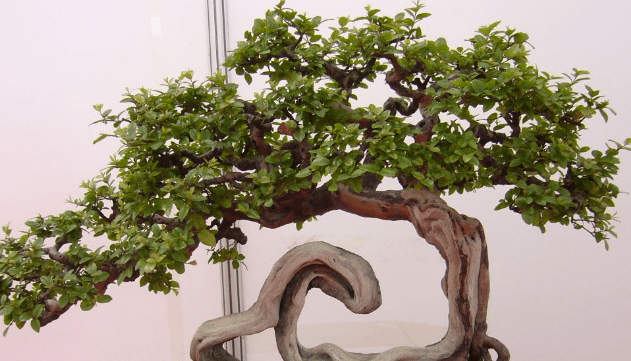
How to grow a Sageretia bonsai? Detailed guide to cultivation methods
When a bonsai is made into a bonsai, the roots are very strange, and its tree is full of vitality and rustic charm. This kind of flowers, plants and trees is very suitable for making bonsai. Below, the editor introduces the bonsai planting methods to everyone, and hopes it will be helpful to everyone
-
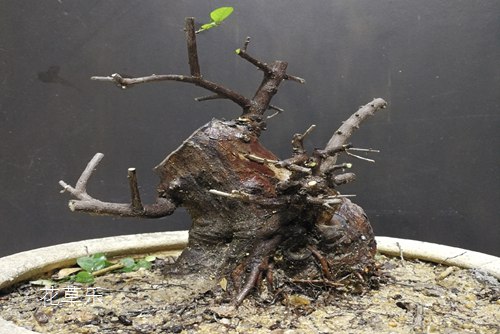
Sageretia is one of the Seven Sages of bonsai, yet it is hard to keep alive? Teach you how to improve the survival rate
Since ancient times, Sageretia has been an important material for making bonsai, and has long been known as one of the Seven Sages of bonsai. In gardens, Sageretia can be used as a hedge or vertical greening material, and is also suitable for planting among rocks. Sageretia belongs to the Rhamnaceae family; its roots and trunk are naturally peculiar, and its tree form is vigorous and ancient-elegant. It is one of the main tree species for Chinese stump bonsai.
-
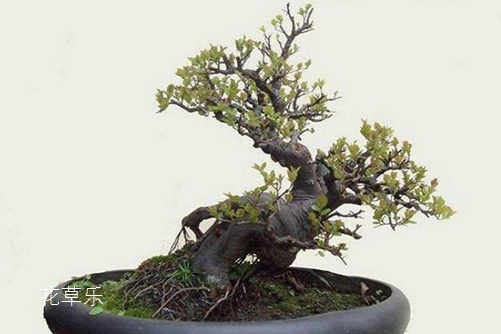
Sageretia is easy to keep alive but hard to cultivate well - watering is the key to bonsai care
The Sageretia tree has an aged, gnarled and vigorous posture, and has long been praised as one of the "Seven Sages" of bonsai; it is one of the five famous trees of Lingnan bonsai. It bears white flowers, and its ripe fruit is edible. Sageretia likes light, tolerates shade, prefers a warm and humid climate, and tolerates pruning. It is one of the main tree species of Chinese bonsai. How can you care well for a pot of Sageretia bonsai?
-
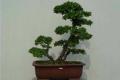
How to Make a Bonsai from Sageretia: Selecting the Stump and Caring for a Sageretia Bonsai
How to Make a Bonsai from Sageretia: Selecting the Stump and Caring for a Sageretia Bonsai
-
What are the planting precautions for Chinese sweet plum (Sageretia thea) bonsai?
What are the planting precautions for Chinese sweet plum bonsai? The roots and trunk of the Chinese sweet plum are naturally peculiar, and its tree form is vigorous and quaint; it is a major tree species for Chinese stump bonsai. The Chinese sweet plum likes humid...
条件筛选