-
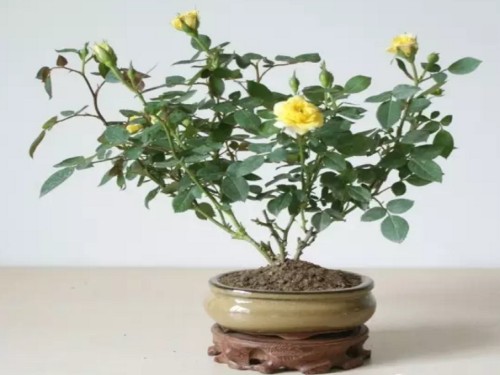
How to Prune Roses - Pruning Methods for Potted Roses
Pruning is one of the important measures in rose management. Pruning must be carried out at every stage of growth to ensure abundant flowers and lush foliage throughout the four seasons. During the growing season, bud thinning, bud pinching and removal of spent flowers should be carried out. Bud thinning means removing the excessive young shoots that grow in spring, keeping 2 to 3 on the main branches and removing all the rest.
-

Detailed guide with pictures and text on water propagation of roses, beginners can learn it at a glance
Roses, known as the queen of flowers and also called "monthly red", belong to the Rosaceae family. They are evergreen or semi-evergreen low shrubs that bloom in all four seasons, mostly red, occasionally white. They can be used as ornamental plants and as medicinal plants, and are also called rose flowers. Roses are propagated by water cuttings, and the survival rate is highest in spring and autumn. In spring and autumn the climate is warm
-

How to propagate and grow roses from bud cuttings? The method is easy to understand with illustrations
Roses are heavily pruned before winter, and the following spring a large number of new buds sprout up and down the branches. To make the plant shape symmetrical, concentrate nutrients, and produce abundant flowers, some of these new buds must be thinned out. These thinned spring buds, used as cutting material, have strong vitality and root easily, and after rooting they grow vigorously. It is a simple and easy propagation method
-

How to propagate roses by water cuttings? Detailed method and steps
Roses are delicate and graceful, beyond the reach of the proud peony, the aloof narcissus, or the flamboyant rose. She buds in summer and blooms quietly, and is crowned the "Queen of Flowers" by people, while some also call her the perpetual flower. No matter what she is called, she always wins the favor of the vast number of flower lovers
-
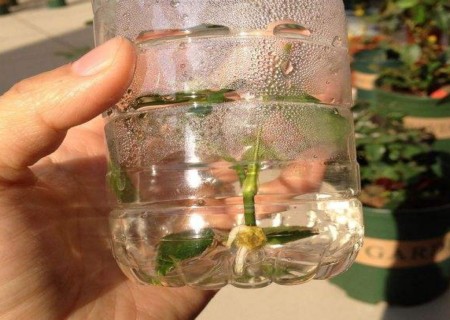
How to propagate roses by cuttings? A lazy person's method
As everyone knows, potted roses are mostly propagated by cuttings and grafting, and right now is the best season for rooting rose cuttings. You may have come across many methods for rooting rose cuttings, and precisely because there are so many methods, you may not know which one to choose. Actually, what the editor wants to tell you is that no matter how you do it
-

Detailed Explanation of the Key Points of the Girdling Cutting Rooting Technique for Roses
The methods of propagating young rose plants are divided into sexual reproduction and asexual reproduction. Sexual reproduction is generally used in breeding new varieties or producing rootstock, etc.; while asexual reproduction can be done through cuttings, division, layering, tissue culture, and other methods. Among the cutting propagation methods for roses
-
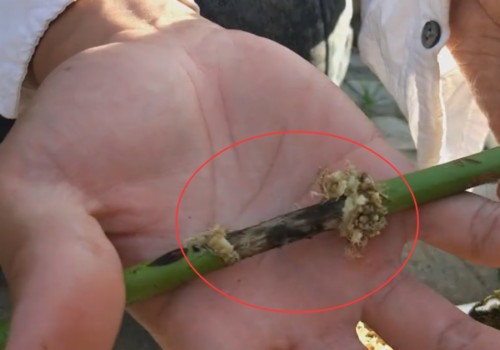
What to Do If Roses Fail to Root After Cutting or Air Layering
There are many propagation methods for roses, among which cutting and air layering are relatively more efficient and have a higher survival rate. However, sometimes we find that whether it is a cut rose or an air-layered rose, we often only see callus tissue but no roots. So in this case
-
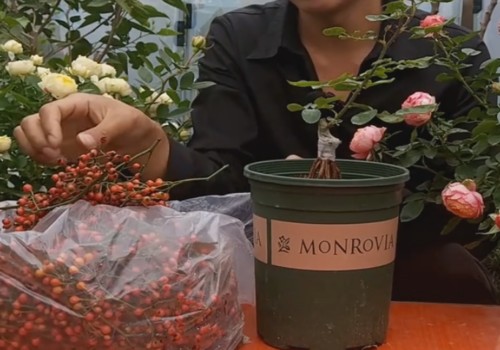
How long after sowing thornless roses can you graft roses onto them?
It is often said that autumn is the season of harvest, and that is absolutely true. The fruits produced by thornless roses (Rosa multiflora) are ready to be harvested, and they can be sown to breed rose seedlings. As everyone knows, roses are an excellent rootstock material for grafting roses.
-
What are the common pests and diseases of roses? Detailed control methods
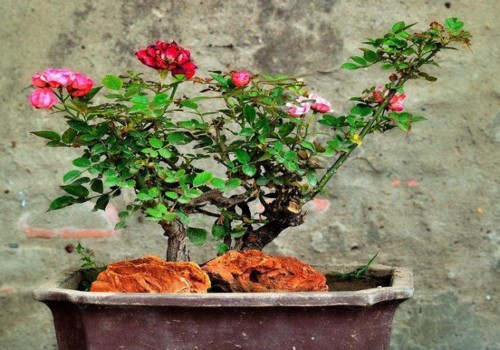
Roses bloom very beautifully, but they are also very susceptible to pests and diseases. So what should be noted when growing roses in home pots? Today, let's talk about several pests and diseases that roses are more prone to. Below is an introduction to the common pests and diseases of roses and their control methods
-
How to care for and manage roses in autumn? A full breakdown of the key points
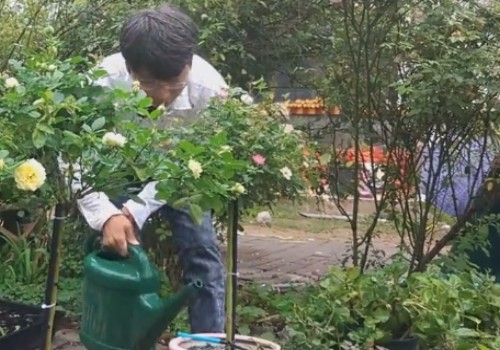
In autumn, when there is more rainy and overcast weather, the temperature difference between day and night is usually very large: the temperature is somewhat higher during the day, and by night it becomes very low. In such a climate, potted roses tend to become very susceptible to disease. Especially after the beginning of autumn, when the day-night temperature difference is large and dew is heavy, roses are very prone to downy mildew
条件筛选