-

Can a cycad with withered leaves and rotten roots still be saved?
For a purchased bare-root cycad that developed withered leaves and rotten roots after 2 months of planting and care, the problem is mainly caused by the following reasons. First, because the cycad was bare-rooted and transported from the south to the north without the necessary wind protection and cold protection measures, its root system was severely damaged and could no longer provide water to the plant, so the leaves usually turn brown first and then die.
-

Apricot varieties whose roots can be used as medicine and methods for protecting the roots
Apricot varieties whose roots can be used as medicine and methods for protecting apricot roots
-

What to Do When Plant Roots Rot? Teach You the Correct Way to Handle It
What to do when plant roots rot? There are many causes of root rot in flowering plants, mainly: (1) Heavy, sticky potting soil: the soil easily becomes compacted, the surface of the potting soil dries out and turns white, but the inside of the potting soil has not dried through. It looks like the plant lacks water, but watering at this point easily makes the soil too wet, causing poor root growth or even root rot.
-
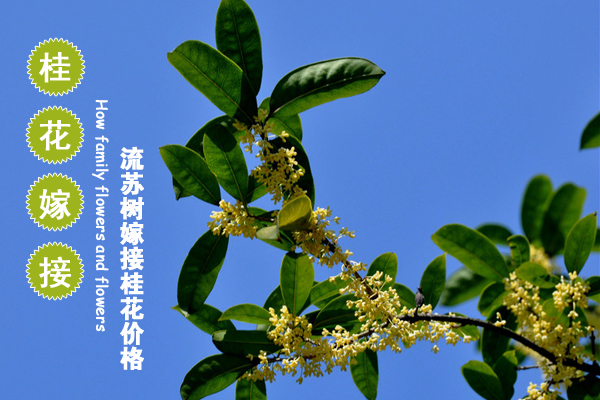
What tree is best used as a rootstock for grafting osmanthus?
What trees can osmanthus be grafted onto? The rootstocks that can be used for grafting osmanthus include small-leaf privet (Ligustrum quihoui), large-leaf privet (Ligustrum lucidum), water wax (Ligustrum obtusifolium), white wax (Fraxinus chinensis), and osmanthus seedlings grown from seed or cuttings. (1) Small-leaf privet: a deciduous or semi-evergreen shrub, 2-3 m tall, with spreading branches and twigs bearing short pubescence
-

Why does corn have roots but no sprouts? How to prevent it
Causes of and prevention methods for corn having roots but no sprouts
-

Why does watermelon fail to grow new roots? How to solve it
Causes and solutions for watermelon not growing new roots
-

The Best Planting Time and Method for Herbaceous Peony Roots, Plus Market Prospects and Cost Per Mu
Herbaceous peony has a long cultivation history in China and is one of the traditional famous flowers. The tree peony is called the king of flowers, while the herbaceous peony is called the minister of flowers. The herbaceous peony is a famous ornamental flower and is widely planted in gardens. So how do you plant herbaceous peony roots? When is the best time to plant them? What are the market prospects? How much capital is needed per mu?
-
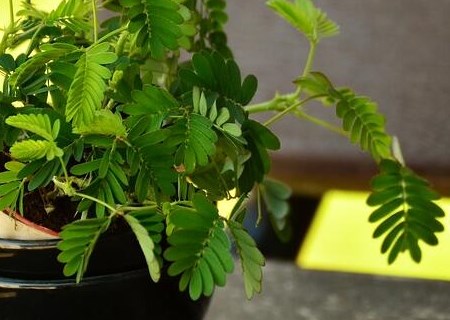
Mimosa Seed Planting Methods, Its Functions, and the Benefits of Its Roots for Human Health
The flowers, leaves and seed pods of the mimosa all have good ornamental value, making it suitable as a potted flower on balconies and indoors. It can also be grown in courtyards and other places. So do you know what the methods for planting mimosa seeds are? What functions does it have? What benefits do its roots have for human health? The mimosa differs from ordinary plants
-

When do pear trees bloom and what are the common grafting rootstocks?
The pear tree is a perennial deciduous fruit tree of the genus Pyrus in the Rosaceae family. It is a tree that is widely distributed around the world. The fruit of the pear tree is edible and has high nutritional and medicinal value. So, when do pear trees generally bloom? What are the common grafting rootstocks? When do pear trees generally bloom? Because pear trees have a wide distribution range
-
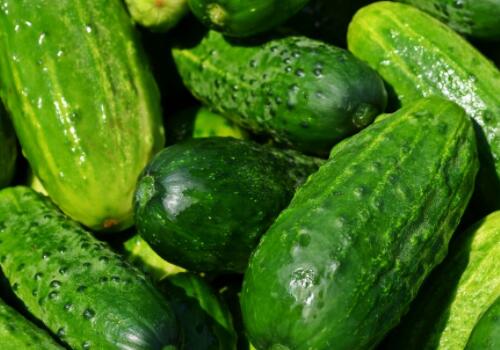
How many jin per mu does grafted cucumber generally yield, and the best rootstock and step-by-step seedling method
Cucumber is also known as Huzhua, Cigua, Wanggua, Qigua, Qinggua, Tanggua and Diaogua. It is commonly cultivated throughout China, and in many areas it is grown in greenhouses or plastic tunnels. So how many jin per mu does grafted cucumber yield? What is best for grafting? How do you graft? What are the cucumber seedling methods? We learned from cucumber grower Mr. He
条件筛选