-

Cymbidium orchids stay evergreen year-round - what should you do if the roots rot?
What to do when a Cymbidium orchid's roots rot - this is a plant that can stay evergreen through all four seasons
-
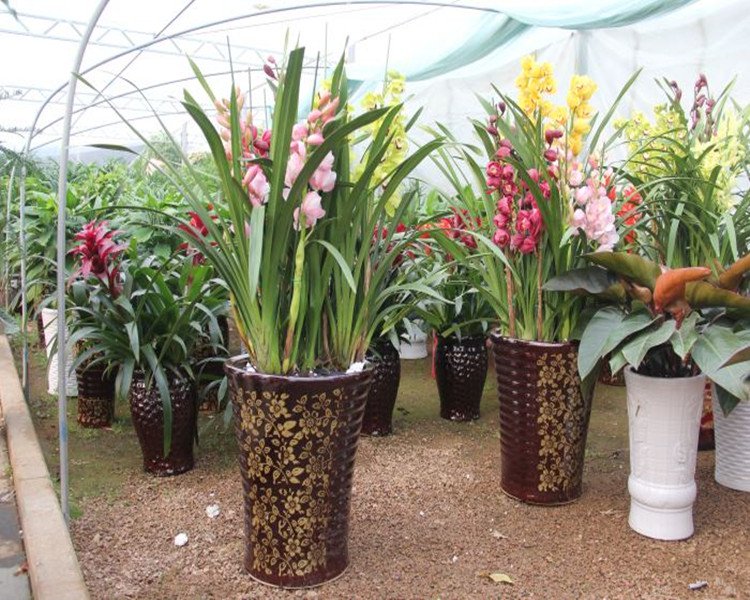
What to Do When Cymbidium Roots Rot? A Few Rescue Methods to Teach You
Cymbidium is a plant that stays evergreen all year round and is very well suited to indoor growing. Cymbidium is an orchid with axial growth, so when choosing a pot you need to pick a tall cylindrical one, the growing environment must have good ventilation, and charcoal and other drainage-friendly material should be added at the bottom of the pot.
-
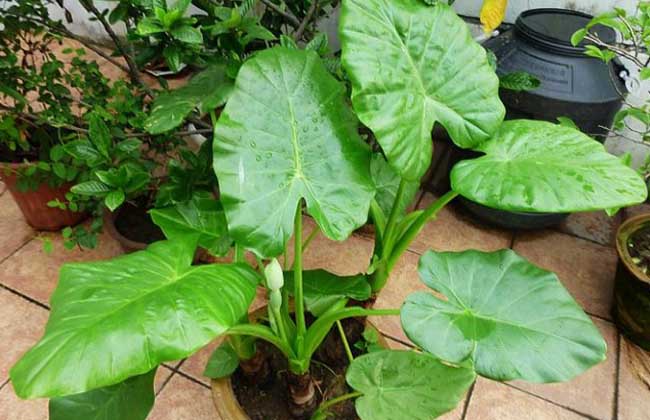
What to Do When Alocasia (Dumb Cane) Leaves Turn Yellow and Roots Rot? Causes and Solutions
When Alocasia leaves turn yellow, dry soil and lack of water can easily cause the leaves to wilt and turn yellow. Solution: During the vigorous growth period from May to September, water once every 2 days, and at the same time, spray more water on the plant surface to increase humidity. In a water-rich, moist environment, Alocasia drips water from its leaf tips and edges
-
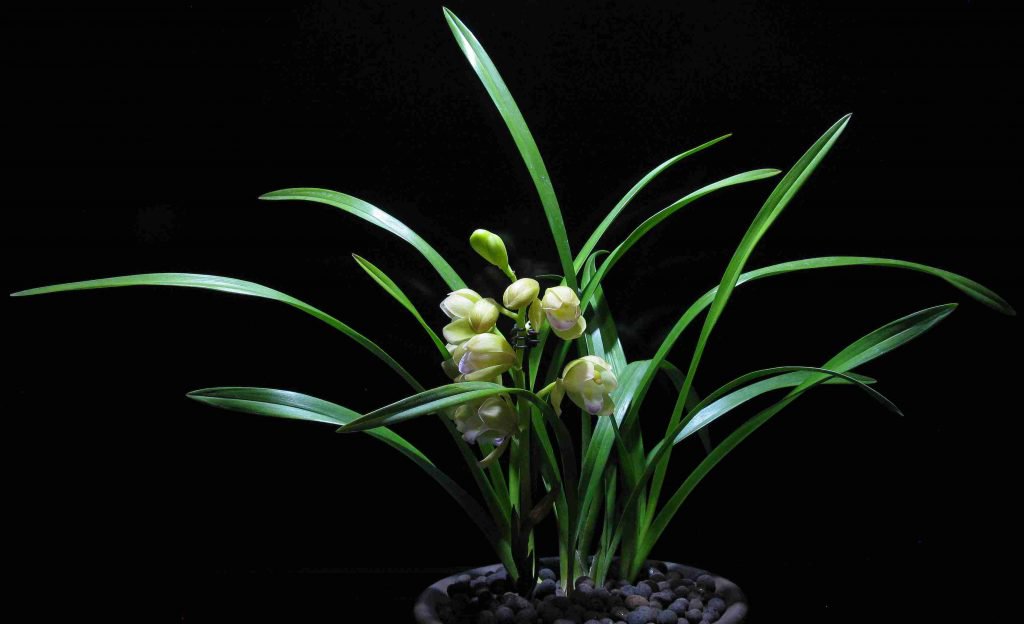
What to Do When Orchid Roots Rot? A Detailed Guide to Remedies and Treatment
What to do when orchid roots rot: choose and mix a good orchid growing medium. The orchid growing medium must drain well and allow air through, moist but not waterlogged, dry but not parched. There are many special orchid growing media on the market today, and they are very suitable, such as Emei Mountain soil from Sichuan and expanded clay from Chongzhou; these all suit the habits of orchids well. Most orchids are not cold-tolerant and prefer cool shade
-
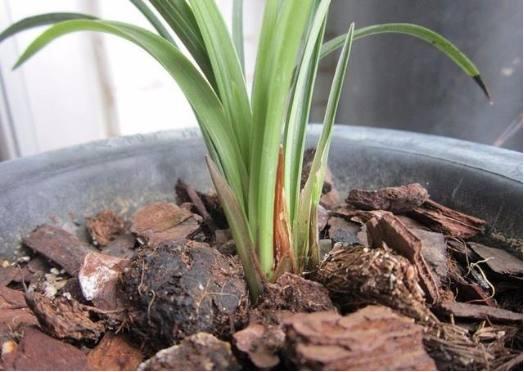
Get the orchid watering method right and the roots will never rot
People say orchids are afraid of watering and afraid of root rot, but that is not actually true. Only with more watering can orchids grow fast. Root rot happens simply because the water used is wrong and the watering method is incorrect. The plant encyclopedia website teaches you how to water orchids so their roots never rot. You should know that wild orchids are not afraid of long periods of rain, and they do not get root rot from too much rainwater
-
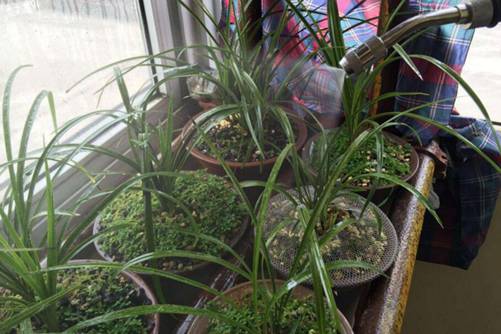
The correct way to water orchids: water them this way and the roots won't rot for 10 years
There are many kinds of orchids, they bloom with fragrant and beautiful flowers, and people love orchids very much, but they also feel orchids are hard to grow, especially when watering them, and they always fail to get it right. Watering orchids is a technical skill. How can you correctly master the techniques of watering orchids? Below, the editor of Huacaole shares orchid watering knowledge with you.
-
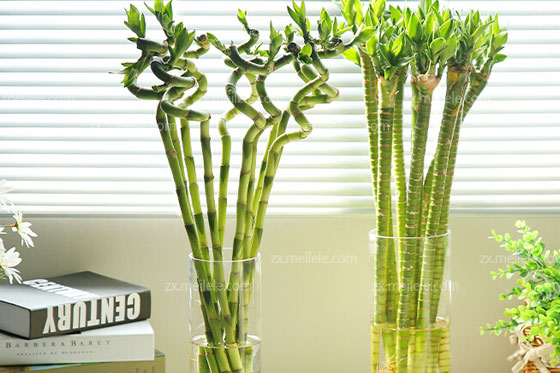
What to do when Lucky Bamboo leaves turn yellow and roots turn black and rot? Detailed explanation of hydroponic precautions
Lucky Bamboo, because of its beautiful symbolism and elegant posture, has become a beloved household plant, but in daily life, even though many people are extremely fond of it and care for it carefully, problems such as yellowing leaves and black, rotted roots are unavoidable, and in the end it does not live very long
-
How do you prune bonsai roots? A detailed guide to pruning methods for green plants and flowers
How to make honeysuckle bonsai thicken and develop strong roots, and teaching you how to improve the roots of honeysuckle so the roots develop and grow faster. This is a flowering plant that likes to climb. Without proper pruning, the branches of honeysuckle will grow into vines, which will be very messy. Therefore
-
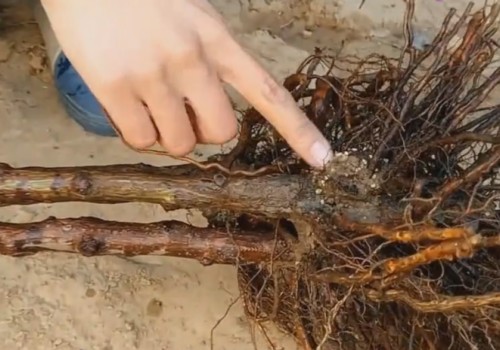
Method for cultivating rose rootstock in autumn and grafting tree roses in spring
Rose rootstock is best planted in autumn, so we can buy it back and cultivate it during this season afterward. If the rose rootstock survives successfully, by the following spring we can use it as rootstock to graft tree roses. However, when autumn actually arrives
-
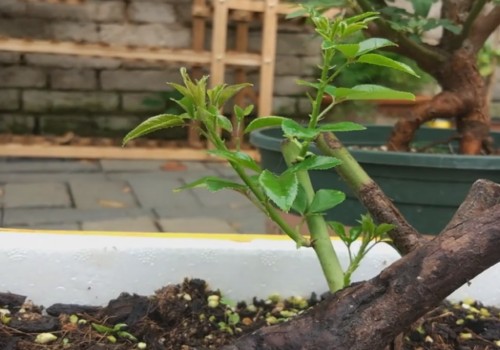
How to grow rose rootstock (Rosa multiflora) for grafting roses
Generally, the Rosa multiflora stumps we dig up from the wild are oddly shaped, and when we plant them in flower pots, many roots are usually exposed above the pot surface, because their root systems are simply too long and too developed. Even if we use deeper gallon pots, their roots can still reach the bottom of the pot
条件筛选