-
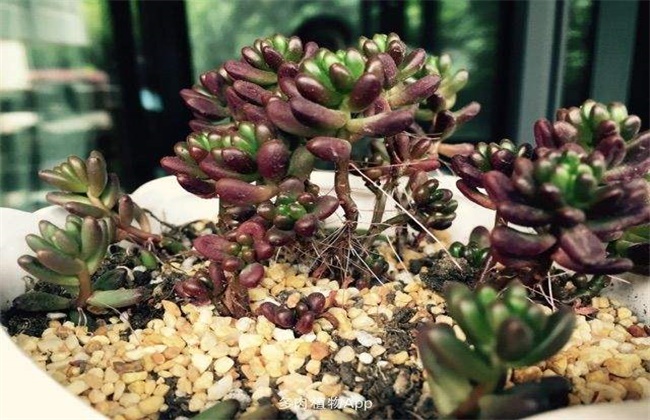
What should I do when Sedum rubrotinctum (pork and beans) grows aerial roots?
What should I do when Sedum rubrotinctum grows aerial roots?
-

Guava and bitter gourd fertility greatly increased, Trichoderma helps decompose, plants grow new roots
Not just guava, even bitter gourd fertility greatly increased! Trichoderma helps decompose, plants grow new roots
-
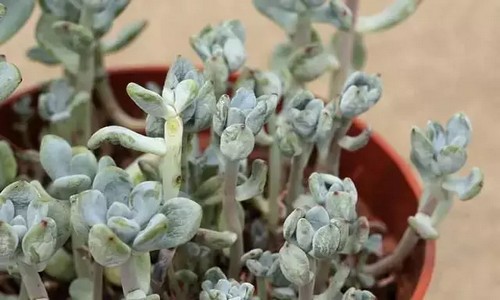
The correct way to water succulents and trim their roots
A few years ago I asked a veteran grower in the succulent community: how should succulents be fertilized? The veteran said he basically doesn't use fertilizer; succulents mostly come from arid regions where the soil is poor, and he had never heard of anyone fertilizing them. With annual root trimming, watering, and
-
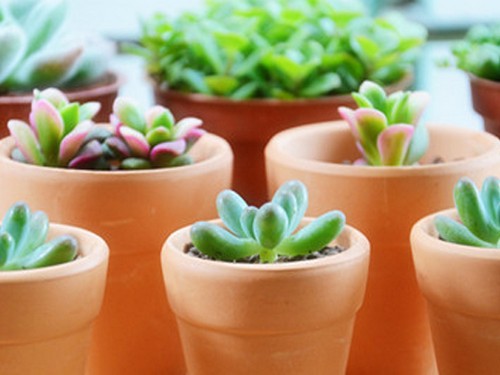
How to trim roots and apply top dressing to succulents? Detailed methods and techniques
Nutrient deficiency in succulents is not common, but fertilizer burn on roots is frequently encountered. As mentioned earlier, the osmotic pressure of succulent root systems is mainly discussed in relation to over-fertilization. The result of over-fertilization is often that each application leads to rot. However, in order to make
-
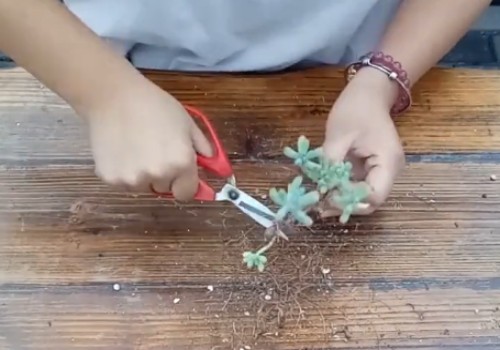
Can the aerial roots of Sedum pachyphyllum be cut off? Teach you how to prevent diseases
Although the ornamental value of the succulent Sedum pachyphyllum is very high, like other succulent varieties such as Haworthia cooperi and Sedum adolphi, it is also relatively prone to growing aerial roots when the root system cannot absorb the nutrients and water needed for growth, which not only reduces the ornamental value of the potted plant
-
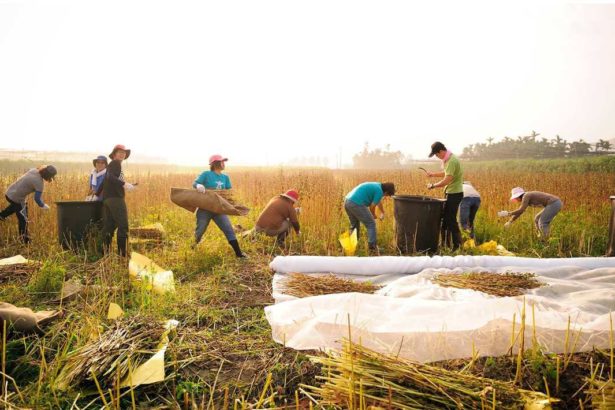
Taiwan Rural Front Summer Cultivation Grassroots Investigation Camp Recruitment: Down-to-earth Understanding of Rural Land
Taiwan Rural Front / Enter the countryside, understand this land down-to-earth, hurry and join the Summer Cultivation Grassroots Investigation Camp
-
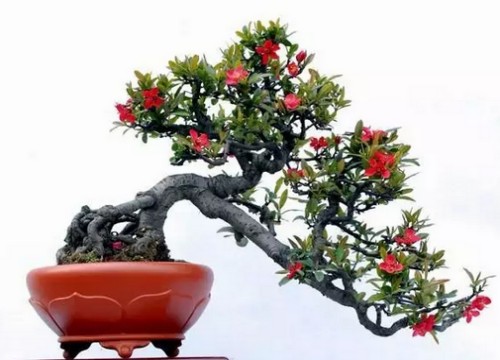
What are the correct methods for correcting bonsai roots?
The longer a bonsai is grown in a pot, the more beautiful its root base becomes, so the age and antiquity of a bonsai tree can be judged from its root base. To create a bonsai with a good root base, use a shallow pot, pile the soil slightly higher than the pot rim, let the roots straddle the mounded soil, barely exposed above the soil surface, spreading out in all directions, and exposed to sunlight to accelerate their growth and transformation
-
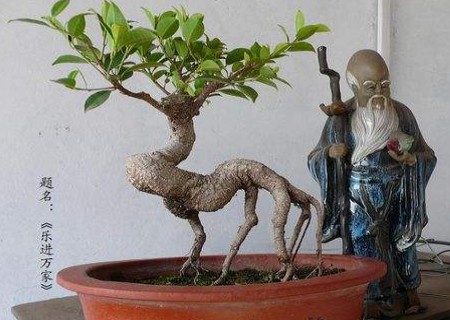
How do you prune exposed roots for bonsai? A detailed guide to the method
We often come across bizarre old trees in wild mountain forests; some are jagged and craggy, some are graceful and elegant, some are ancient and vigorous, and some are majestic and imposing. In short, trees of every type stand in nature with their own postures, becoming part of nature. For ordinary people
-
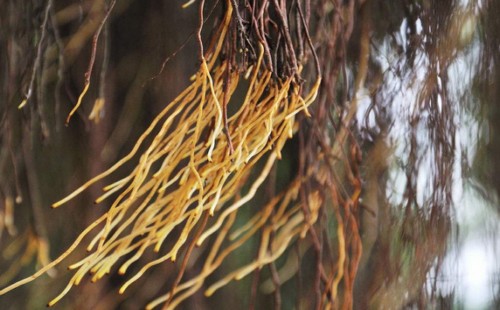
How to grow a bonsai ficus so it develops aerial roots
Ficus trees have the characteristic of growing aerial roots, and these aerial roots hang down from the branches and trunk like a person's beard, making them very distinctive. Some aerial roots are also very long, and can even hang down to the surface of the pot, looking quite unique. On closer observation, the aerial roots growing from the branches and trunk will, as time goes on, develop dangling fibrous roots
-
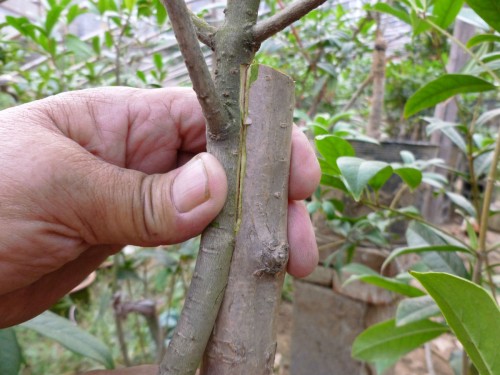
Illustrated Tutorial on the Approach Grafting Method for Stump Bonsai Head Roots
For stump bonsai grafting, the approach grafting method and the cleft grafting method are used. In North China, approach grafting can be carried out from May to August, and the best time is from before the dog days to the third dog days. With outdoor care, success is generally achieved in just over two months. Cleft grafting is carried out in late March when Chinese ash and osmanthus begin to sprout. After grafting, place them in a sunny shed to prevent wind from causing water loss.
条件筛选