-

5 kinds of flowers thrown into water grow big white roots in 10 days, with leaves so plump they could drip oil
Every spring, for flower lovers, the most important thing is repotting their plants. The repotting process is tedious, and one careless move can easily harm the flowers. Today, Huahua is going to share a secret flower-growing method with everyone: no soil needed, no repotting needed, and your flowers can fill the balcony.
-

What to Do If Lilac Roots Rot? Cause Analysis and Solutions
Root rot is something most plants will experience, and the causes are quite similar; generally, there are causes such as overwatering, overfertilizing, and improper fertilizing. If it is due to overwatering, move it to a cooler and well-ventilated place. If it is due to overfertilizing, you can rinse it under water, and if it is too severe, consider repotting it. The treatment for improper fertilizing is similar to that for overfertilizing.
-

Cuttings have a high survival rate; learn these 9 tips and thick white roots will grow like crazy
Many flower lovers are busy taking cuttings at home, but there are always some who say their cuttings do not root, or the branches rot in the soil. Today, Huahua will teach you a few cutting secrets; once you learn them, it will be hard not to get roots and a full pot!
-
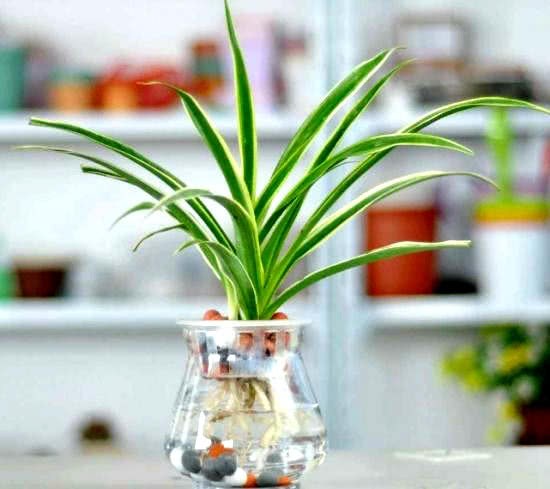
4 common green plants from daily life: stick a branch in water and the roots fill the bottle in 1 month
4 common green plants from daily life: snap off a branch and put it in water, and in 1 month the roots will fill the bottle. Let's take a look below! Umbrella tree (Schefflera arboricola). Umbrella trees have vigorous vitality, a strong ability to adapt to their environment, fast growth, and are relatively drought-tolerant...
-
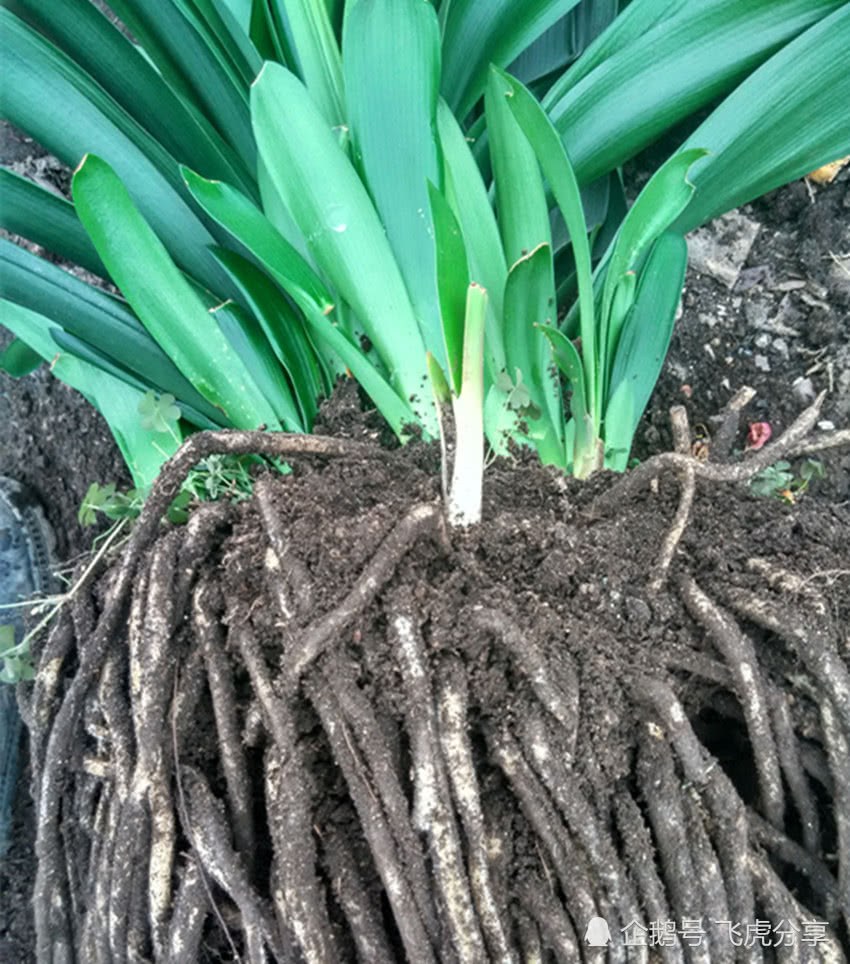
Clever tricks for growing clivia: use them to get more flowers, faster growth, and thick, white roots
When growing plants, first grow the roots; if the roots are good, the stems and leaves will naturally be fine too. Clivia has fleshy roots, and its root system is well developed. Generally, the roots of a mature clivia will fill the entire flower pot within two years. Therefore, when repotting and changing the soil for clivia, it generally should not exceed...
-
The correct method and detailed steps for trimming orchid roots
First, you need to sort the roots, separating healthy roots from unhealthy ones. As long as there are more than four good roots, you can remove all the other rotten roots. At the same time, remove its leaf sheaths, otherwise many parasites will hide inside them. Some broken roots that are still fairly fresh do not need to be trimmed.
-
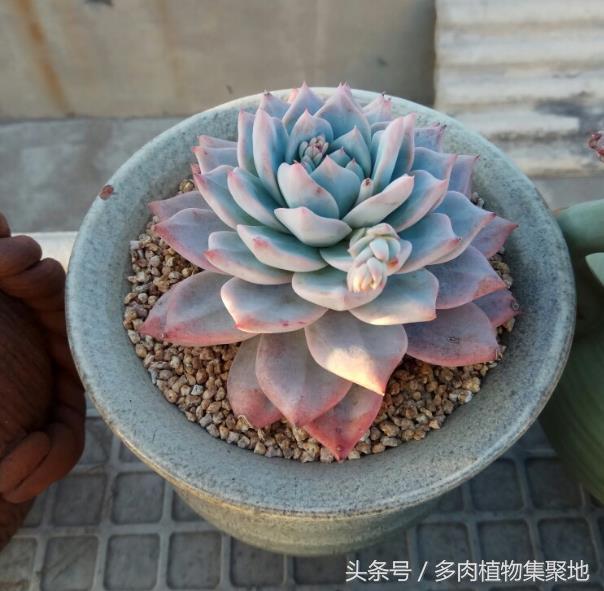
What to do about root rot after fertilizing succulents? Simple steps to make the roots strong
Fertilizing succulents in the wrong season, or fertilizing too much, can cause root rot. Why should succulents be fed with light fertilizer frequently? This comes down to the growth cycle of succulents: the greater the daily temperature difference, the faster they grow. Wait until the potting soil...
-
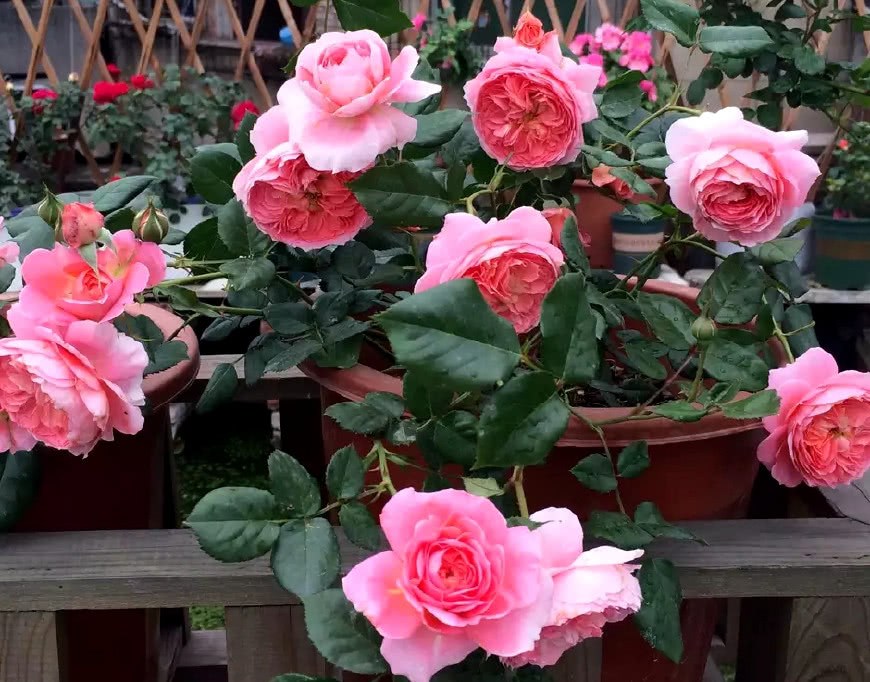
Bury 5 soybeans in the soil, and the roots grow strong, the leaves stay green, and the flowers bloom brightly
Many people love growing flowers, but they do not know how to fertilize them, nor do they know which flower fertilizer suits which flower. They are at a very confused stage. But fertilizing flowers is a key step in growing them well. Without this step, the branches and leaves will not grow lush...
-
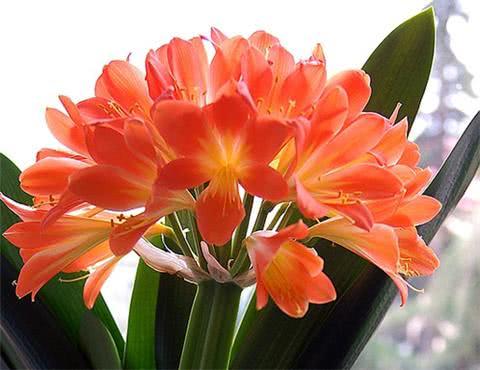
For clivia, just do this one step well, and the leaves will be green, the roots strong, and the flowers will burst into a full pot
Clivia has broad, thick, glossy green leaves and elegant red flowers that bloom gracefully, with red and green setting each other off beautifully, making it an ideal potted flower for beautifying the home. Below is an introduction to the method of repotting clivia! Method of repotting clivia (1). Take out the plant. Clivia's fleshy roots are thick...
-
How to grow ivy in water so it roots quickly
First, use cuttings that have aerial roots, then change the water frequently and keep the water dry, and in this way roots will grow after ten days. At the beginning, it is best to keep it in a dark place, and afterward use indirect light. Also, when you take it out of the soil, you must not damage its roots, and when washing the roots you must not wash off the root hairs on them.
条件筛选