Clever tricks for growing clivia: use them to get more flowers, faster growth, and thick, white roots
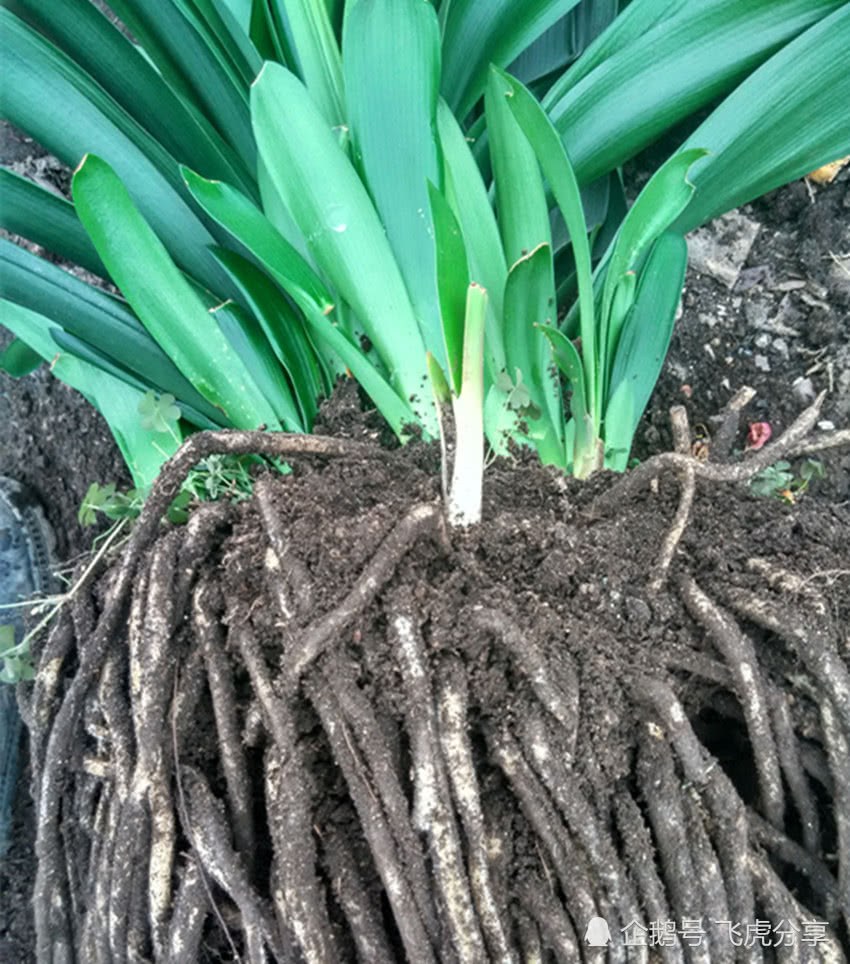
When growing plants, first grow the roots; if the roots are good, the stems and leaves will naturally be fine too. Clivia has fleshy roots, and its root system is well developed. Generally, the roots of a mature clivia will fill the entire flower pot within two years. Therefore, when repotting and changing the soil for clivia, it generally should not exceed three years, and it is best to change the pot and soil once every two years. After two years, the clivia's roots basically can no longer spread out in the pot, which will hinder its growth. But when repotting, it cannot be transplanted directly; it needs simple handling. Only after being handled can the clivia grow fast, bloom abundantly, and have strong roots.
As can be seen from the picture above, the clivia's roots are densely packed and very vigorous. But to grow such vigorous roots, you have to put some effort into the soil. What I use is leaf mold plus river sand plus organic fertilizer. Clivia's roots greatly prefer loose, breathable soil that does not compact. Only such soil can grow thick, strong roots, and only thick, strong roots can make clivia grow fast and bloom abundantly. In addition to good soil, when repotting clivia you also need to give the roots simple treatment so that they grow strong and thick.
Many beginners may repot and change the soil for clivia without treating the roots and just plant it directly into the pot. This way, the roots are very hard to grow well, and if the roots cannot grow well, how can the stems and leaves grow well? Let alone bloom. Therefore, when repotting and changing the soil, you must first cut off part of the clivia's roots with a knife or scissors. As shown in the picture above, when repotting this clivia, I cut off nearly two-thirds of the roots, leaving only one-third of the root system. After being treated this way and repotted, the clivia's roots can stretch freely in the pot. If you plant it into the pot without pruning, the roots have no room to extend, and it is even harder for new roots to regrow. If there are no new roots and it relies only on the old, aged roots above, both its absorption capacity and disease resistance will weaken, which will directly affect the growth of the stems and leaves and flowering. Therefore, doing this job well is very crucial for growing clivia well.
Clivia is a very easy-to-grow flowering plant. As long as you use good, loose, breathable soil when growing it, repot once every two years, properly prune the roots when repotting, and in daily care pay attention to watering less so that the potting soil is moist but not soggy, and place it in a bright indoor spot, you can generally grow clivia plump and strong, blooming every year. For more growing tips, please keep following.