-
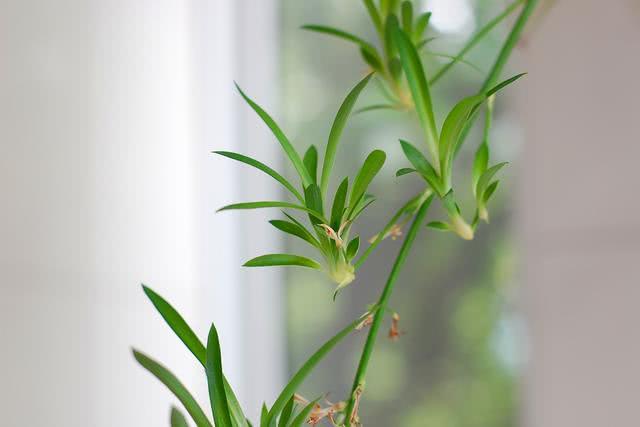
If your spider plant does not send out runners, apply some fertilizer and it will grow lush leaves and strong roots, sending out runners continuously like a waterfall
Lately I often hear people say their spider plant does not send out runners and only grows leaves. Some do not even grow at all. What is going on? It is widely acknowledged that spider plants are easy to care for, because even if you do not water them for a long time, they will not die. Without sunlight, at most they...
-
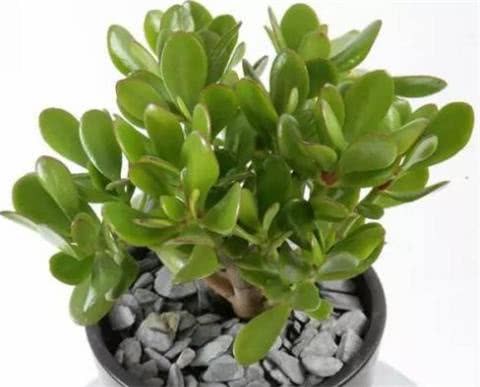
Jade Plant Cutting Rooting Tips: Grow 1 Pot from 1 Leaf
There are generally two ways to propagate a jade plant by cuttings: stem cuttings and leaf cuttings. The survival rate is very high, and the process is simple. Let's look at the specific methods below! Leaf cuttings of the jade plant (1). Select healthy leaves and place them in a cool, shaded spot, and wait for the wounds to heal...
-
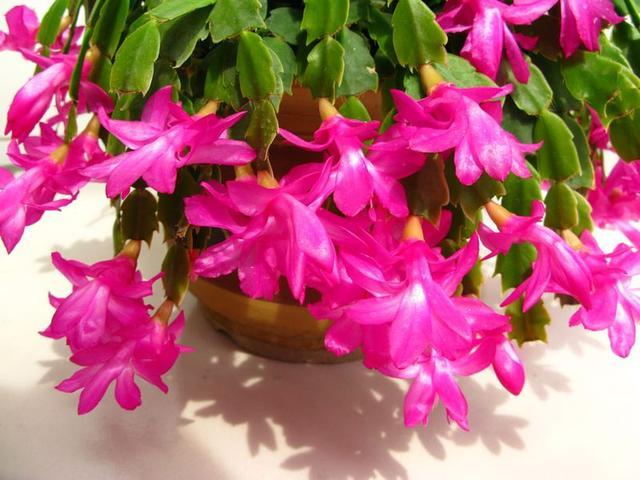
Detailed demonstration of grafting Christmas cactus (Schlumbergera). Beginners will get it right after watching, with plenty of flowers and no root rot.
I had promised readers that I would take photos of the process of grafting Christmas cactus, but I was always too busy with work and never got the chance. Today I finally found the time, so I am posting the process in order for beginners to learn from. Choose the scion, a leaf of the Christmas cactus. Choose the rootstock...
-
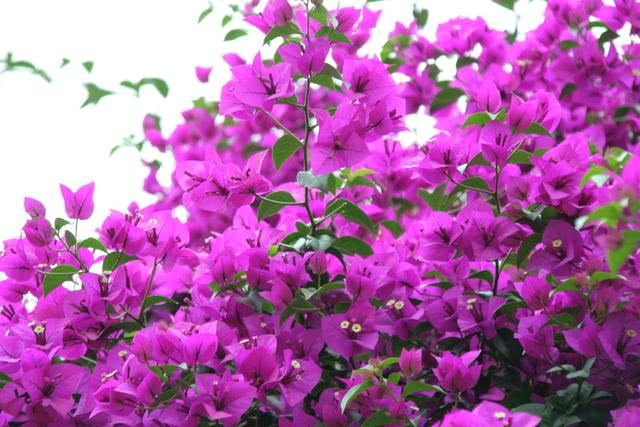
Bougainvillea cuttings experience sharing: fast rooting, lots of new leaves, early blooming and abundant flowers
Below are my personal views on bougainvillea cuttings. Please advise and discuss, and if there is anything lacking, I hope friends can add to it, so we can learn better and it can be of some help to friends who like taking cuttings. 1. No matter what kind of medium is used for cuttings, tender branches that have just stopped growing or semi-lignified branches root relatively faster than old branches;
-
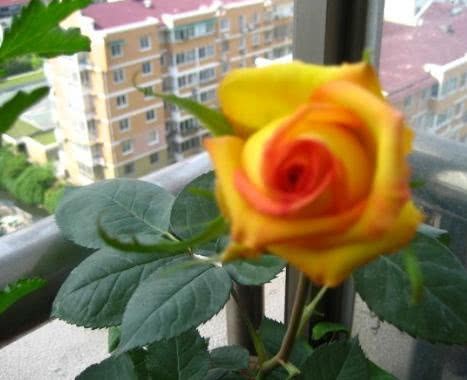
Rose cutting experience summary: fast rooting with a high survival rate, big buds sprouting in just 20 days
Roses are mainly propagated by cuttings and grafting. Generally, rose cuttings can be taken in spring or early summer, early autumn, the plum rain season, or late autumn. For spring cuttings, cut a sturdy, robust middle section of branch 15 cm long, keep 3 leaves, and insert two-thirds of it into the soil...
-
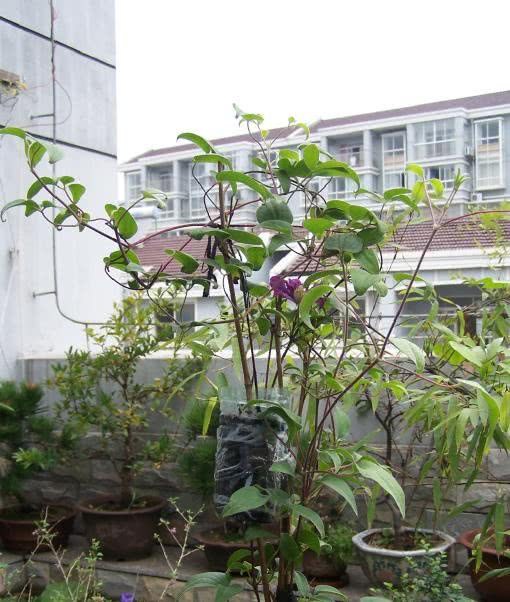
Air layering clematis with a mineral water bottle: simple and easier to root than water propagation from cuttings
On August 1 last year I air-layered a clematis 'Pink Champagne', and it actually grew quite a lot of roots in one go (37 days in total), visible right through the wall of the mineral water bottle, so I cut it off and planted it while I had the time. The new plant obtained by air layering is very sturdy, with 6 offshoots taken from the half...
-

Water orchids with three kinds of wastewater, and they will easily take root and fill the pot without buying fertilizer
Grow orchids without buying fertilizer; water them with three kinds of wastewater, and rooting and filling the pot is a matter of minutes. Many friends like to grow some flowers and plants at home or in their own small yards, and plant some tree stumps and the like. This can be pleasing to the eye and at the same time...
-
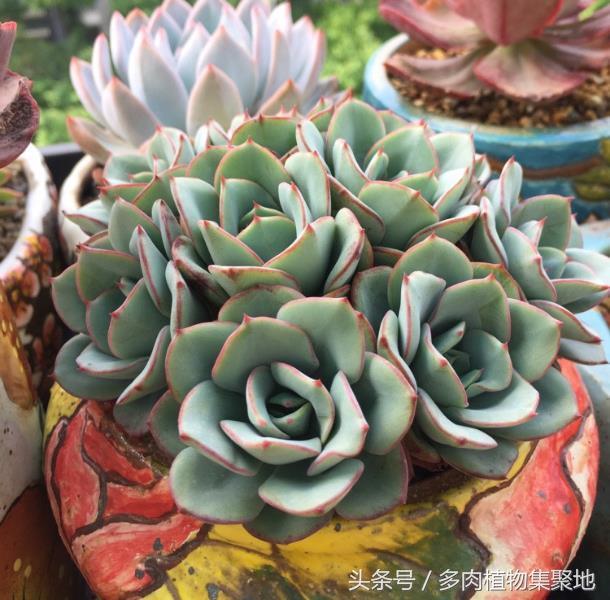
Care for succulents this way to easily replenish nutrients for strong roots and green leaves
Eggshells, various bones. Eggshells, various leftover bones: after washing off the egg liquid and grease, let them dry, then crush them into powder and put them in the soil. Some bones are hard to crush, so you can break them with a small hammer...
-
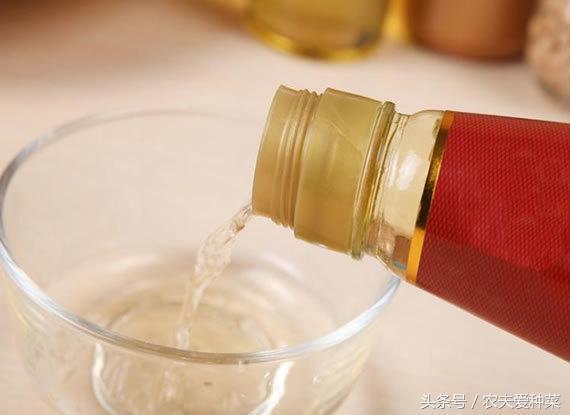
Cuttings not rooting? Soak them in 3 kinds of free rooting water and they will survive
The current weather is quite suitable for taking plant cuttings, but cuttings have a low survival rate and root slowly. Don't worry. Before taking cuttings, use these 3 kinds of free rooting water to soak the branches first, and anything you plant will survive. 1. Edible vinegar. Edible...
-
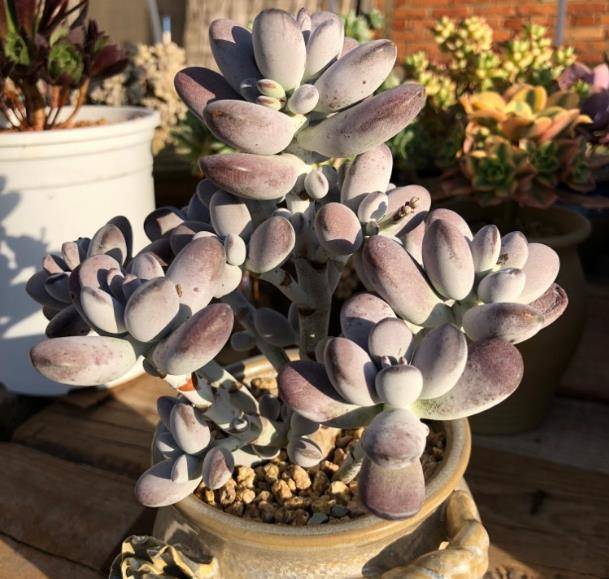
Put these granules at the bottom of a succulent pot, and new roots will grow fast without root rot
To ensure the soil has good drainage, you must put some large granules at the bottom of the pot, such as the widely used expanded clay pebbles, broken bricks and tiles, nut shells, etc. In addition, whether you are repotting or have just bought a succulent, be sure to...
条件筛选