-
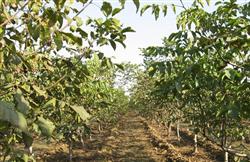
Control Methods for Sclerotial Root Rot in Walnut Seedlings
Sclerotial root rot, also called southern blight, mostly affects one-year-old seedlings, causing the cortex of the main root and lateral roots to rot, the aboveground parts to wither and die, and sometimes the entire plant to die. 1. Disease symptoms: Under high temperature and high humidity, white silky mycelium is produced at the base of the seedling root collar and on the surrounding soil and fallen leaves, after which small sclerotia grow...
-
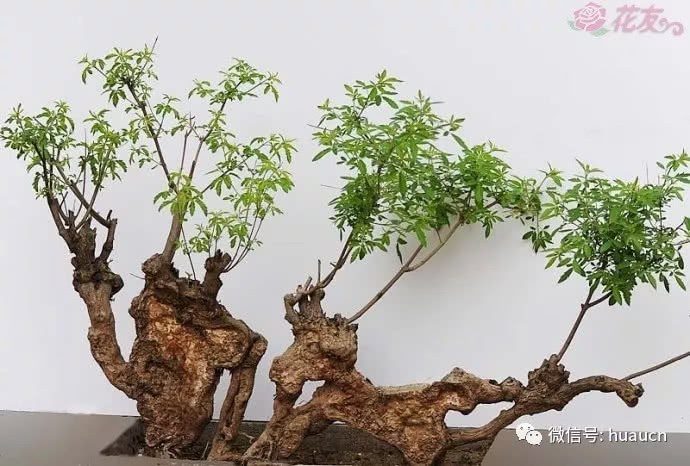
DIY Guide to Making a Vitex Twisted-Root Bonsai, with Extremely High Ornamental Value
Vitex twisted-root (Vitex negundo var. heterophylla) has characteristics such as liking sunlight but tolerating shade, liking warmth but tolerating cold, liking moisture but not tolerating waterlogging, and liking fertile soil but tolerating poor soil; it is an evergreen tree species. With its peculiar form, it can be appreciated both for its leaves and its shape, so it is an ornamental...
-
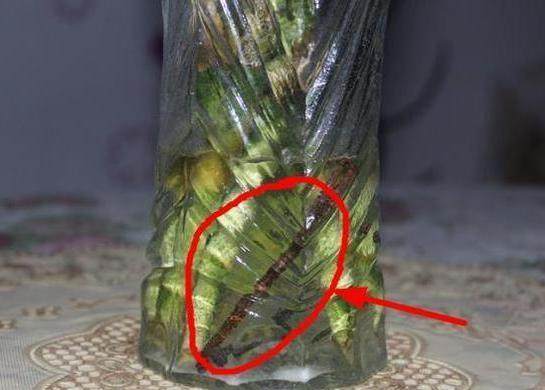
Plants for lazy people: they survive as long as they have roots, get watered once every 7 days, and fill the pot within half a month
Some flowers are too delicate in life and must be raised with pampering; but some flowers have very tenacious vitality and can survive with just water. For busy office workers, or people who love growing flowers but are rather "lazy," these flowers are more suitable. Let's take a look...
-

Root rot in clivia isn't a big problem - let me teach you how to make it grow new roots
Root rot in clivia is a very tricky problem. Many gardening enthusiasts give up and throw their clivia away as soon as they see the roots rotting. Here, a gardening enthusiast shares his method for bringing a clivia with root rot back to life. Everyone, come and learn!
-
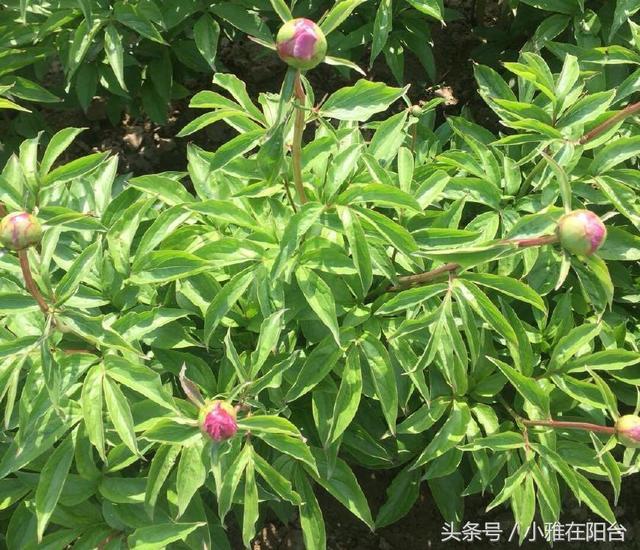
Growing peonies on the balcony: one root section or one branch is all it takes, and next year they will bloom in a gorgeous explosion of flowers.
Peony is also called the "prime minister among flowers" and is a perennial herbaceous plant, with thick, fleshy tuberous roots below ground. Peonies generally bloom in May and June, in a rich variety of colors, and the flowers somewhat resemble tree peonies. Peony flowers can be planted not only in the open air, but also...
-

How to Make a Schefflera Branch from the Roots: A Detailed Guide to Practical Methods
Potted Schefflera (umbrella tree) usually shows its ornamental value when it has lush branches and leaves and stays evergreen. But sometimes, due to neglect of care or other factors, a potted Schefflera can grow into a single-trunk form, while some growers end up with...
-
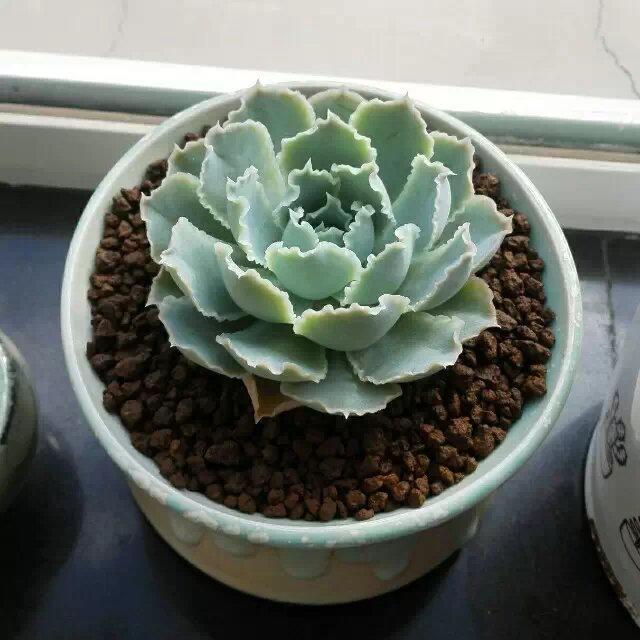
How do you grow succulents? The key is to grow a good root system
Many succulent growers run into this problem: it feels like I've been growing this succulent for a long time, but only when I repot it do I discover that its root system isn't good. The reason I ask about watering and repotting is to first use these questions to...
-
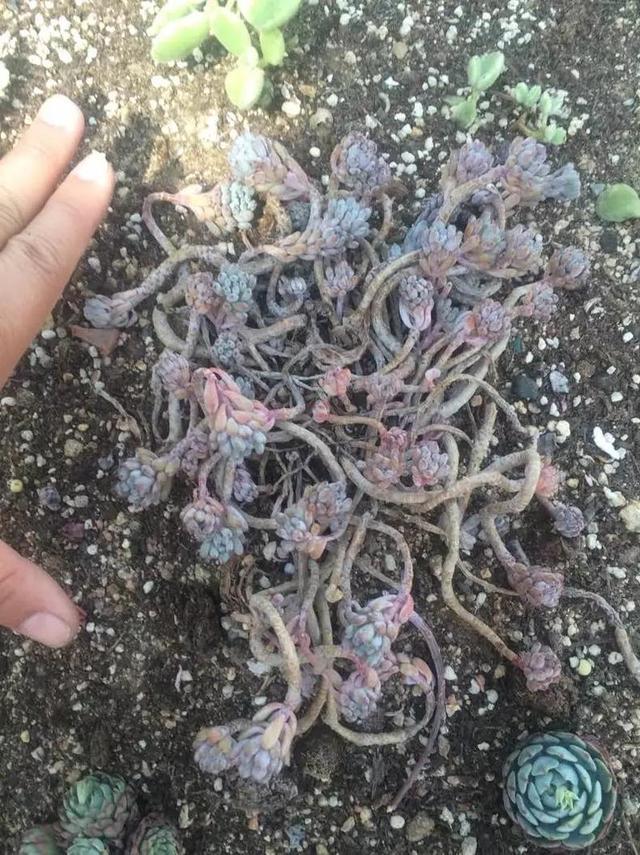
Don't Throw Away a Succulent with Root Rot - 4 Steps to Grow a Brand New Succulent
Many beginner succulent growers don't know what to do when their succulents develop root rot. It feels like a waste to throw them away, but they don't know how to deal with them either. Today I'll teach you 4 steps to get a brand new succulent. First, let's understand...
-
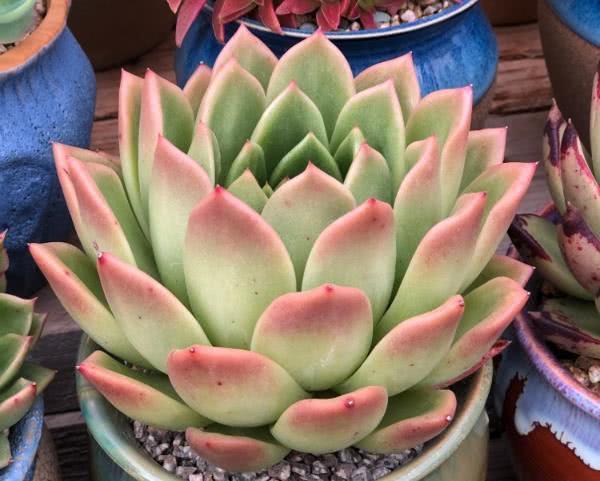
After trimming the roots of succulents, don't rush to pot them, to avoid root rot
Succulents bought online or from a greenhouse all need to be removed from the soil, have their roots trimmed, and be washed. On one hand, this prevents carrying insect eggs; on the other hand, it removes necrotic roots and prevents black rot. At the same time, trimming overly long roots can also reduce nutrient loss...
-

What to Do When Flowers Always Have Root Rot and Yellow Leaves? One Small Pill Is Enough
For most people, flowers tend to develop root rot and yellow leaves as they are being grown, but for expert gardeners, one small pill is all it takes - even flowers that are nearly dead can be brought back to life. Today, Hao Yanghu is sharing this little trick...
条件筛选