-

How to grow Clivia? 3 clever tips for strong roots, thick leaves and bright red blooms
The Home Gardening Encyclopedia: Teacher Xiao Ye teaches you all kinds of gardening knowledge! Once you grow a Clivia, the biggest fear is that it won't bloom. Recently a fellow orchid grower said their Clivia had been growing for 2 years, and it was blooming less and less, and they had no idea why. The first two years it bloomed just fine...
-
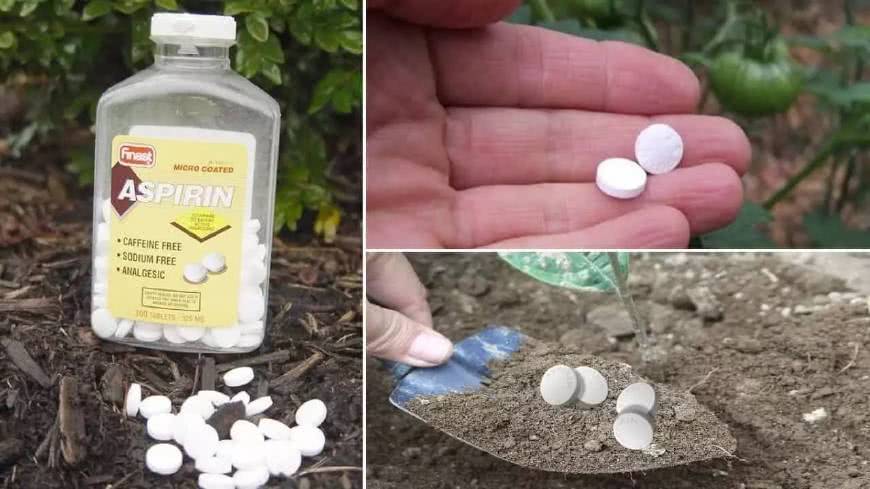
Growing flowers is inseparable from these 2 small pills, which boost rooting and lush leaves with a high survival rate
Potted flowers have already become part of everyday life. No matter what kind of plant you grow at home, it can bring some joy and also beautify your home environment. But growing flowers is also a skill, and there is a lot to learn, requiring us to gradually...
-
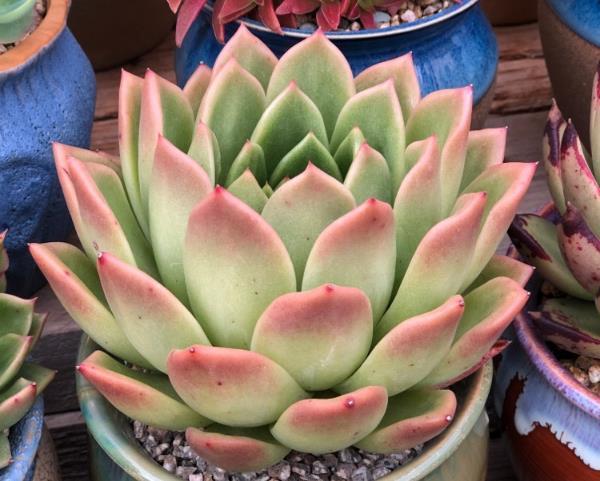
After trimming the roots of succulents, don't rush to pot them, so as to avoid root rot
Succulents bought online or from a greenhouse all need to be bare-rooted, have their roots trimmed and washed. On one hand, this prevents carrying insect eggs; on the other hand, it removes dead and necrotic roots and prevents black rot. At the same time, trimming overly long roots can also reduce nutrient loss...
-
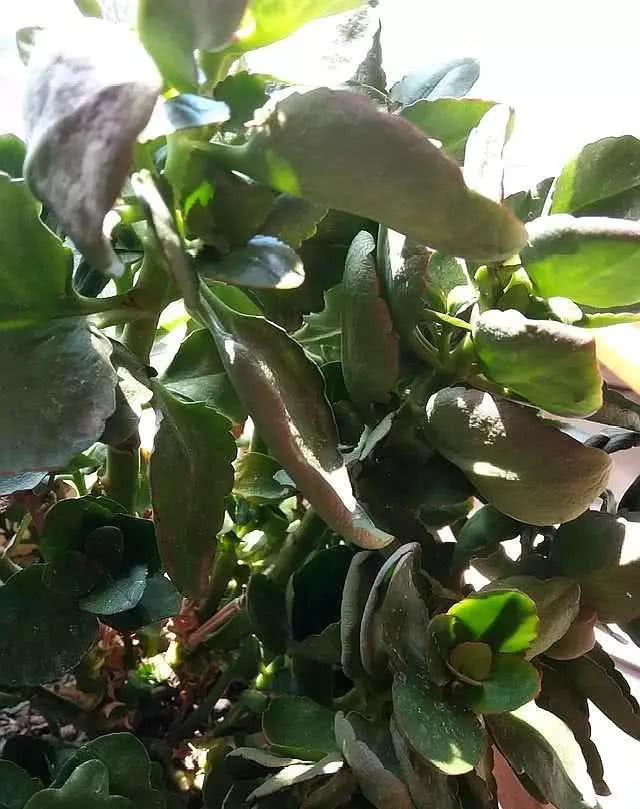
Kalanchoe leaves soft and wilted? Two tricks to get strong roots, green leaves and lots of flowers
The kalanchoe leaves have gone soft, with red edges, and there are black spots on the leaves - is there any way to fix this? From the picture, this plant of yours either has a root problem, or you haven't watered it for a long time. Those are the only two reasons. Please enter the image...
-
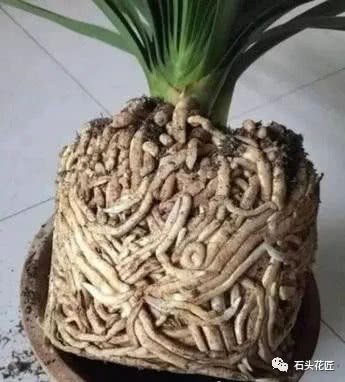
When growing flowers, put a little of this at the bottom of the pot, and the roots will grow thick and beautiful.
More and more people love growing flowers, and many people keep all kinds of green potted plants at home, especially plants like succulents, clivia (Clivia miniata), spider plant (Chlorophytum comosum), pothos (Epipremnum aureum), Christmas cactus (Schlumbergera), kalanchoe (Kalanchoe blossfeldiana) and asparagus fern (Asparagus setaceus). Many people keep one pot, or even several pots, at home...
-
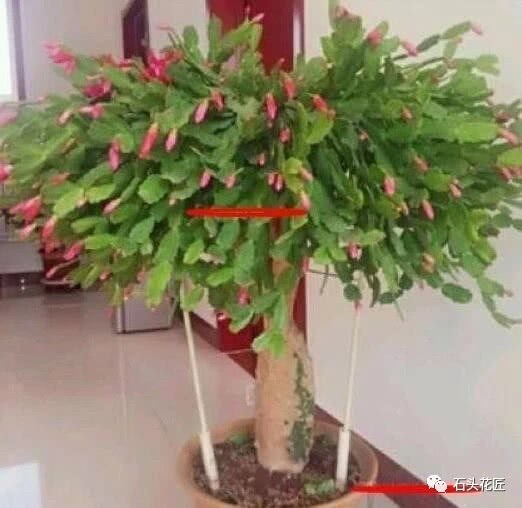
Use 4 kinds of foraged "trash" as fertilizer for growing flowers: permeable, airy, and no root rot
As people's living standards rise and living conditions improve, more and more people like to keep some flowers and plants at home; they not only beautify the home but also purify indoor air, especially for some friends who are particularly fond of growing flowers...
-
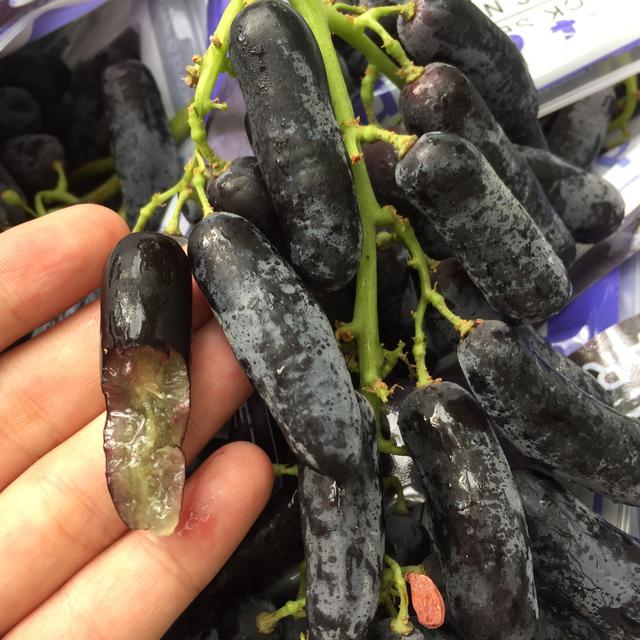
The most cold-hardy fruit tree: plant 2 at White Dew and they'll take root and grow, giving you more than you can eat next year
The "fruit tree" that fears cold the least: plant 2 at the White Dew solar term and they'll take root and grow, giving you so much fruit next year your mouth will cramp. Today I'm introducing a very unusual fruit tree: the "Blue Sapphire" grape vine. It can bear fruit for 100 days, and its nutritional value is...
-
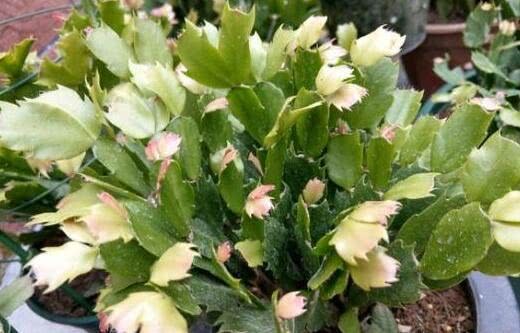
Propagating Christmas cactus by cuttings in autumn: use this and it grows big white roots in ten days without rotting
When it comes to the Christmas cactus, I believe gardening friends are all familiar with it. It has thick, fleshy leaves and belongs to the cactus family, but it is not a true cactus. Its flowers are bright in color and bloom at the tips of the leaves. Its normal flowering season is in winter...
-
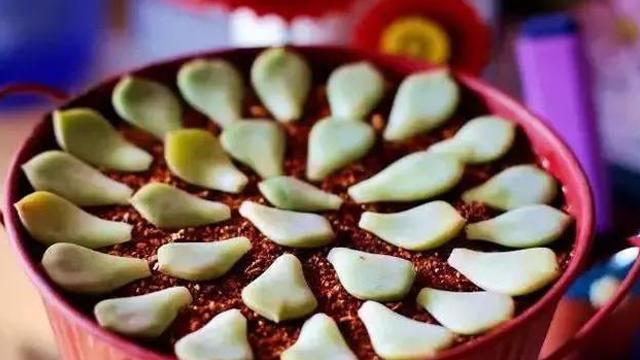
Do succulent leaf cuttings now: a trick to make them root fast without rot
When propagating succulents from leaf cuttings, it is best to choose spring or autumn, and to select healthy, plump leaves. Simply place the succulent leaf with its back facing down on the soil. Keep it in a well-ventilated environment, and in about 1 to 2 weeks you will...
-
The correct way to water flowers with beer water and rice-washing water, to prevent root rot
Keeping flowers at home is very common, but not many people can grow them well. Whether flowers can grow well depends most on fertilizing. The nutrient soil in pots has very few components and cannot provide nutrients to flowers over the long term. Many friends use beer or...
条件筛选