When repotting flowers, avoid 3 wrong practices, otherwise the flowers will rot at the roots and yellow leaves quickly
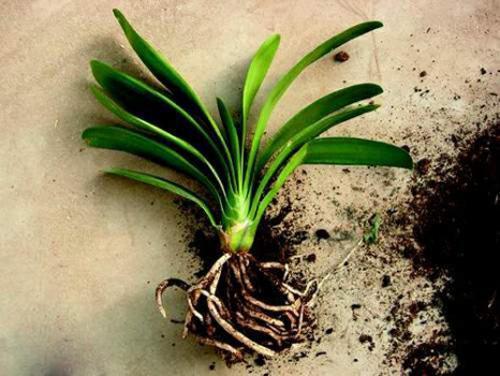
Some flowering plants have roots that grow very fast, and within a few months they need to be repotted, otherwise the breathing and growth of the roots will be affected. When it comes to repotting and changing soil, this is actually a field of knowledge, and the finer points involved are no fewer than those of growing flowers. Some flower lovers repot once, and the plant starts to rot at the roots and turn yellow at the leaves. To put it plainly, it is still because the details of repotting were not paid attention to.
Ignoring the details of repotting means the potted flowers will not grow well. Next, Potted Plant Station shares with everyone the issues that should be paid attention to when repotting and changing soil for flowers. These "3" wrong practices must be avoided.
1. The timing of repotting must be well controlled; try not to repot in summer and winter
Many potted flowers are in a dormant state in summer and winter. Even leaving aside whether they are dormant, the air temperature in these two seasons differs too much from the suitable temperature for flower growth. Summer is hot and winter is cold, and at these times it is not conducive to the healing and rapid division and growth of plant roots after repotting. Previously, flower lovers asked me more than once when exactly is the right time to repot. To put it this way, in spring and autumn, you can choose freely, either is fine. If you must repot in summer, then do it in the morning or evening, and after repotting place it in a cool place for one or two days first.
2. When repotting, pay attention to checking the roots; rotten roots must be cut off
Plants such as clivia, spider plant, and pothos have relatively developed roots. When they grow too vigorously, it is hard to avoid one or two spots of root rot. If you do not notice this when repotting, or see it and are too lazy to cut it off, then after changing to a new pot and new soil, the root rot will continue. This is not good for the growth of the flowers, and in serious cases it will cause rapid yellowing of leaves and fallen flowers.
3. If you find small insects on the roots or that they are rotting, remember to disinfect with potassium permanganate before transplanting
Flower lovers who often grow flowers may know that potassium permanganate is a strong oxidant and has a very strong sterilizing and disinfecting effect. When repotting, if you find small insects on the plant roots, or some roots are rotting, at this time you must remember to first wash the plant roots. After washing, soak the roots in potassium permanganate solution for half an hour. This can play a role in sterilizing and protecting the roots. It promotes the roots to heal and grow quickly in the new pot soil.
That is all for sharing the knowledge about repotting flowers. In the future, be sure to avoid these three misunderstandings when repotting. Thank you for reading!
Remember to like and share~