-
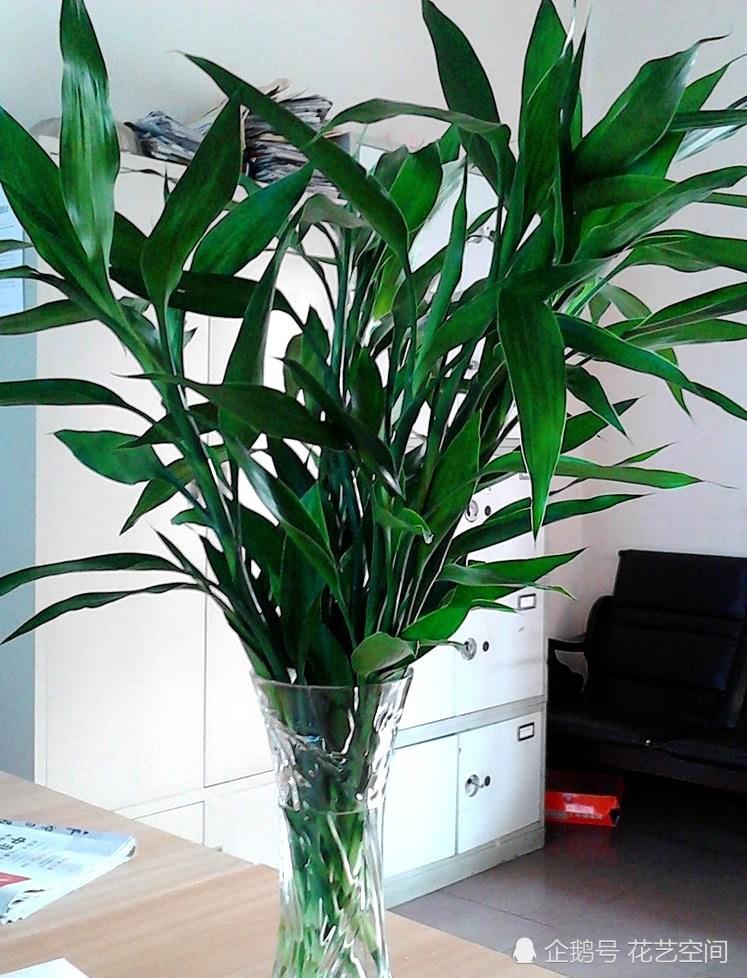
Hydroponic lucky bamboo roots slowly and easily gets black stems? Drop in one small pill and white roots fill the bottle
Lucky bamboo (Dracaena sanderiana) is a flower plant that many people love, evergreen all year round, with emerald green leaves and a beautiful plant shape, and it also carries the meaning of bringing good luck and wealth, making it very popular and highly effective at decorating the home. Although lucky bamboo is extremely...
-
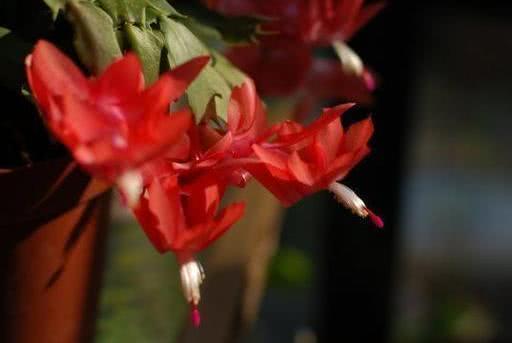
What should you do if a potted Christmas cactus keeps getting root rot? Watering technique is key
The potted Christmas cactus, also known as crab claw orchid, fairy finger flower and so on, is a flower that is very easy to keep alive. Cut off a branch casually and bury it in soil, and it will take root and sprout. Graft it onto a rootstock, and it can grow new tender shoots, gradually filling the flower pot, and some even...
-
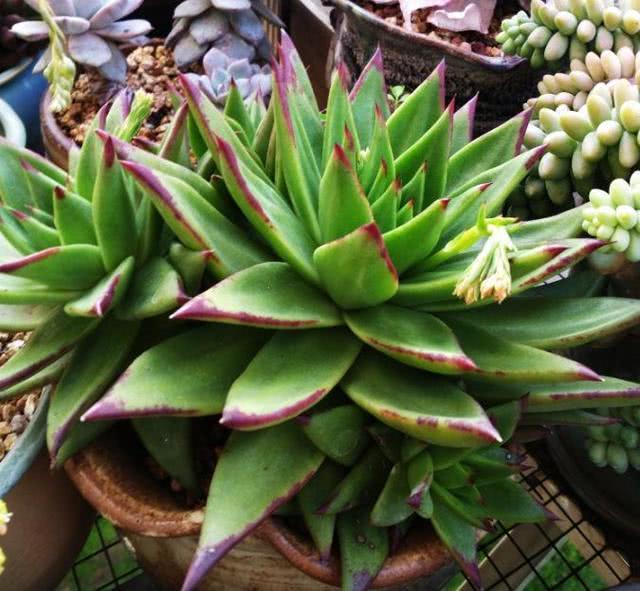
For beginners raising succulents for the first time, what should they pay attention to in summer so the plants do not rot at the roots or develop black rot?
A flower enthusiast said that they had always especially liked green plants, but were afraid that without experience they would not raise them well and would ruin such good succulents. Today they finally mustered the courage to buy a pot of Sempervivum tectorum, thinking they would try it first, but after bringing it home, they were already stumped just by repotting it...
-

What causes root rot in hydroponic plants? How to deal with it after root rot
Anyone who loves growing green plants knows that most hydroponic plants are "lazy person" plants, generally easier to grow than soil-grown plants. But if you neglect them too much or handle them improperly, root rot can also occur. If you see that the plant's roots have turned yellow or black, or the water smells bad, it is basically root rot.
-

Isatis root planting methods and cultivation techniques explained in detail
How is Isatis root cultivated? Please provide the process. For the method of cultivating the medicinal herb Isatis root, you can refer to the following methods: Selection of Isatis root cultivation site: Isatis root is not suitable for planting in low-temperature waterlogged land, as it is prone to root rot after waterlogging. In order to reduce the occurrence of pests and diseases, it is advisable to ridge-cultivate with gramineous and leguminous plants. If the soil is fertile,...
-

How should fertilizer be applied sensibly when growing lotus root?
How should fertilizer be applied sensibly when growing lotus root? How much fertilizer does lotus root generally need? We also ask experienced gardeners to share how the nutrients lotus root needs during growth and development come partly from photosynthesis in the lotus leaves and partly from the soil, while the soil's original fertilizer is limited (including base fertilizer) and will...
-

Methods and Key Technical Points for Growing Lotus Root in Dryland
How do you grow lotus root in dryland? If you have never tried growing lotus root in dryland, how should you grow it? Dryland lotus root cultivation is an emerging high-efficiency growing technique that frees lotus root cultivation from dependence on water, enabling aquatic lotus to be grown on dryland, and the suitable growing areas are constantly expanding. Because dryland lotus root growing can be done on either a large or small area, with simple management, low input, ...
-
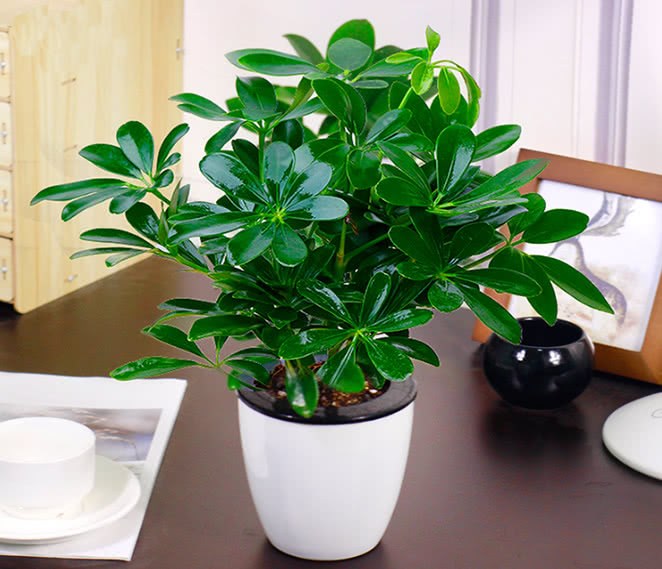
A plant that is easier to grow than pothos, it grows better with less watering, and cuttings root as soon as they touch water
Schefflera arboricola (umbrella tree) is an evergreen plant that is very easy to grow. It can grow normally in environments with weak sunlight, adapts to all kinds of conditions, and is both drought-tolerant and tolerant of waterlogged soil. It is fine to water it once every ten days to half a month. It really is easier to grow than pothos....
-

How to prevent and treat root rot in orchid cultivation? Sharing practical methods
How to prevent and treat root rot in orchid cultivation? Please explain the causes and methods. Main causes of orchid root rot: first, improper watering, too much rain, or an unreasonable potting soil structure with poor drainage, and sometimes pathogen invasion can also cause root rot. Root rot causes orchid leaves to turn yellow, shrivel, and drop, and sometimes even the pseudobulb (base of the stem) rots away,...
-

Lotus root cultivation techniques video and image collection
Lotus root belongs to the water lily family. Lotus root is slightly sweet and crisp, and can be eaten raw or cooked; it is one of the common table vegetables. Lotus root is also a plant with considerable medicinal value; its roots, leaves, flowers, stamens and fruits are all treasures, and all can be used as nourishing medicine. Made into powder, lotus root can aid digestion and stop diarrhea, stimulate the appetite and clear heat, nourish and calm the constitution, and prevent internal bleeding; it is a...
条件筛选